Digital Marketing Essentials
Introduction to Digital Marketing
What Is Digital Marketing?
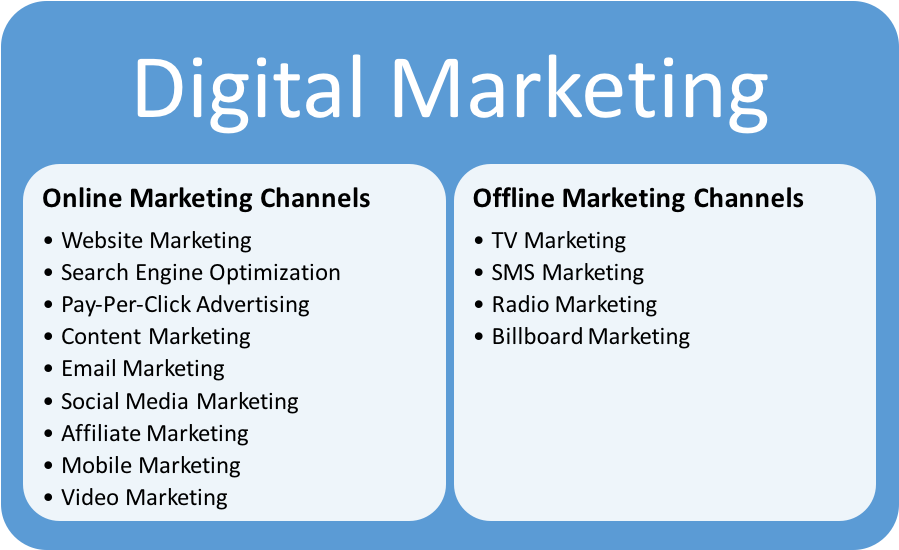
Digital marketing is any marketing that uses electronic devices and the internet. It's the way businesses use digital channels like search engines, social media, email, and their websites to connect with current and prospective customers.
Think of it this way: if your marketing effort lives online or on a device, it's digital marketing.
This can range from a simple Instagram post to a complex, data-driven advertising campaign. The core idea is to meet people where they spend a significant amount of their time: online. The scope is vast, covering everything from your brand's website to its online branding, digital advertising, email marketing, and beyond.
Digital vs. Traditional Marketing
Traditional marketing is what we think of as old-school advertising: television commercials, radio ads, billboards, and print ads in magazines or newspapers. It's generally a one-way street. A company broadcasts a message, hoping it reaches the right people.
Digital marketing, on the other hand, is a two-way conversation. It’s interactive. Customers can engage with ads, share content, leave reviews, and talk directly to brands. This interaction provides businesses with valuable feedback and data.
One of the biggest differences is measurement. With a billboard, it’s difficult to know exactly how many people saw it and then decided to buy your product. With a digital ad, you can track clicks, views, and sales with incredible precision. This allows for constant refinement and a much better return on investment.
| Feature | Traditional Marketing | Digital Marketing |
|---|---|---|
| Communication | One-way (broadcast) | Two-way (interactive) |
| Targeting | Broad, general audience | Specific, targeted demographics |
| Measurement | Difficult to measure ROI | Highly measurable, precise data |
| Pacing | Long-term campaigns | Real-time, agile adjustments |
The Omnichannel Approach
People don't live on a single channel. You might see an ad on Instagram while on your phone, search for it later on your laptop, and receive an email about a sale the next day. Each of these interactions is a "touchpoint."
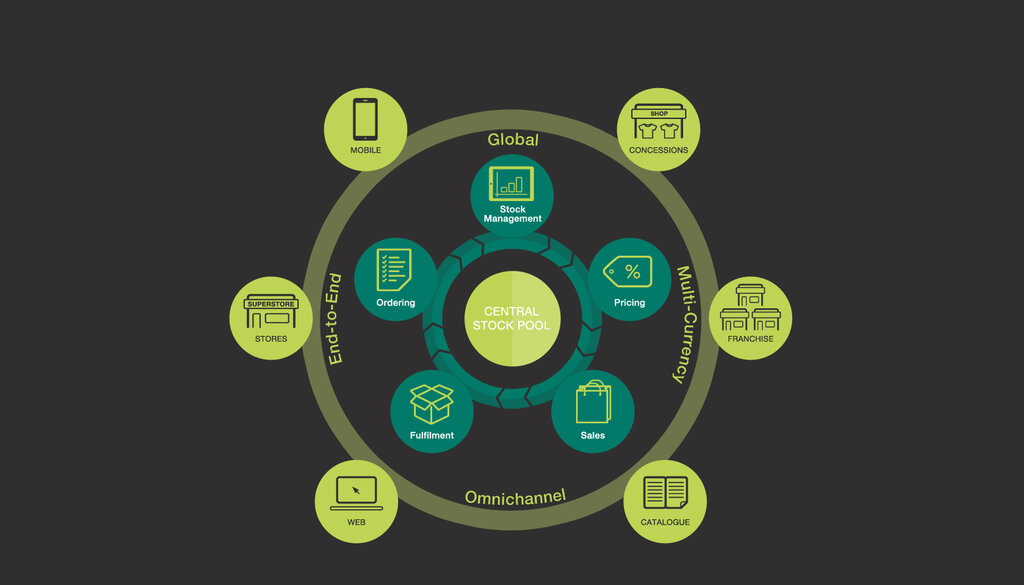
An omnichannel approach recognizes this reality. It focuses on creating a seamless and consistent customer experience across all channels and devices. The goal is to make the journey feel like one continuous conversation, no matter how the customer interacts with your brand.
Instead of thinking about a mobile experience versus a desktop experience, an omnichannel approach sees it all as one customer experience.
This means your messaging, branding, and support should be consistent whether a customer is in your physical store, on your website, or interacting with your social media profile. It puts the customer, not the channel, at the center of the strategy.
Guiding the Buyer's Journey
The buyer's journey is the process a person goes through when they purchase something. It’s not a straight line from A to B. Digital marketing plays a crucial role in guiding potential customers through each stage.
There are three classic stages:
-
Awareness: The person has a problem but doesn't have a name for it yet. They aren't looking for your product specifically. Digital marketing makes them aware of both the problem and your solution. A helpful blog post or an informative video might be their first contact with your brand.
-
Consideration: Now, the person has clearly defined their problem and is researching options to solve it. They are comparing different products, reading reviews, and looking for the best solution. Digital marketing provides them with detailed information, like case studies, product comparisons, and expert guides.
-
Decision: The person is ready to buy. They've narrowed down their options and are looking for the final piece of information to make a choice. At this stage, digital marketing can offer a free trial, a customer testimonial, or a discount to seal the deal.
By understanding this journey, businesses can create targeted content and messages that are relevant to a customer's specific stage, making the marketing feel less like an advertisement and more like a helpful guide.
What is a primary advantage of digital marketing over traditional marketing methods like billboards or print ads?
A potential customer has identified a problem and is now actively researching and comparing different products to find the best solution. Which stage of the buyer's journey are they in?