Digital Marketing Essentials
Digital Marketing Basics
What Is Digital Marketing?
Digital marketing is any marketing effort that uses an electronic device or the internet. Businesses leverage digital channels such as search engines, social media, email, and their websites to connect with current and prospective customers.
If you're using the internet to promote a product or service, you're doing digital marketing.
Think about the last time you wanted to buy something. Did you see an ad on TV, or did you search for it online? For most of us, the internet is the first place we go. That shift in behavior is why digital marketing is so important. It’s about meeting your audience where they already spend their time.
The Main Channels
Digital marketing isn't just one thing. It's a collection of different online tactics, often called channels. Each channel has a unique role, but they work best when used together. Here’s a quick look at some of the most common ones.
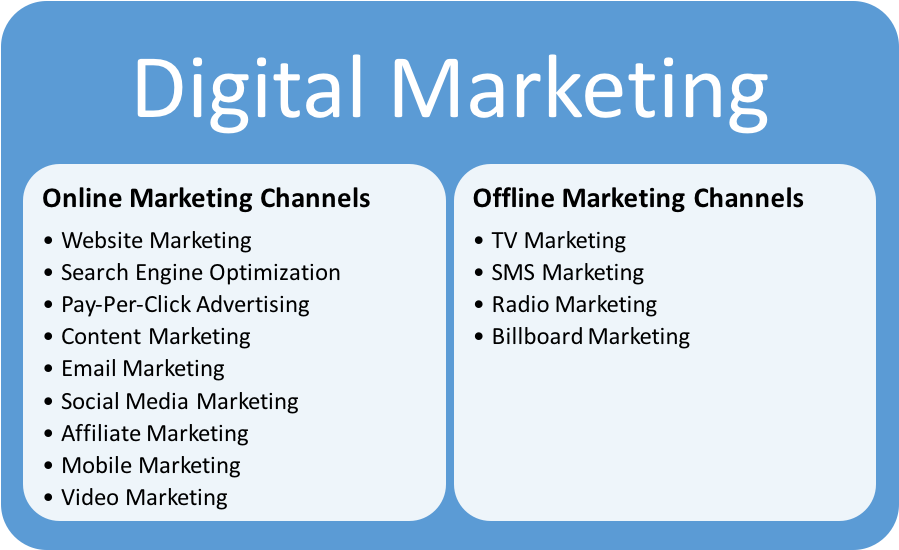
While there are many channels, a few form the core of most digital marketing strategies.
| Channel | What It Is | Primary Goal |
|---|---|---|
| Search Engine Optimization (SEO) | Improving your website to rank higher in search results. | Attract organic (free) traffic. |
| Content Marketing | Creating and sharing valuable content like blog posts or videos. | Build trust and authority. |
| Social Media Marketing | Using platforms like Instagram, Facebook, or LinkedIn to connect with your audience. | Build a community and drive engagement. |
| Email Marketing | Sending targeted messages directly to a list of subscribers. | Nurture leads and retain customers. |
| Pay-Per-Click (PPC) Advertising | Paying for ads to appear in search results or on other websites. | Drive targeted traffic quickly. |
The Buyer's Journey
Effective marketing isn't about shouting at everyone. It's about delivering the right message at the right time. To do that, you need to understand the buyer's journey, which is the process people go through before making a purchase.
This journey is often visualized as a funnel and has three main stages.
1. Awareness Stage: At this point, a person has a problem or a need but might not have a name for it yet. They're just starting to look for information.
- Goal: Get discovered. You want your brand to show up as a helpful resource. Content marketing and SEO are key here.
2. Consideration Stage: The person has now clearly defined their problem and is researching different solutions. They're comparing products, services, and companies.
- Goal: Show why you're the best choice. This is where you can provide detailed guides, case studies, or webinars to help them evaluate their options.
3. Decision Stage: The person is ready to buy. They've narrowed down their options and are looking for the final piece of information to make a choice.
- Goal: Make the sale. A free trial, a discount, or a strong customer review can be the nudge they need. PPC ads and email marketing are very effective at this stage.
Creating a Strategy
A digital marketing strategy is your roadmap. It connects your business goals to your marketing actions. Without a strategy, you're just creating content and running ads without a clear purpose. A simple strategy answers four key questions:
Present a comprehensive digital marketing strategy that outlines the steps you'll take to achieve their goals.
1. Who are we trying to reach? Get specific about your target audience. Who are they? What do they care about? Where do they spend their time online? Creating a buyer persona—a semi-fictional character representing your ideal customer—is a great way to do this.
2. What are our goals? What do you want to achieve? Be specific. Instead of "get more customers," aim for "increase online sales by 15% in the next quarter." Clear goals let you measure what's working.
3. How will we reach them? This is where you choose your channels. Based on your audience and goals, decide which mix of SEO, content, social media, and paid ads makes the most sense. You don't need to be everywhere. Focus on the channels where your audience is most active.
4. How will we measure success? For each goal, identify the key performance indicators (KPIs) you'll track. For a goal of increasing website traffic, your KPI would be the number of unique visitors. For lead generation, it might be the number of form submissions. Tracking these numbers tells you if your strategy is on the right track.
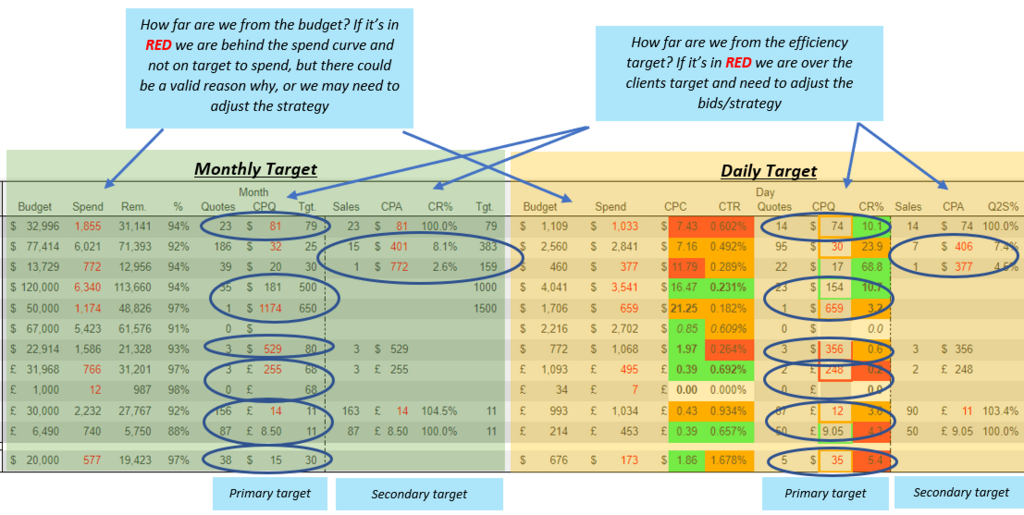
Time to check what you've learned.
What is the primary reason digital marketing is crucial for modern businesses?
A person realizes they have a persistent headache and starts searching online for "causes of frequent headaches." Which stage of the buyer's journey are they in?
This foundation sets you up to explore each part of digital marketing in more detail. By understanding the core channels, the customer's journey, and how to build a strategy, you can create marketing that connects with people and grows a business.