Digital Marketing Essentials
Introduction to Digital Marketing
What Is Digital Marketing?
Digital marketing is any marketing effort that uses an electronic device or the internet. Businesses leverage digital channels such as search engines, social media, email, and their websites to connect with current and prospective customers.
Think about the last time you bought something. Did you see an ad on Instagram? Did you search for reviews on Google? Maybe you got a promotional email from a brand you like. If so, you've experienced digital marketing firsthand. It's how modern companies reach people where they spend a significant amount of their time: online.
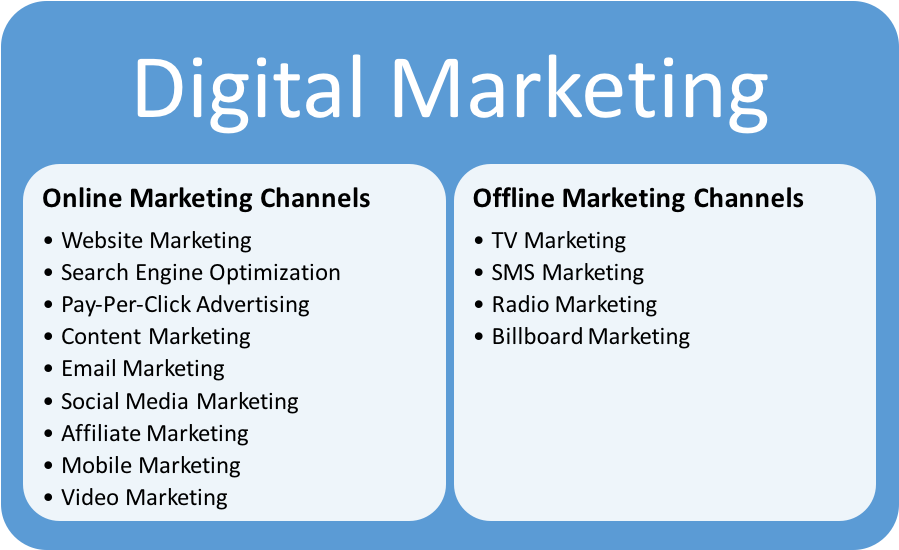
Unlike traditional marketing (like billboards or print ads), digital marketing allows for incredible precision. You can show specific ads to people based on their interests, age, or location. You can also track results in real-time to see what’s working and what isn’t, making it easier to adjust your strategy and spend your budget wisely.
The Main Channels
Digital marketing isn't just one thing. It's a collection of different tactics and channels, each with its own strengths. Most businesses use a mix of these to create a well-rounded strategy.
The goal is to meet your customers on the platforms they already use and provide them with value, whether that's helpful information, an entertaining video, or a solution to their problem.
Here are some of the most common channels:
| Channel | What It Is | Primary Goal |
|---|---|---|
| Search Engine Optimization (SEO) | Improving your website to rank higher in search engine results. | Increase organic (free) traffic. |
| Content Marketing | Creating and sharing valuable content like blog posts, videos, or ebooks. | Attract and retain an audience. |
| Social Media Marketing | Using platforms like Facebook, Instagram, and LinkedIn to promote a brand. | Build community and drive engagement. |
| Email Marketing | Sending promotional messages or newsletters to a list of subscribers. | Nurture leads and retain customers. |
| Paid Advertising (PPC) | Paying for ads to appear on search engines or social media. | Drive targeted, immediate traffic. |
Putting It All Together
These channels rarely work in isolation. A strong digital marketing strategy integrates them into a single, unified effort. For example, you might create a blog post (content marketing), promote it on social media (social media marketing), and use paid ads to drive even more traffic to it.
This integrated approach leads to what's known as an omnichannel experience. The idea is to create a seamless and consistent experience for the customer, no matter how they interact with your brand—whether it's on their laptop, their phone, in a physical store, or through a customer service call.
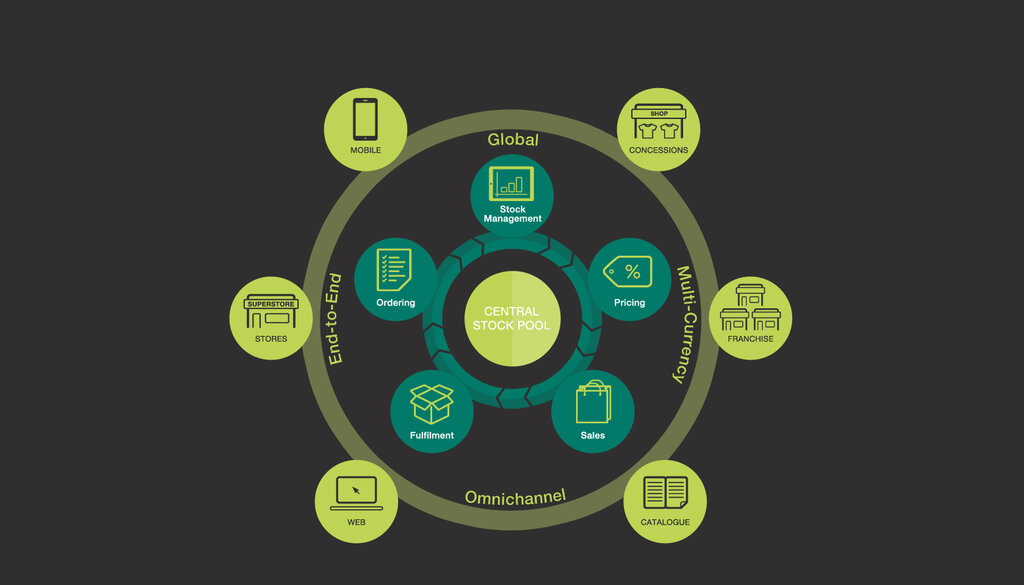
Imagine a customer sees your ad on Instagram, clicks to your website on their phone, adds an item to their cart but doesn't buy it. Later, they get an email on their laptop reminding them about the item. The next day, they visit your physical store to see the product in person before finally making the purchase. Each step felt connected and natural. That's the power of an omnichannel strategy.
Following the Buyer's Journey
Effective marketing meets customers where they are in their decision-making process, often called the buyer's journey. This journey typically has three stages:
- Awareness: The person has a problem but doesn't have a name for it yet. They're looking for information.
- Consideration: They've defined their problem and are now researching different solutions.
- Decision: They've narrowed down their options and are ready to choose a product or service.
Different marketing channels are better suited for different stages. You wouldn't try to sell a complex product to someone who doesn't even know they have a problem. Instead, you'd offer them a helpful blog post or a video.
By aligning your marketing efforts with the buyer's journey, you provide the right information at the right time. This builds trust and gently guides potential customers toward making a purchase.
Ready to check your understanding?
What is a primary advantage of digital marketing compared to traditional marketing methods like print ads or billboards?
An omnichannel strategy aims to create a seamless and consistent customer experience across all touchpoints.
Understanding these core ideas is the first step. Digital marketing is a vast field, but it's all built on the simple foundation of connecting with people in the digital world to help them solve their problems.