Digital Marketing Essentials
Digital Marketing Basics
What Is Digital Marketing?
Digital marketing is any marketing that uses electronic devices and the internet. Businesses use digital channels like search engines, social media, email, and their websites to connect with current and potential customers.
Think of it this way: If traditional marketing is like putting up a billboard on a highway, digital marketing is like setting up a shop in the world's busiest city square, where you can talk to everyone who walks by.
The big deal about digital marketing is its reach and precision. Unlike a TV ad that goes out to everyone, digital efforts can be targeted to specific groups of people who are most likely to be interested in what you offer. It allows businesses of all sizes to compete, build relationships with customers, and see exactly what's working and what's not.
The Main Channels
Digital marketing isn't just one thing. It's a collection of different tools and platforms, often called channels. Each channel offers a unique way to reach people.
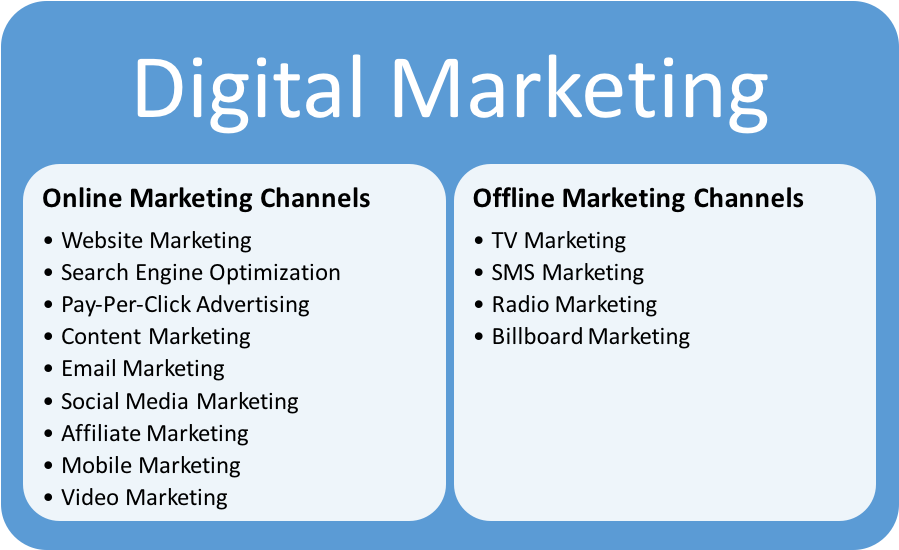
Here are some of the most common channels:
- Search Engines: When you have a question, you probably "Google it." Search Engine Optimization (SEO) helps your business show up in search results without paying for ads, while Search Engine Marketing (SEM) involves paying for ads to appear at the top of the results page.
- Social Media: Platforms like Instagram, Facebook, TikTok, and LinkedIn are more than just places to share photos. They're powerful tools for building a community, engaging with customers, and running targeted ads.
- Email Marketing: This is a direct line to people who have already shown interest in your business by subscribing. It's perfect for sending newsletters, promotions, and personalized messages to build loyalty.
- Websites: Your website is your digital home base. It's often the final destination where all other channels lead. A good website clearly explains what you do, who you are, and what you offer.
The Buyer's Journey
Effective marketing meets customers where they are in their decision-making process, often called the buyer's journey. This journey has three main stages.
-
Attract: At this stage, a person has a problem but might not have a name for it. Your goal is to get their attention. You could do this with a helpful blog post that appears in their search results or an interesting social media post that addresses their pain points.
-
Engage: Now the person is actively looking for solutions. They are comparing options. Your goal is to show them why you're the best choice. This could involve offering a detailed guide on your website, sending useful information via email, or sharing customer success stories.
-
Delight: The person has become a customer. The journey isn't over! The goal now is to provide such a great experience that they become a loyal fan who recommends you to others. This might involve helpful customer support, exclusive content, or loyalty programs.
Putting It All Together
The magic happens when all these channels work together in a cohesive strategy. They shouldn't operate in isolation. Instead, they should guide people smoothly through the buyer's journey.
For example, a person might first discover your brand through a paid ad on a search engine (Attract). They click through to your website and sign up for your newsletter. You then send them helpful emails that build trust (Engage). Finally, after they make a purchase, they follow you on social media and share their positive experience with their friends (Delight).
Each channel plays a role, creating a seamless experience for the customer. Understanding these fundamentals is the first step toward building a digital marketing plan that helps a business grow.
Ready to test your knowledge? Let's see what you've learned.
What is a key advantage of digital marketing compared to traditional marketing methods like TV ads?
A company pays to have its ads appear at the top of search engine results. This practice is known as ________.
Understanding these basic concepts is the foundation for creating any successful online marketing effort.