Digital Marketing Essentials
Introduction to Digital Marketing
What Is Digital Marketing?
At its core, digital marketing is simply marketing that uses electronic devices and the internet. It's the way businesses promote goods, services, and brands through online channels like search engines, social media, email, and websites.
Digital marketing is the process of promoting products, services, and personal brands using the internet and digital technologies.
Think about the last time you saw an ad. Was it on a billboard or in a magazine? Or was it a sponsored post in your social media feed, a video before a YouTube clip, or an email from a brand you like? The latter examples are all forms of digital marketing.
Marketing has always been about connecting with your audience in the right place and at the right time. In the past, that meant print ads, television commercials, and direct mail. Today, it means meeting them where they spend a huge amount of their time: online.
Digital vs. Traditional Marketing
While both traditional and digital marketing aim to attract customers, their methods and results are very different. Traditional marketing is a one-way street. A company sends a message out via TV or a magazine, but there's no easy way for the audience to respond.
Digital marketing, on the other hand, is a two-way conversation. It’s interactive, allowing businesses to engage directly with their audience and build relationships. This creates a more dynamic and measurable way to reach people.
| Feature | Traditional Marketing | Digital Marketing |
|---|---|---|
| Reach | Often limited to a specific geographic area (e.g., local newspaper). | Can be global, reaching anyone with an internet connection. |
| Targeting | Broad and general (e.g., all viewers of a TV show). | Highly specific, targeting based on interests, demographics, and behavior. |
| Interaction | One-way communication. | Two-way, real-time engagement and feedback. |
| Measurement | Difficult to track direct results. | Highly measurable with clear data on clicks, views, and conversions. |
| Cost | Can be very expensive with high upfront costs (e.g., a TV ad). | More cost-effective and scalable, with options for any budget. |
The importance of digital marketing in today's world can't be overstated. Businesses of all sizes can compete on a larger stage, connect with customers more personally, and make data-driven decisions to improve their strategies. It has leveled the playing field, allowing smaller brands to reach audiences that were once only accessible to large corporations.
Key Components of Digital Marketing
Digital marketing isn't just one thing; it's an umbrella term for many different strategies. While we'll explore these in more detail later, let's get familiar with a few of the most important components.
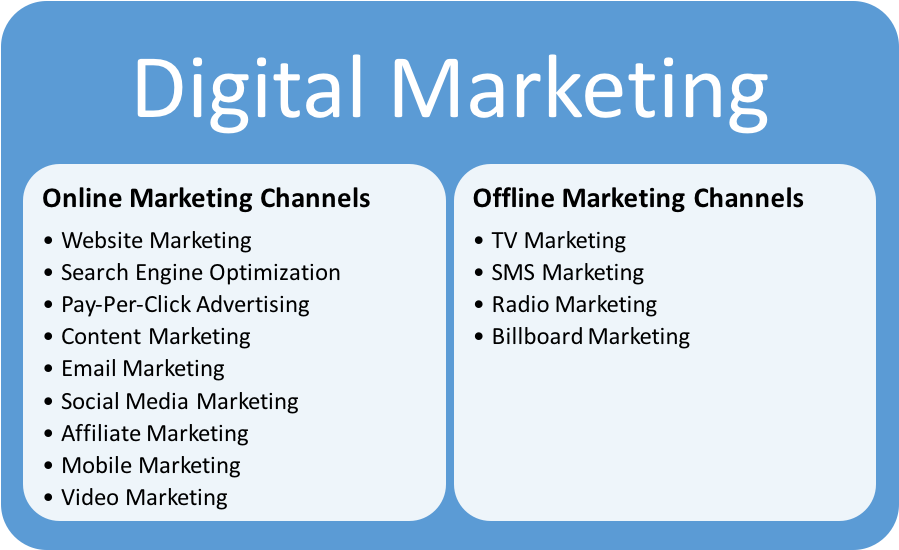
Content Marketing This is all about creating and sharing valuable, relevant, and consistent content to attract and retain a clearly defined audience. Instead of directly selling a product, you're providing useful information that builds trust. Think blog posts, videos, podcasts, and infographics. The goal is to become a credible source of information, so when customers are ready to buy, they think of your brand first.
Social Media Marketing This involves using social media platforms like Instagram, Facebook, X (formerly Twitter), and LinkedIn to promote a product or service. It’s more than just posting updates. It's about engaging with your audience, building a community, listening to feedback, and driving traffic to your website. Each platform has its own strengths and audience, so strategy is key.
Email Marketing Email is one of the most direct and effective ways of connecting with your leads, nurturing them, and turning them into customers. It's a way to keep your audience updated with company news, discounts, and new products. A well-crafted email can feel personal and build loyalty over time, making it a powerful tool for retention.
These components rarely work in isolation. A great piece of content can be promoted on social media and shared through an email newsletter, creating a unified and effective marketing campaign.
Now, let's check your understanding of these foundational concepts.
What is the primary characteristic that distinguishes digital marketing from traditional marketing?
A company starts a blog that offers free advice on home gardening to attract potential customers for its gardening tools. What type of digital marketing strategy is this?
Understanding these core ideas is the first step. From here, we can begin to explore how each component works in detail to create a complete and effective digital marketing strategy.