Digital Marketing Essentials
Introduction to Digital Marketing
What Is Digital Marketing?
Digital marketing is any marketing effort that uses an electronic device or the internet. It's how businesses connect with potential customers on platforms like Google, social media, and email. Think about how you discover new products or services. Chances are, you saw an ad on Instagram, searched for reviews online, or got a promotional email.
Unlike traditional marketing (like billboards or print ads), digital marketing allows for direct interaction and feedback. It's a two-way conversation. This connection is crucial because it allows businesses to understand their audience better and tailor their message, making it more relevant and effective. In a world where most people spend hours a day online, being present in the digital space isn't just an option—it's essential.
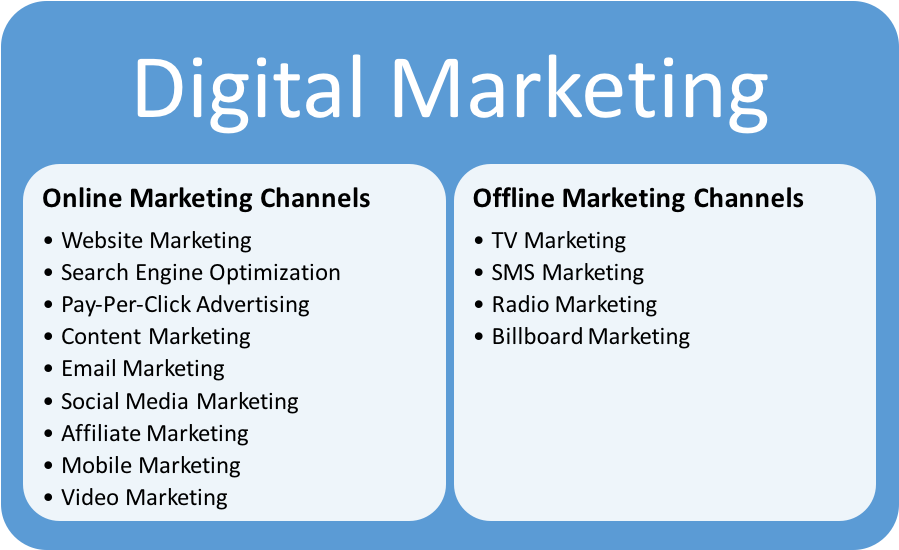
The Main Channels
Digital marketing isn't just one activity. It’s a collection of specialized channels, each with its own strengths. Understanding these core channels is the first step to building a cohesive strategy.
Search Engine Optimization (SEO)
noun
The practice of increasing the quantity and quality of traffic to your website through organic search engine results.
When you search for something on Google, you're more likely to click on the first few results. SEO is the art and science of getting your website to rank higher, so more people find you without you having to pay for an ad. It involves optimizing your website's content and structure to be more attractive to search engines.
Content Marketing is all about creating and sharing valuable free content—like blog posts, videos, and podcasts—to attract and convert prospects into customers. Instead of pitching your products, you're delivering information that makes your buyer more intelligent.
Social Media Marketing involves using platforms like Facebook, Instagram, X, and LinkedIn to build a brand, drive website traffic, and engage with your audience. It's about meeting your customers where they spend their time online.
Email Marketing is one of the most direct channels. It allows you to communicate with people who have already shown interest in your business by subscribing to your list. You can send them updates, special offers, and valuable content to nurture their interest over time.
Finally, Paid Advertising, often called pay-per-click (PPC), involves paying for ad placements. You’ve seen these as sponsored results at the top of a Google search or as ads in your social media feed. It’s a way to get in front of a specific audience quickly.
A Cohesive Strategy
These channels don't work in isolation. A strong digital marketing strategy weaves them together to guide a potential customer on their journey, from first learning about a brand to making a purchase.
This path is often called the buyer's journey. For example, someone might first discover your brand through a helpful blog post they found via a Google search (SEO and Content Marketing). They might then follow you on social media to stay updated (Social Media Marketing). Later, they could receive a targeted ad for a product they viewed (Paid Advertising). Finally, after signing up for your newsletter, a promotional offer might arrive in their inbox that convinces them to buy (Email Marketing).
Each channel plays a part in building trust and moving the customer along. The goal is to provide the right message on the right channel at the right time.
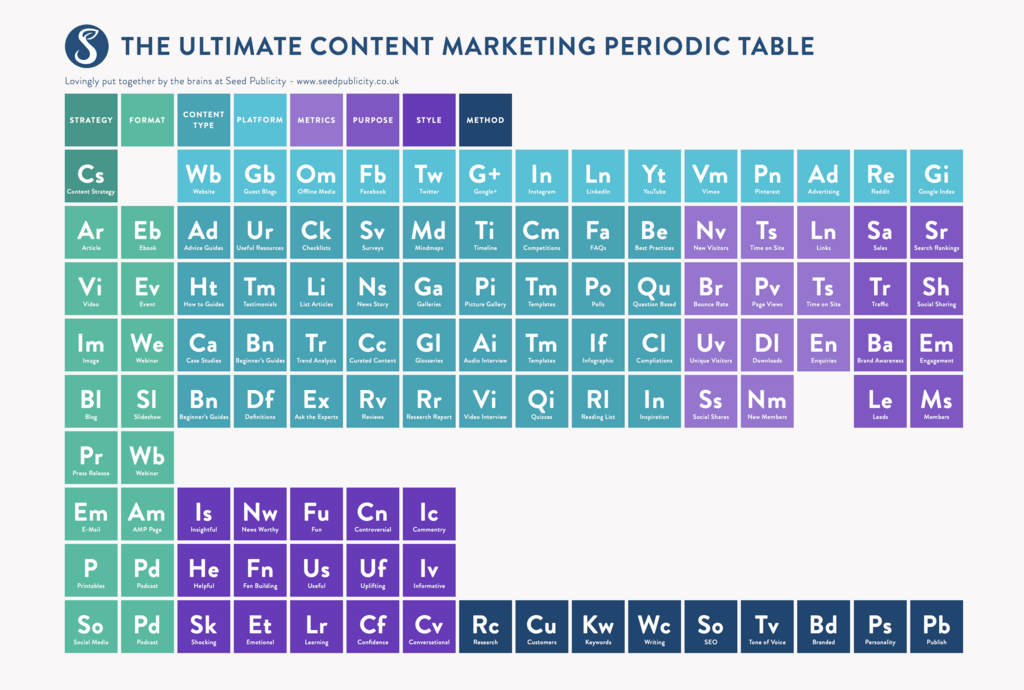
At the heart of all these channels is content. High-quality, engaging content is the fuel for your digital marketing engine. It's what gets you found on search engines, what people share on social media, and what makes your emails worth opening. Without compelling content, even the most sophisticated marketing strategy will fall flat. Creating material that resonates with your target audience—that educates, entertains, or solves a problem for them—is fundamental to success.
Now, let's test your understanding of these core concepts.
What is the key advantage of digital marketing over traditional marketing methods like billboards?
The primary objective of Search Engine Optimization (SEO) is to:
Understanding these foundational elements of digital marketing prepares you to explore each channel in greater detail. It's all about connecting with people in the digital world in a way that is both helpful and authentic.