Digital Marketing Essentials
Introduction to Digital Marketing
What is Digital Marketing?
Digital marketing is any marketing that uses electronic devices and the internet. It's how businesses connect with customers online, whether that’s through search engines, social media, email, or their own websites.
Think about the last time you wanted to buy something. Did you see an ad on TV, or did you search for it online? For most of us, the internet is the first place we go. Businesses know this, which is why digital marketing has become so important. It allows them to show up where their customers are already spending their time.
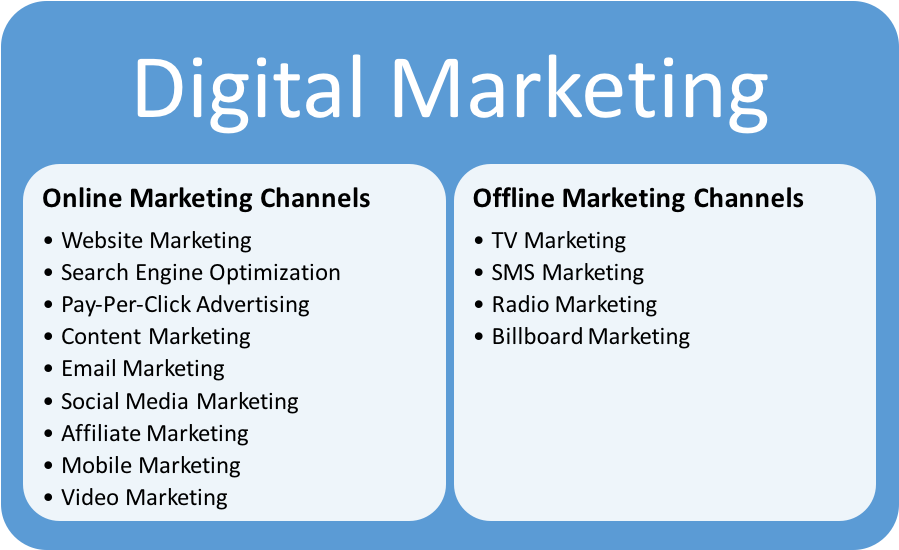
Unlike a billboard that everyone sees, digital marketing can be highly targeted. It lets companies speak directly to the people most likely to be interested in their products or services. This creates a more personal and effective connection, moving beyond just broadcasting a message to having a conversation.
The Main Channels
Digital marketing isn't just one thing; it's a collection of different tools and strategies. Each one serves a unique purpose, but they all work together to build a brand's online presence. Let's look at the four most common channels.
SEO
noun
The process of improving your site to increase its visibility for relevant searches in search engines like Google.
Search Engine Optimization (SEO) is all about helping people find your website through search engines. When you rank higher on Google, more people see your site, which means more potential customers. It’s like having a shop on the busiest street in town instead of a quiet back alley.
Content Marketing focuses on creating and sharing valuable, relevant articles, videos, podcasts, and other media. The goal isn't to directly sell a product, but to provide information that helps your audience. By offering useful content, you build trust and establish yourself as an expert in your field. When it's time to buy, people remember the brand that helped them.
Social Media Marketing involves using platforms like Instagram, Facebook, and LinkedIn to connect with your audience. It’s where you can show your brand's personality, share updates, and engage in conversations. Each platform has its own style, so the key is to be where your customers are and to share content they'll find interesting and shareable.
Email Marketing is one of the most direct ways to communicate with your audience. By sending newsletters, promotions, and personalized messages to people who have signed up to hear from you, you can nurture relationships and keep your brand top of mind.
The Buyer's Journey
These channels aren't used randomly. A smart digital marketing strategy maps each channel to a specific stage of the buyer's journey. This is the path a customer takes from first learning about a product to making a purchase.
In the Awareness stage, a person has a problem but might not have a name for it. SEO and content marketing help them find answers. For example, someone might search "why are my plants turning yellow?" and find a blog post from a gardening supply company.
Next is the Consideration stage. The person now understands their problem and is looking at different solutions. In-depth content like product comparison guides or case studies, often delivered via email, can help them evaluate their options.
Finally, in the Decision stage, the customer is ready to buy. They've narrowed down their choices and need a final nudge. A well-timed email with a special offer or a free trial can be just the thing to close the deal.
By aligning marketing efforts with these stages, businesses can provide the right information at the right time, guiding customers naturally toward a purchase.
Creating Compelling Content
Content is the fuel for every digital marketing channel. Without it, SEO has nothing to rank, social media has nothing to share, and emails have nothing to say. But not just any content will do, it has to be engaging.
Engaging content is content that your audience finds useful, interesting, or entertaining enough to actively pay attention to it.
So what makes content compelling?
- It solves a problem. The best content addresses a specific need or answers a question for the reader. It provides real value.
- It tells a story. People connect with stories. Weaving a narrative into your content, whether it's a customer success story or the history of your brand, makes it more memorable and relatable.
- It's easy to consume. In a world of short attention spans, content needs to be clear and scannable. Using headlines, bullet points, and images helps break up text and makes your message easier to digest.
- It has a clear voice. Great content has personality. Whether it's witty, professional, or inspirational, a consistent brand voice helps you stand out and build a loyal following.
Creating great content is the foundation for a strong digital marketing strategy. It's how you attract an audience, build trust, and ultimately grow a business.
Ready to check your understanding? This quiz will cover the key ideas we've discussed.
What is the primary advantage of digital marketing compared to traditional marketing methods like billboards?
A gardening company publishes a blog post titled '5 Common Reasons Your Houseplants Are Turning Yellow.' This is an example of which digital marketing channel?
Understanding these core concepts is the first step in navigating the world of digital marketing. By combining the right channels with compelling content, you can create a strategy that connects with your audience and achieves your goals.