Digital Infrastructure of Indian Research
INFLIBNET Ecosystem
India's Digital Academic Backbone
The Information and Library Network Centre, or INFLIBNET, serves as the central nervous system for India's higher education and research communities. Established in 1991, it began as a project under the Inter-University Centre for Astronomy and Astrophysics but quickly became an independent of the University Grants Commission (UGC) in 1996. Its mandate is broad but focused: to modernize and connect libraries and information centers across the country, fostering a culture of resource sharing and collaborative research.
INFLIBNET's evolution mirrors the internet's own journey. It started by focusing on library automation and connecting a few university libraries through early networking protocols. Today, it operates as a high-level research data facilitator, managing a complex digital infrastructure that links thousands of institutions. The core of this network is a centralized system for harvesting and managing metadata. By standardizing how libraries describe their resources, INFLIBNET creates a unified, searchable catalog of the entire nation's academic output, from journal articles and theses to rare manuscripts.
Connecting the Consortiums
A key function of INFLIBNET is managing access to scholarly resources. Instead of each university negotiating individually with publishers, INFLIBNET leverages collective bargaining power through nationwide consortia. The most significant of these is , formed by merging three previous consortia. This single entity provides current and archival access to a massive collection of e-journals, e-books, and databases from major publishers and scholarly societies.
This centralized approach drastically reduces costs and administrative overhead for individual institutions. More importantly, it democratizes access to information, ensuring that a researcher at a small state college has the same access to cutting-edge papers as someone at a premier national institute. INFLIBNET manages the technical backend, authenticating users and providing seamless access to these subscribed resources through a single portal.
Standards for a Unified Network
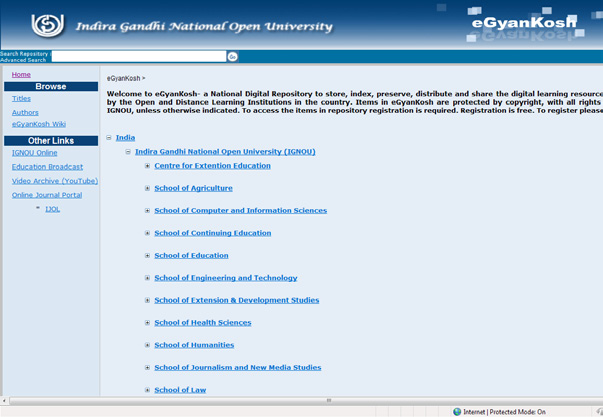
For a network of this scale to function, standardization is non-negotiable. INFLIBNET establishes and promotes data management standards for all participating libraries. This goes beyond simple cataloging rules. It involves adopting specific metadata schemas, like MARC 21 and Dublin Core, and utilizing protocols like OAI-PMH (Open Archives Initiative Protocol for Metadata Harvesting). This protocol allows INFLIBNET's central servers to automatically collect metadata records from individual university repositories.
By enforcing these standards, INFLIBNET ensures that data from diverse institutions is interoperable, creating a single, searchable national database of academic resources.
One of its flagship projects, the Shodhganga repository, is a direct result of this standardization. Shodhganga is a national digital archive of theses and dissertations from Indian universities. The UGC mandates that all PhD students submit an electronic version of their thesis to this repository. This not only preserves the research but also makes it openly accessible, curbing plagiarism and improving the visibility of Indian scholarship worldwide.
Now, let's test your understanding of how INFLIBNET architects India's academic digital infrastructure.
What is the primary role of the e-ShodhSindhu consortium managed by INFLIBNET?
The UGC mandates that all PhD students in India submit an electronic version of their thesis to which INFLIBNET repository?
Through its combination of network infrastructure, resource consortia, and data standards, INFLIBNET has transformed India's academic landscape, creating a truly unified and accessible scholarly communication network.