Digital Forensics Fundamentals
Introduction to Digital Forensics
The Digital Crime Scene
Almost every aspect of modern life leaves a digital footprint. From the texts we send to the websites we visit, our actions create trails of data. When a crime occurs, these trails can provide crucial clues. This is where digital forensics comes in.
Digital Forensics
noun
The process of identifying, preserving, analyzing, and documenting digital evidence to be used in legal proceedings or internal investigations.
Think of it as crime scene investigation for the digital world. Instead of dusting for fingerprints on a doorknob, a digital forensics investigator might be recovering deleted files from a hard drive or tracing an IP address. The goal is the same: to reconstruct events and find the truth by carefully examining evidence.
This field is vital in everything from corporate fraud investigations and intellectual property theft to solving murders and tracking terrorist networks. Without it, modern law enforcement would be blind to a huge portion of criminal activity.

Clues in the Code
So, what counts as digital evidence? It’s any information of probative value that is stored or transmitted in a digital form. This evidence can be found on a huge range of devices: computers, smartphones, tablets, smartwatches, GPS units, and even home security systems.
Digital evidence generally falls into two categories:
- Persistent Data: This is the data that’s stored on a device and remains even after it's powered off. Think of files on a hard drive, photos on a memory card, or emails saved in an inbox.
- Volatile Data: This is temporary data that's lost when a device loses power. A computer’s random-access memory (RAM), for instance, contains a snapshot of what was happening at a specific moment, like running programs or open network connections. Capturing this data can be a race against time.
Every digital interaction, from a 'like' on social media to a deleted search query, can become a piece of the puzzle.
Examples are everywhere: text message logs, browser histories, location data from a phone, document creation timestamps, and the metadata hidden within a digital photograph that reveals when and where it was taken.
An Investigator's Challenge
Working with digital evidence isn't straightforward. Investigators face several unique challenges.
First is the sheer volume of data. A single smartphone can contain hundreds of gigabytes of information. Sifting through it all to find relevant clues is like looking for a needle in a digital haystack.
Second is the fragile nature of the evidence itself. Digital data is incredibly easy to alter, intentionally or accidentally. Just turning on a computer can change hundreds of files. This is why the first step in any investigation is to create a perfect, bit-by-bit copy of the original device. All analysis is done on the copy, leaving the original evidence untouched and preserved.
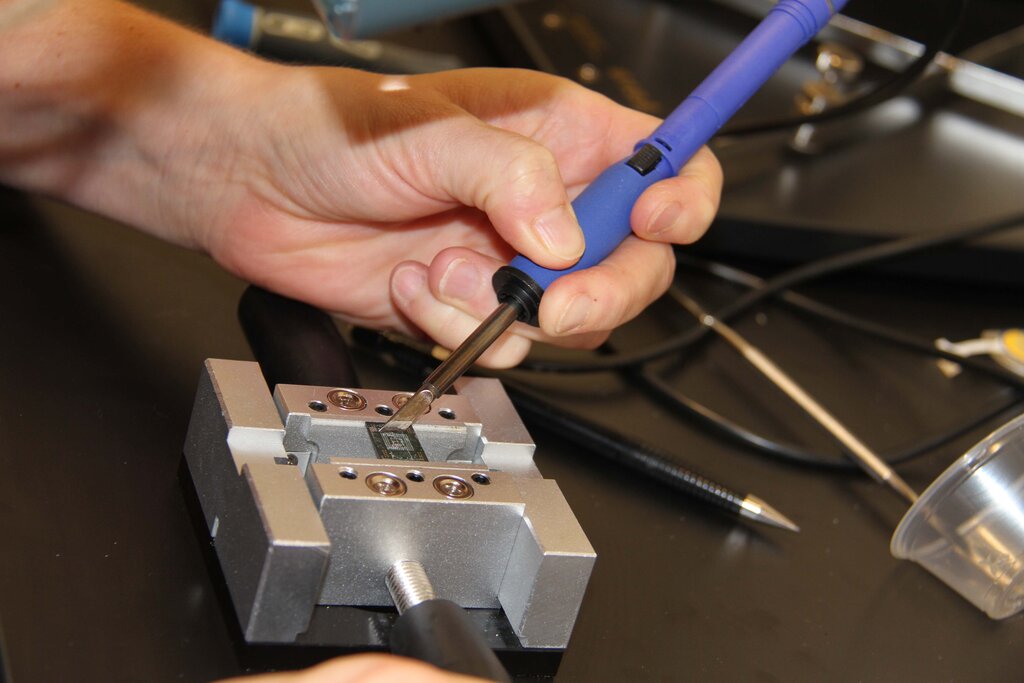
Finally, technology is always changing. New devices, new apps, and new forms of encryption constantly appear, forcing investigators to adapt their methods and tools. What worked to analyze a phone five years ago might be useless today.
The Rule of Law
All the evidence in the world is useless if it can't be presented in court. Digital forensics is governed by strict legal procedures to ensure that evidence is collected legally and its integrity is maintained.
The most important concept here is the chain of custody. This is a detailed log that documents every single person who handled the evidence, what they did with it, and when. A broken chain of custody can make evidence inadmissible, no matter how compelling it is.
Ensuring that digital evidence meets specific criteria—such as relevance, authenticity, and integrity—is crucial for court acceptance.
Investigators must also navigate complex privacy laws and have the proper legal authority, like a search warrant, to examine a device. These rules ensure that the process is fair and respects individual rights while still allowing for effective investigation.
What is the primary goal of digital forensics?
Data stored on a smartphone's memory card, such as photos and saved documents that remain after the phone is turned off, is classified as which type of data?