Digital Finance Transformation Explained
Introduction to Digital Finance Transformation
What Is Digital Finance Transformation?
Digital finance transformation is more than just buying new accounting software. It’s a fundamental rethinking of how a company's finance department works. The goal is to move finance from a backward-looking administrative function to a forward-looking strategic partner in the business.
Instead of just recording what happened, a transformed finance team uses technology and data to help predict what will happen. This shift allows them to provide valuable insights that guide the company’s decisions, making the business smarter, faster, and more competitive.
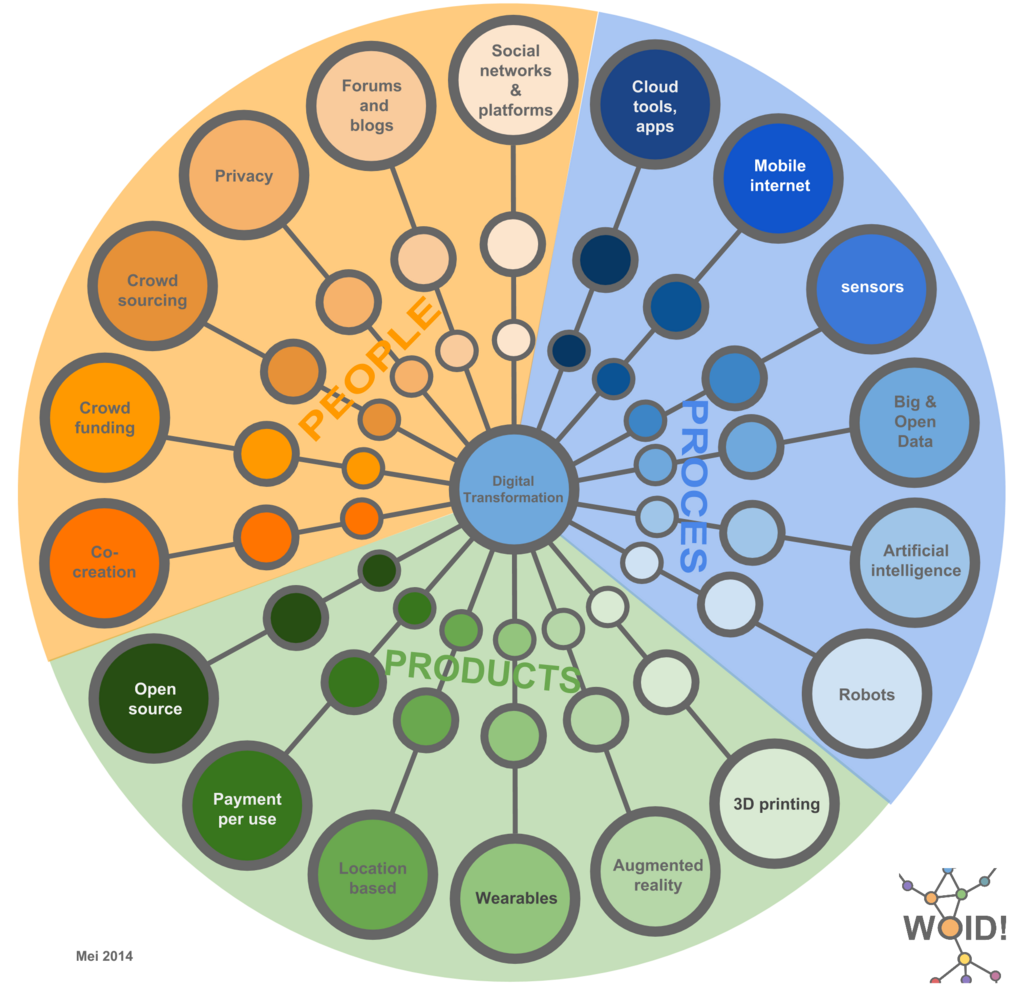
Digital transformation is an organizational effort or a series of processes that redefine and improve existing and new techniques and customer experiences.
This isn't just an internal change. It touches every part of the organization by improving how money is managed, how performance is measured, and how plans are made for the future.
The Evolving Role of Finance
Traditionally, the finance department was the company’s scorekeeper. Its main jobs were bookkeeping, closing the books at the end of each month, and making sure taxes were paid on time. They dealt with historical data, reporting on results after the fact. Think of them as historians, documenting the company's past financial journey.
Today, that role is expanding dramatically. A modern finance team acts more like a navigator. They still need to know where the company has been, but their primary focus is on charting the course ahead. They analyze real-time data to spot trends, identify risks, and uncover opportunities. This allows them to advise leadership on the best path forward, helping steer the business toward its goals.
This evolution turns finance professionals from number crunchers into storytellers and strategists. They translate complex data into clear, actionable insights that everyone in the company can use to make better decisions.
Why Now? The Drivers of Change
Several powerful forces are pushing companies to transform their finance functions. Staying with outdated processes is no longer a viable option.
| Driver | Impact on Finance |
|---|---|
| Technological Advancements | New tools automate routine tasks and provide powerful analytics, making deep insights accessible. |
| Increased Competition | Businesses must move quickly. A slow, manual finance process can be a major disadvantage. |
| Regulatory Changes | Evolving compliance rules demand more detailed and faster reporting, which is difficult with old systems. |
These drivers aren't acting in isolation. They combine to create an environment where digital transformation isn't just an advantage, it's a necessity for survival and growth.
Benefits and Challenges
The rewards of a successful finance transformation are significant. Companies that get it right see improvements across the board. They gain the ability to make smarter decisions based on real-time data, not last month's reports. Automating repetitive tasks frees up employees for more strategic work and reduces operational costs. The business also becomes more agile, able to react swiftly to market shifts or unexpected events.
However, the path isn't always smooth. The biggest hurdle is often cultural. People can be resistant to changing processes they've used for years. It requires a shift in mindset across the entire team.
Another major challenge is the skills gap. A modern finance professional needs to be comfortable with data analytics and new technologies, not just traditional accounting.
Overcoming these obstacles requires strong leadership, clear communication, and a commitment to training and supporting the team through the transition. It's a journey that redefines the value of finance, turning it into a crucial engine for the company's success.