Digital Enterprise Foundations for Leaders
Digital Economy Fundamentals
What Is the Digital Economy?
The digital economy isn't a separate world; it's the economy we live in today, supercharged by digital technology. It's built on the interconnected web of computers, devices, and networks that have become part of our daily lives. This system runs on the internet, mobile computing, and the ever-growing cloud, changing how we work, shop, and communicate.
Three key traits define this economy. First is connectivity. Billions of people and devices are linked, allowing for instant communication and transactions across the globe. Second is data. Every click, search, and purchase generates information, creating a new kind of resource. Finally, there's speed. Ideas can spread, products can launch, and markets can change in the blink of an eye.
Digitalization
noun
The process of converting information from a physical format into a digital one. This allows the information to be easily stored, accessed, and shared using computers.
From Atoms to Bits
For centuries, economies were built on physical things, or "atoms." Think of books, cars, and food. Creating and moving these items required factories, trucks, and warehouses. The digital economy, however, is increasingly built on "bits"—the ones and zeros that make up digital information.
This shift has transformed entire industries. Music collections went from stacks of vinyl records to playlists in the cloud. We navigate with apps instead of paper maps. This transition from physical goods to digital services and products changes the fundamental rules of business.
| Feature | Traditional Bookstore (Atoms) | Digital Bookstore (Bits) |
|---|---|---|
| Product | Physical books | E-books, audiobooks |
| Inventory | Limited by shelf space | Virtually unlimited |
| Distribution | Shipping, physical stores | Instant download |
| Cost to Copy | Printing, binding, paper costs | Nearly zero |
| Reach | Local or regional | Global |
Digital goods can be copied perfectly without any loss of quality and distributed to millions of people almost instantly at a very low cost. This creates new business opportunities and challenges old ones.
Data Is the New Oil
In the industrial age, oil was the resource that powered factories and fueled growth. In the digital economy, that resource is data. Every time you use an app, browse a website, or buy something online, you generate data. Companies collect this information to understand what customers want, improve their products, and offer personalized experiences.
Unlike oil, data is a renewable resource. It can be used over and over again for different purposes. This makes it an incredibly valuable asset for businesses looking to gain a competitive edge.
This cycle of collecting, analyzing, and using data helps businesses innovate and adapt quickly to changing market demands.
A New Engine for Growth
Digitalization acts as a powerful engine for economic growth. By adopting digital tools, companies can automate tasks, streamline their operations, and communicate more effectively. An architecture firm can use software to design buildings more quickly, and a small shop can use social media to reach customers far beyond its neighborhood. These efficiencies boost productivity, allowing businesses to produce more with less.
Beyond just making old industries more efficient, the digital economy creates entirely new ones. A decade or two ago, jobs like 'app developer,' 'social media manager,' or 'data scientist' didn't exist. New platforms and technologies have opened up markets for everything from ride-sharing to online education, creating new opportunities for entrepreneurs and workers.
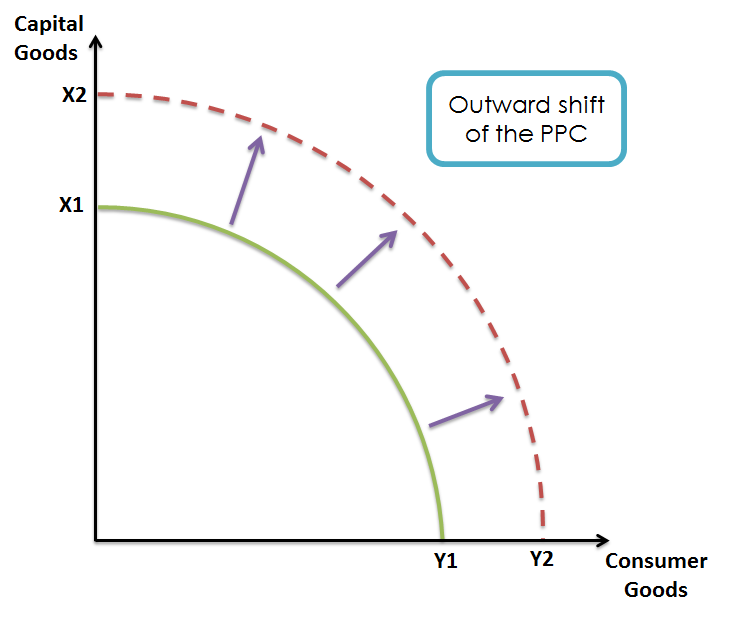
This expansion creates wealth and new kinds of value, fundamentally altering the economic landscape.
The digital economy isn't just about doing things faster; it's about doing new things that were never before possible.
As we continue our journey, it's helpful to get comfortable with the core ideas that make this new landscape tick. Take a moment to review them.
Ready to test your understanding? This quiz will cover the key concepts we've discussed.
What is the best description of the digital economy?
The text compares data to oil. What is a key difference between these two resources?
Understanding these fundamentals provides a solid base for exploring the more complex aspects of how our world is changing.