Digital Education Tools
Introduction to E-Learning
What is E-Learning?
At its core, e-learning is simply learning that happens with the help of electronic technologies. It’s a broad term that covers everything from a university student taking an online degree program to an employee completing a required training module on their work computer.
E-Learning
noun
A learning system based on formalized teaching but with the help of electronic resources. While teaching can be based in or out of the classroom, the use of computers and the Internet forms the major component of E-learning.
Think of it as a digital extension of the classroom. Instead of being limited by physical location, learners can access educational content anytime, anywhere. This could be a structured course with deadlines and instructor feedback, or it could be self-paced learning through an app on your phone. The common thread is the use of technology to deliver, support, and enhance the learning process.
The scope of e-learning isn't just about moving traditional classes online; it's about creating new ways to learn that are more flexible and accessible.
A Quick History
The idea of distance education isn't new. Long before the internet, institutions used mail to send lessons and assignments to students in a format called correspondence courses. Later, radio and television broadcasts were used to deliver educational programming to a wider audience.
But the real revolution began with the personal computer. In the 1980s, computers started appearing in schools and homes, offering new possibilities for interactive learning through software and CD-ROMs. The game-changer, however, was the rise of the public internet in the 1990s. This connected everyone and paved the way for the first online courses and the platforms needed to manage them.
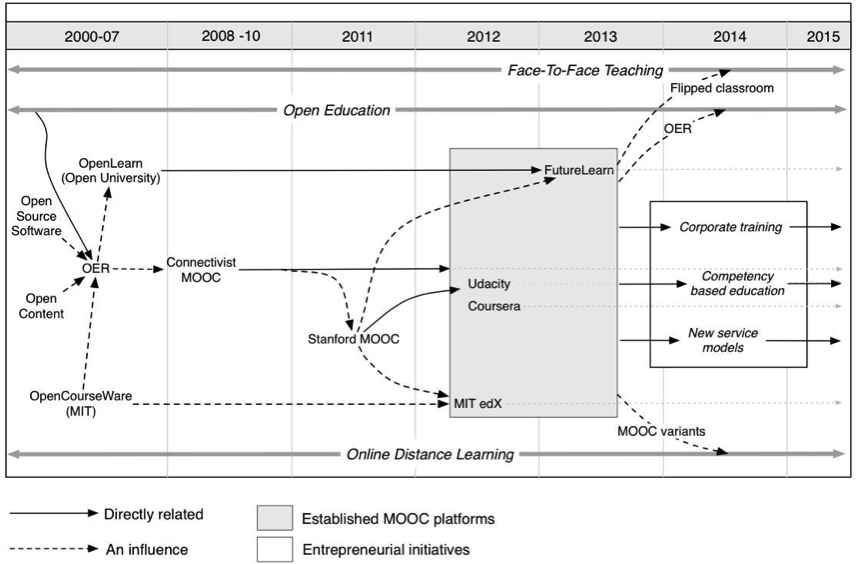
By the early 2000s, universities and companies were widely adopting Learning Management Systems (LMS) to host and track online learning. The 2010s saw the explosion of Massive Open Online Courses, or MOOCs, which made courses from top universities available to millions of people for free, solidifying e-learning's place in modern education.
Benefits and Challenges
Like any educational approach, e-learning comes with its own set of advantages and disadvantages. The convenience of learning from anywhere is a huge plus, but it requires a level of self-discipline that might not be necessary in a traditional classroom.
| Benefits | Challenges |
|---|---|
| Flexibility - Learn at your own pace, on your own schedule. | Digital Divide - Requires reliable internet and device access. |
| Accessibility - Overcomes geographical barriers to education. | Self-Motivation - Learners must manage their own time and progress. |
| Personalization - Content can be tailored to individual needs. | Isolation - Less face-to-face interaction with peers and instructors. |
| Cost-Effectiveness - Often reduces costs related to travel and physical materials. | Technical Issues - Platform bugs or connectivity problems can disrupt learning. |
The "digital divide" is a significant challenge. It refers to the gap between those who have easy access to technology and the internet and those who don't. This can create inequalities, making it difficult for some learners to participate fully in online education.
Key Components
A modern e-learning environment is more than just a collection of videos and documents. It’s an ecosystem of tools and resources designed to create a cohesive learning experience. While specific platforms vary, they generally share a few key components.
These building blocks work together to deliver content, facilitate communication, and manage the entire learning journey from start to finish.
First is the content. This is the actual educational material, which can take many forms: text, videos, interactive simulations, quizzes, and assignments. Good e-learning content is engaging and designed specifically for a digital format.
Next is the Learning Management System (LMS). This is the software platform that hosts the content, tracks student progress, and manages the course. It's the central hub where learners and instructors interact with the course material and each other.
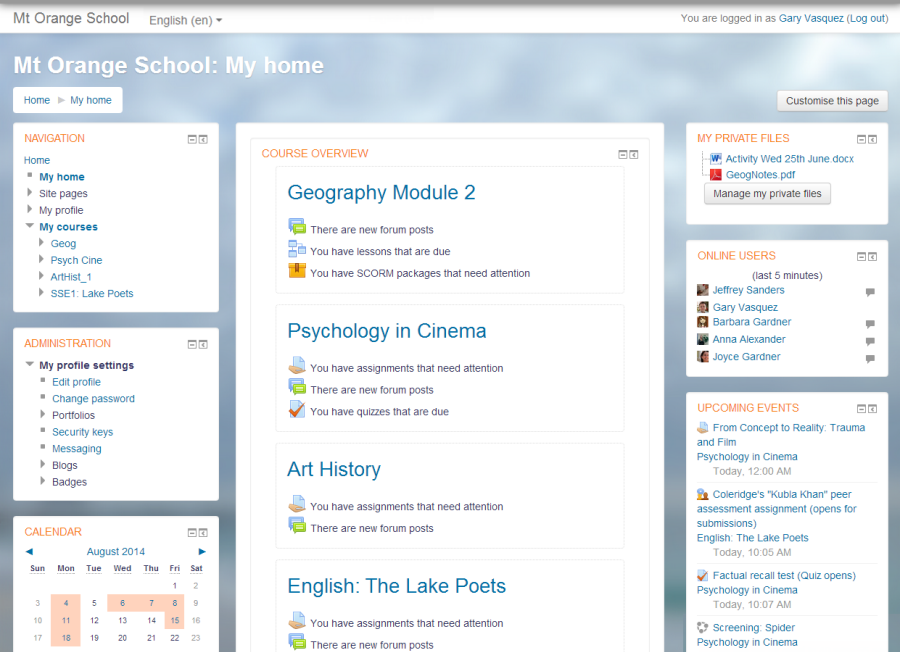
Finally, there are communication tools. These are essential for preventing the feeling of isolation that can come with online learning. They include discussion forums, email or messaging systems, and video conferencing for live sessions. These tools allow for interaction, collaboration, and support.