Digital Earth Healing
Introduction to Environmental Restoration
Healing the Planet, One Piece at a Time
Ecosystems, like living organisms, can get sick. Pollution, deforestation, and urban sprawl can damage natural environments, leaving them unable to function properly. Environmental restoration is the process of helping these damaged ecosystems recover. It’s like ecological medicine, where scientists and communities work together to heal a wounded landscape.
We can at least partially reverse much of this harm through ecological restoration the process of repairing damage caused by humans to the biodiversity and dynamics of natural ecosystems.
The goal isn't just to make a place look pretty again. It's about bringing back the essential functions that were lost. This involves reintroducing native plants and animals, rebuilding healthy soil, and restoring natural water flows. The aim is to create a self-sustaining ecosystem that can thrive on its own.
Why Bother Restoring Ecosystems?
Restoring an ecosystem is a big job, but the payoffs are huge. Healthy environments provide services that are crucial for human survival. These are often called ecosystem services.
Think of forests that purify the air we breathe, wetlands that filter our drinking water, and bees that pollinate our crops. These aren't just nice side effects of nature; they are essential processes that support our lives and economies.
Restoration also brings back biodiversity, which is the variety of life in a particular habitat. An ecosystem with high biodiversity is like a well-diversified financial portfolio—it’s more resilient. If one species struggles, others can step in to fill its role, keeping the whole system stable. When we restore a degraded area, we're not just planting trees; we're rebuilding a complex, interconnected web of life.
People-Powered Recovery
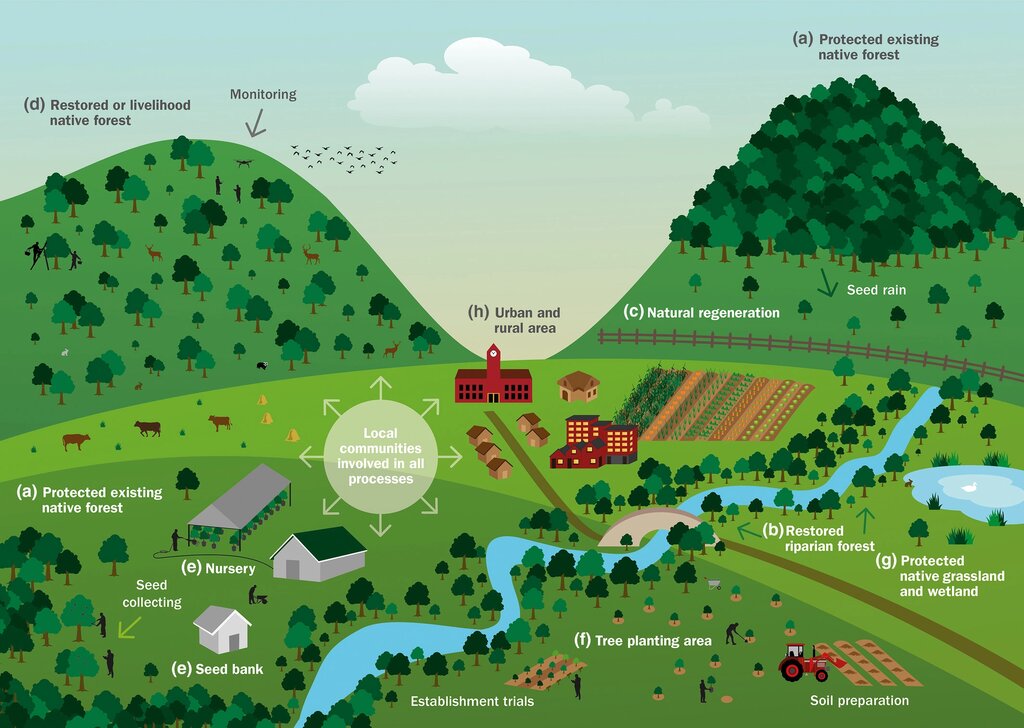
Since human activities are the primary cause of ecosystem damage, it makes sense that humans must lead the recovery. Restoration projects are often massive, collaborative efforts involving scientists, governments, non-profit organizations, and local volunteers. Community involvement is not just helpful; it's essential for long-term success. When local people are invested in a project, they become its guardians, ensuring it thrives for generations.
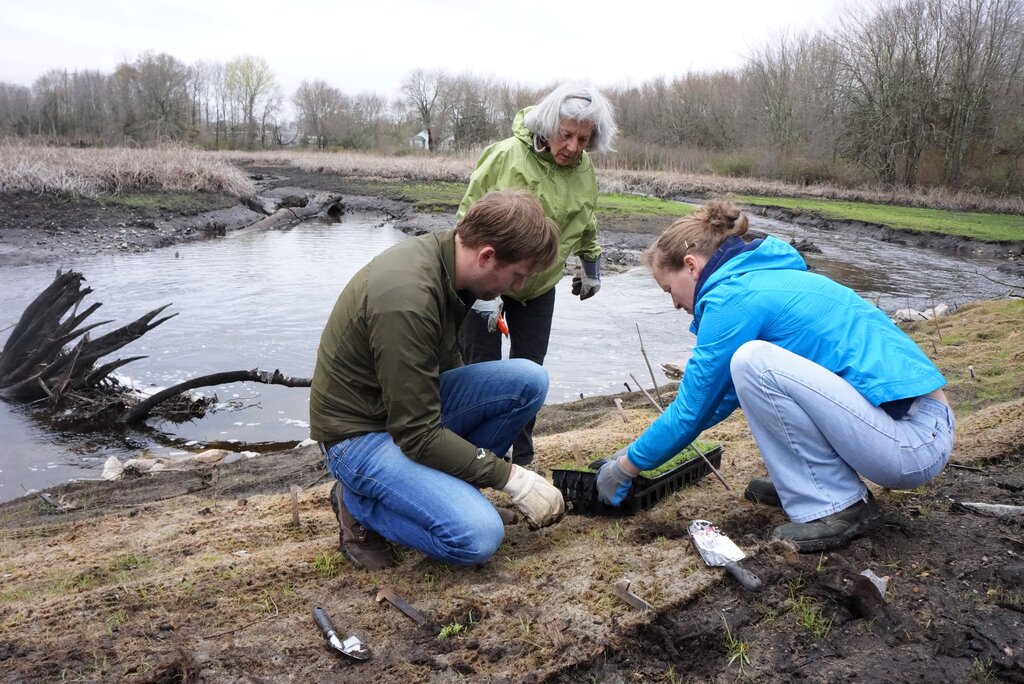
Of course, this work is full of challenges. Invasive species can outcompete native plants, funding can be hard to secure, and a changing climate can make it difficult to predict which species will thrive. There’s no single recipe for success. Every project must be tailored to the specific needs of the location, blending scientific knowledge with local wisdom.
Select the appropriate restoration techniques and management practices based on site conditions, project goals, and ecological requirements.
The process generally involves assessing the damage, setting clear goals, implementing a restoration plan, and then monitoring the results over time to make adjustments. It's a slow and steady process of giving nature a helping hand.
Now, let's check your understanding of these core ideas.
What is the primary goal of environmental restoration?
The variety of life in a particular habitat, which helps make an ecosystem more resilient, is called _________.
Environmental restoration is a hopeful, forward-looking field. It acknowledges the harm we've caused but focuses on our power to heal, rebuilding healthier ecosystems for both wildlife and people.