Digital Devices Explained
Digital Devices Overview
The World of Digital Devices
At its core, a digital device is an electronic tool that handles information. It takes in data, processes it, stores it, and sends it out. What makes it "digital" is how it sees the world: in ones and zeros. This binary system is the language of modern electronics, allowing devices to perform complex tasks with incredible speed and accuracy.
Everything a digital device does, from playing a song to sending an email, boils down to manipulating a long string of ones and zeros.
Personal Computers
When you hear the word "computer," you probably picture a personal computer, or PC. These are the versatile, all-purpose machines we use for work, creativity, and entertainment. They come in two main forms.
Desktops are the traditional workhorses. They consist of a tower, a monitor, a keyboard, and a mouse. Because they have more space for powerful components and cooling, they are often favored for demanding tasks like video editing, graphic design, and gaming.
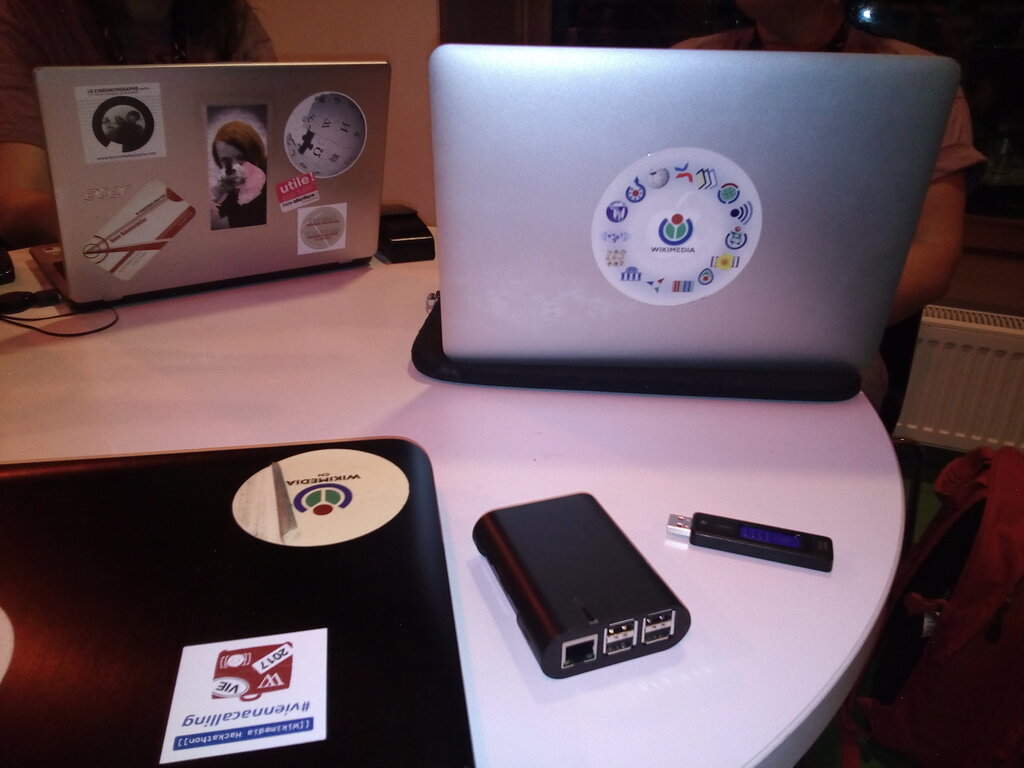
Laptops pack all that capability into a portable package. They combine the screen, keyboard, and trackpad into a single unit with a battery, letting you take your work anywhere. Laptops offer a great balance of power and convenience, making them incredibly popular for both students and professionals.
Mobile Devices
Mobile devices put the power of a computer right in our hands. They are defined by their portability, touchscreens, and wireless connectivity.
Smartphones are the most common digital device on the planet. They've evolved from simple phones into powerful pocket-sized computers that we use for communication, navigation, photography, and accessing the internet.
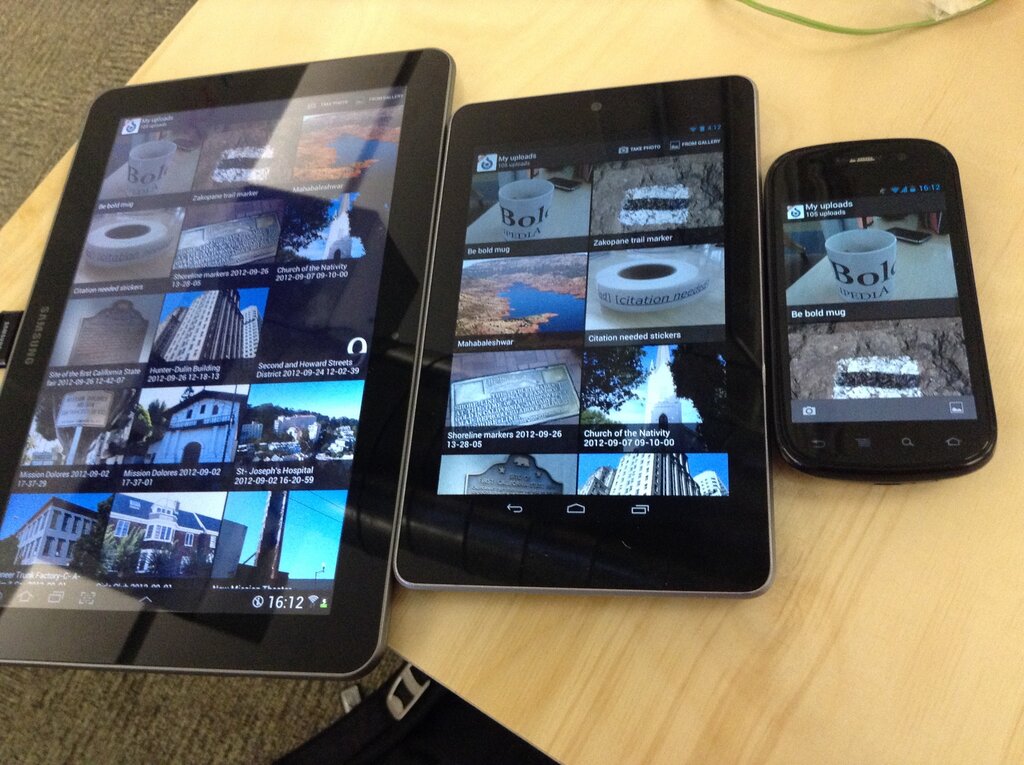
Tablets offer a middle ground between a smartphone and a laptop. With their larger screens, they are great for watching videos, reading, and light productivity tasks. They provide a more immersive experience than a phone without the bulk of a full laptop.
The Hidden Computers
Not all digital devices have screens we stare at all day. Many work behind the scenes, integrated into other objects. These fall into two main categories: embedded systems and computer appliances.
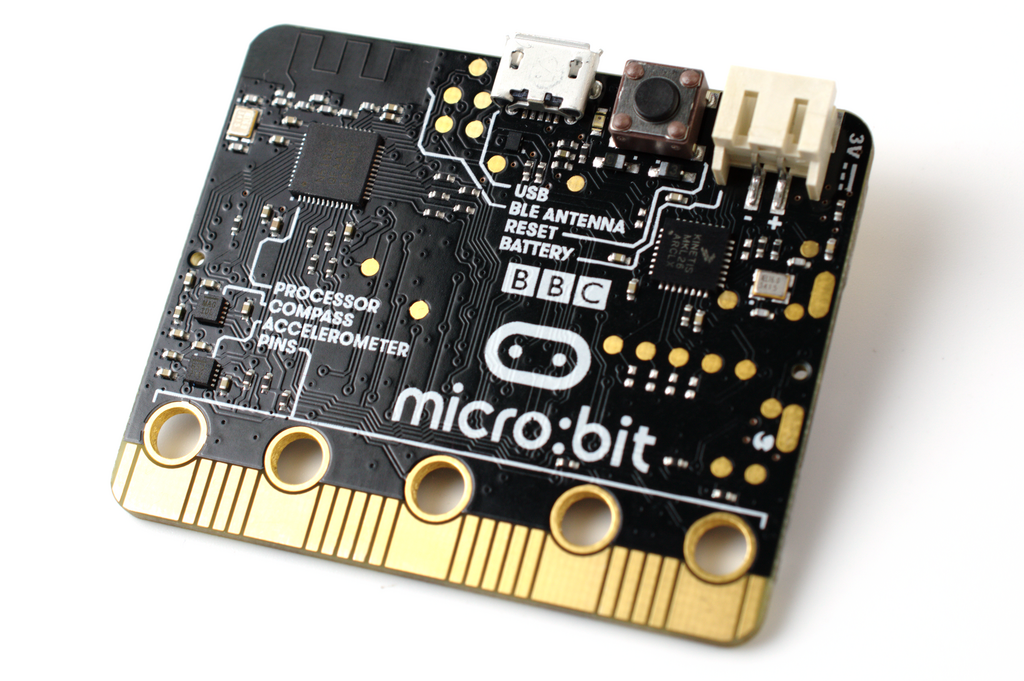
An embedded system is a specialized computer designed to do one job, or a few related jobs, as part of a larger system. Your car, for example, contains dozens of embedded systems that control everything from the engine and brakes to the entertainment system. They're also in microwaves, washing machines, and even medical equipment. They are built for a specific purpose and aren't meant for general use like a PC.
A computer appliance is a standalone device built for a narrow set of tasks. Unlike an embedded system, it's not part of another machine; it is the machine. A network router is a perfect example. Its main job is to manage your internet traffic. While it's a powerful computer, you can't use it to write an essay or browse the web. Other examples include smart speakers, digital video recorders (DVRs), and gaming consoles. They are designed for ease of use and excel at their specific function.
What fundamental system do digital devices use to represent and process all information?
A computer system that is integrated into a larger machine, like a car's engine control unit or a microwave's controller, is known as a(n) ________.
From the PC on your desk to the tiny chip in your coffee maker, digital devices are an integral part of modern life. Understanding the different types helps you see how they shape our world.