Digital Agency Growth Strategies
Digital Agency Fundamentals
The Digital Marketing Landscape
Before you can build a digital agency, you need to understand the world it lives in. The internet offers a vast array of channels for businesses to reach their customers. A digital agency's job is to navigate these channels effectively for its clients. Each channel serves a different purpose and requires a unique skill set.
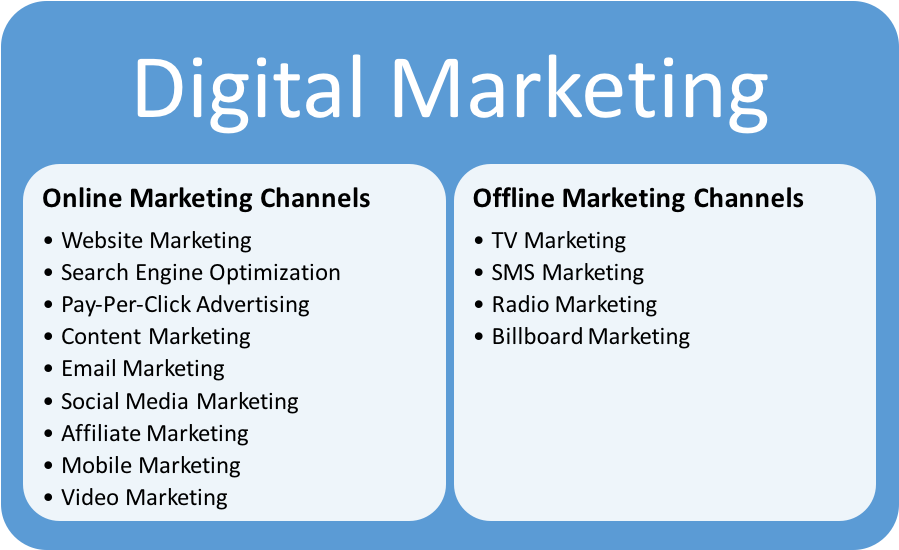
Think of these channels as different tools in a toolbox. You wouldn't use a hammer to saw a piece of wood. Similarly, the right marketing channel depends entirely on the client's goals and their audience. Let's look at the most common ones.
| Channel | Description | Goal |
|---|---|---|
| SEO (Search Engine Optimization) | Improving a website to rank higher in search results. | Drive organic, long-term traffic. |
| PPC (Pay-Per-Click) | Placing paid ads on search engines like Google. | Generate immediate, targeted traffic. |
| Social Media Marketing | Using platforms like Instagram or LinkedIn to build a brand. | Engage communities and create brand loyalty. |
| Content Marketing | Creating articles, videos, or podcasts to attract an audience. | Build authority and attract inbound leads. |
| Email Marketing | Sending targeted messages directly to a list of subscribers. | Nurture leads and retain existing customers. |
A successful agency understands how these channels work together. A great blog post (Content Marketing) can be promoted on social media and attract email subscribers, who then receive targeted offers. SEO ensures people can find that blog post in the first place. It's all connected.
Defining Your Agency's Services
You can't be an expert in everything, especially when you're starting out. The most successful agencies specialize. They pick a few services and do them exceptionally well. This focus is the foundation of your value proposition.
Value Proposition
noun
A clear statement that explains the unique benefit a company provides, how it solves a customer's problem, and what distinguishes it from the competition.
Your value proposition answers a simple question for potential clients: "Why should I hire you instead of someone else?" Maybe you deliver results faster, have deep expertise in a specific industry, or offer unparalleled customer service. Whatever it is, it needs to be clear.
Start by deciding which services you'll offer. Will you focus on SEO for e-commerce sites? Manage social media for local restaurants? Or create content for tech startups? Your services should align with your team's skills and interests.
Don't try to be a one-stop-shop. Be the go-to expert for a specific problem. Specialization builds trust and allows you to charge premium prices.
Finding Your Target Market
Once you know what you're selling, you need to figure out who you're selling it to. This is your target market or niche. A well-defined niche makes every part of your business easier, from marketing to service delivery. Instead of shouting into the void, you're speaking directly to people who need your help.
How do you find your niche? Look for groups of businesses with shared problems that you can solve. Here are a few ways to think about it:
- By Industry: Plumbers, lawyers, software companies, clothing boutiques.
- By Business Size: Small local businesses, venture-backed startups, large corporations.
- By Audience: Businesses targeting new parents, retirees, or college students.

After you've identified a potential market, do some research. Are there enough businesses in this niche to support you? Do they understand the value of digital marketing and have a budget for it? Who are your competitors, and what are they doing well or poorly? Answering these questions helps you validate your idea before you invest too much time and effort.
Understanding Your Clients
The final piece of the foundation is learning to think like your clients. A business owner doesn't hire an agency because they want more website clicks or social media followers. They hire an agency to solve a business problem.
They want more customers, higher revenue, or a stronger brand reputation. Your job is to connect your services, like SEO or content marketing, to those real-world outcomes. When you talk to a potential client, focus on their goals and pain points first. Ask questions like:
- What are your biggest business challenges right now?
- What does success look like for you in the next year?
- What have you tried in the past with marketing, and what were the results?
Listening is your most powerful tool. The better you understand a client's needs and expectations, the better you can tailor a strategy that actually helps them. This builds trust and sets the stage for a long, successful partnership.
Successful digital marketers have a deep understanding of their target audience.
With these fundamentals in place, you're ready to start building the structure of your agency. Now it's time to test your knowledge.
What is the primary role of a digital agency?
A new agency's value proposition is its answer to which client question?
These core ideas provide the bedrock for a successful digital agency. By mastering the landscape, defining your value, and deeply understanding your clients, you create a solid foundation for growth.