Diffusion Transformers Demystified
Introduction to Diffusion Models
Creating from Chaos
Generative AI models are systems that can create new content, from text to music to images. One of the most powerful types of generative models today is the diffusion model. At its core, a diffusion model works by learning to reverse a process of destruction.
Imagine taking a beautiful photograph and slowly adding random noise to it, step by step, until all you have is a screen of static. The original image is gone, completely lost in the chaos. A diffusion model learns how to undo that process. It learns to find the hidden photograph within the static, carefully removing the noise at each step until a clear image emerges.
The Forward Process: Adding Noise
The first stage in a diffusion model's training is the forward process. This is the part we, the humans, define. We take a clean, high-quality image from our training data and gradually add a small amount of random noise over many successive steps.
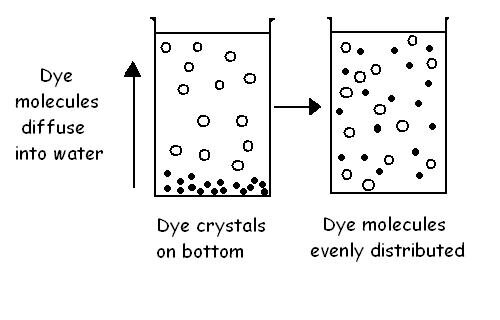
At each step, the image becomes a little grainier and less distinct. If you repeat this process hundreds or even thousands of times, the original image becomes completely unrecognizable. What's left is pure, patternless noise, often called Gaussian noise. The key is that this degradation is gradual and controlled. The model gets to observe the entire journey from a clear image to static.
The Reverse Process: Learning to Denoise
The real magic happens in the reverse process. This is where the AI learns its skill. The model is trained to look at a noisy image from any step in the forward process and predict the noise that was added to it. By subtracting this predicted noise, it can effectively take one step backward, making the image slightly cleaner.
The model's goal is simple: given a noisy image, figure out the noise and remove it.
By repeating this denoising step over and over, the model can start with a completely random field of static and progressively refine it. Each step brings a little more order out of the chaos. Edges begin to form, then shapes, then textures, until a brand new, coherent image appears. This is how models like Stable Diffusion or Midjourney generate stunning pictures from seemingly nothing.
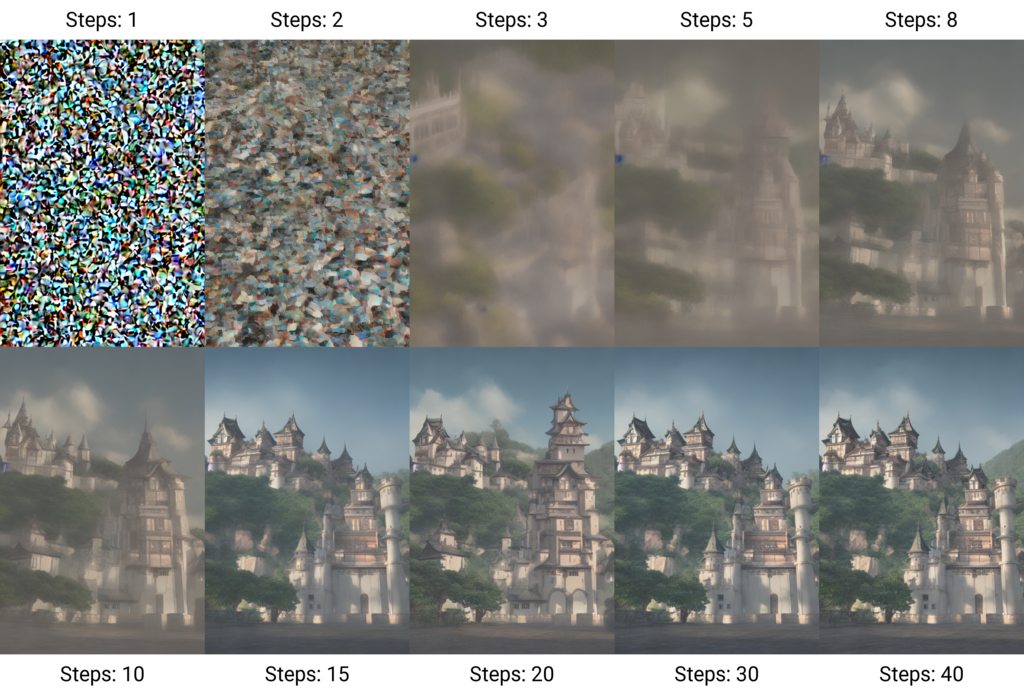
This step-by-step refinement process is why diffusion models are so good at creating high-quality, detailed images. Instead of trying to generate a complex picture in one go, they build it up gradually, allowing for incredible nuance and realism.
Now that we've covered the basic principles, let's test your understanding.
What is the fundamental task a diffusion model is trained to perform?
The 'forward process' in a diffusion model involves taking a clean image and systematically adding random noise to it.
Understanding how diffusion models turn noise into art is the first step. This foundational concept powers some of the most advanced generative AI available today.