Diesel Engine Sensors Explained
Diesel Engine Basics
How Diesels Work
Unlike the gasoline engine in most cars, a diesel engine doesn't use a spark plug to ignite its fuel. Instead, it relies on the simple principle that when you compress a gas, it gets hot. Very hot.
The process happens in a four-step cycle, often called a four-stroke cycle. Each step corresponds to one movement of a piston inside a cylinder.
No spark plug is needed. The magic happens with just air, extreme pressure, and a perfectly timed spray of fuel.
The Parts of the Puzzle
Several key components work together to make this cycle happen. While a diesel engine has hundreds of parts, a few are central to its operation.
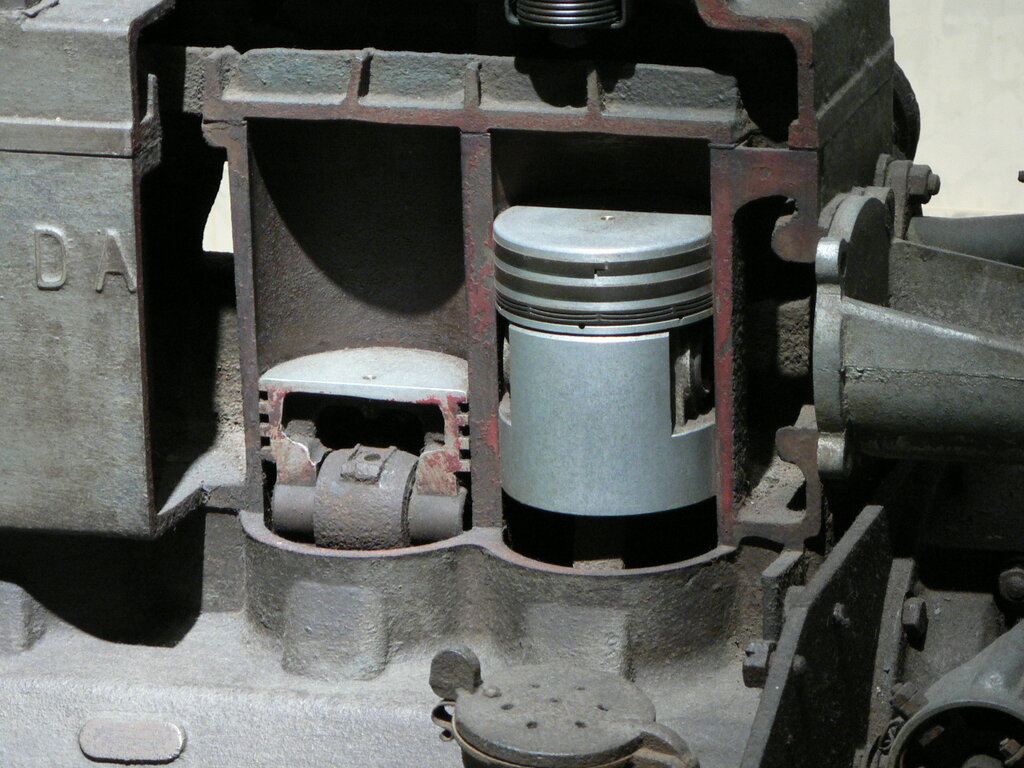
The cylinder block is the main body of the engine, containing the cylinders where the action takes place. Inside each cylinder, a piston moves up and down. It's connected by a connecting rod to the crankshaft, which converts the piston's linear motion into the rotational force that ultimately turns the wheels.
Sealing the top of the cylinder block is the cylinder head. This is a complex part that holds the intake and exhaust valves, which open and close to let air in and exhaust out. Most importantly for a diesel, it also holds the fuel injector.
The fuel injector is a precision instrument. It sprays a fine mist of diesel fuel into the cylinder at incredibly high pressure, ensuring it mixes with the hot air and ignites instantly.
The Engine's Nervous System
A modern diesel engine isn't just a mechanical beast; it's also a highly sophisticated electronic system. Dozens of sensors constantly monitor everything from the engine's speed to the temperature of the exhaust gas. Think of these sensors as the engine's nerve endings.
They feed a constant stream of information to the engine's central computer, called the Engine Control Unit (ECU). The ECU is the brain. It analyzes data from the sensors to make split-second adjustments to things like fuel injection timing and quantity.
Why is this constant monitoring so important?
- Performance and Efficiency: By precisely controlling the combustion process, the ECU ensures the engine is producing the most power possible while using the least amount of fuel.
- Emissions Control: Sensors measure the composition of the exhaust gases. This allows the ECU to adjust engine parameters to minimize harmful pollutants, helping the vehicle meet strict environmental regulations.
- Durability: Sensors can detect problems before they become catastrophic failures. If the oil pressure is too low or the engine is overheating, the ECU can warn the driver or even limit the engine's power to prevent damage.
Without this network of sensors, a modern diesel engine couldn't run as cleanly, efficiently, or reliably as it does. They are the unseen heroes that keep everything in perfect balance.