Diabetes Explained
Introduction to Diabetes
What Is Diabetes?
Diabetes is a chronic health condition that affects how your body turns food into energy. Most of the food you eat is broken down into sugar, also called glucose, and released into your bloodstream. When your blood sugar goes up, it signals your pancreas to release a hormone called insulin.
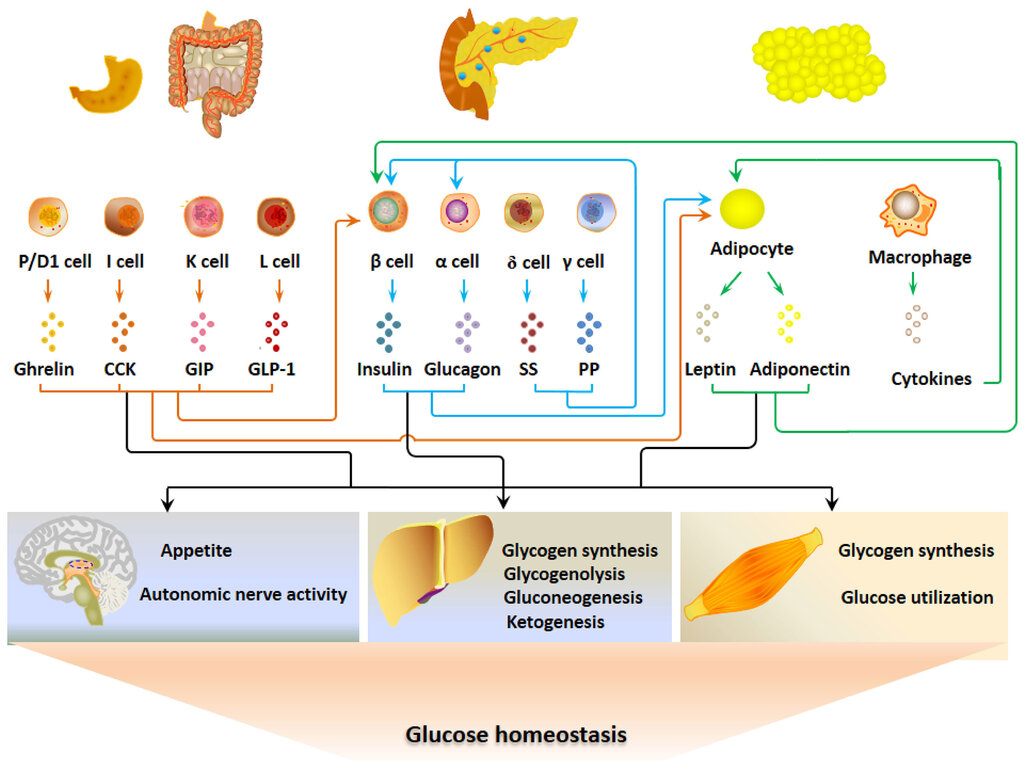
Insulin acts like a key, letting the blood sugar into your body’s cells to be used as energy. If you have diabetes, your body either doesn’t make enough insulin or can’t use the insulin it makes as well as it should. When there isn’t enough insulin or cells stop responding to it, too much blood sugar stays in your bloodstream. Over time, that can cause serious health problems.
Diabetes
noun
A group of metabolic diseases characterized by high blood sugar levels resulting from defects in insulin secretion, insulin action, or both.
A Global Health Concern
Diabetes is not just a personal health issue; it's a global one. Hundreds of millions of people are living with diabetes worldwide, and that number continues to grow each year. This rise places a significant strain on healthcare systems and economies.
The World Health Organization estimates that diabetes was the direct cause of 1.5 million deaths in 2019.
The widespread impact of diabetes makes it a critical public health priority. Understanding the basics is the first step for individuals and communities to better manage and prevent the condition.
The Main Types of Diabetes
Diabetes isn't a single disease. The term refers to several different conditions, each with unique characteristics. The three most common types are Type 1, Type 2, and gestational diabetes.
| Type | Key Feature | Prevalence |
|---|---|---|
| Type 1 | The body's immune system attacks and destroys the cells that produce insulin. | About 5-10% of cases |
| Type 2 | The body does not use insulin properly. This is called insulin resistance. | About 90-95% of cases |
| Gestational | Develops in pregnant people who have never had diabetes. | Varies by population |
Type 1 diabetes is an autoimmune condition. The body mistakenly attacks itself, destroying the insulin-producing cells in the pancreas. People with Type 1 need to take insulin every day to survive. It's usually diagnosed in children and young adults, but it can appear at any age.
Type 2 diabetes is the most common form. With Type 2, the body doesn't use insulin well. While the pancreas still produces insulin, it's not enough to keep blood glucose at normal levels. This type is often linked to lifestyle factors and genetics and usually develops in adults, though it's becoming more common in younger people.
Gestational diabetes occurs during pregnancy. The hormonal changes of pregnancy can make it harder for the body to use insulin effectively. It usually goes away after the baby is born, but it increases the risk for both mother and child to develop Type 2 diabetes later in life.
Now let's check your understanding of these fundamental concepts.
What is the primary role of insulin in the body?
Which type of diabetes is an autoimmune condition where the body attacks and destroys its insulin-producing cells?
Knowing the basics of diabetes is a powerful tool for managing health, whether for yourself or a loved one.