DevSecOps Fundamentals
Introduction to DevSecOps
Security as a Team Sport
In traditional software development, security was often treated like a final exam. Developers would build a product, and just before release, a separate security team would swoop in to find all the flaws. This created a bottleneck. Finding and fixing problems at the very end is slow, expensive, and stressful. It's like building an entire house and only then checking if the foundation is solid.
DevSecOps changes this by integrating security into every step of the development process, making it a shared responsibility from start to finish.
The name itself is a combination of Development, Security, and Operations. It’s a cultural shift that says everyone on the team is responsible for security. Instead of a final checkpoint, security becomes an ongoing conversation.
The Journey to DevSecOps
This approach didn't appear overnight. It's the latest step in a long evolution of how we build software.
Originally, teams used a rigid, sequential model. Each phase, from design to development to testing, had to be completed before the next could begin. This was slow and inflexible.
Then came Agile, which broke big projects into smaller, manageable cycles. This helped teams adapt to change more quickly. Following that, DevOps emerged to break down the walls between development (Dev) and operations (Ops) teams. By combining their workflows, they could build, test, and release software faster and more reliably.
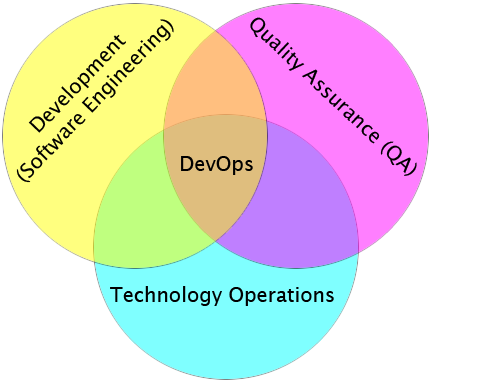
DevSecOps is the natural next step. It recognizes that in a world of rapid releases, you can't just tack security on at the end. You have to build it in from the beginning. It inserts security into the DevOps framework, creating a seamless, secure workflow.
DevSecOps integrates security into every phase of the entire software development lifecycle (SDLC), ensuring security is a shared responsibility rather than an afterthought.
Key Principles
Three core ideas power the DevSecOps approach.
Shift Left
other
The practice of moving security checks and considerations as early as possible in the development lifecycle.
The mantra of DevSecOps is to "shift left." This means addressing security from the very start of a project, not waiting until the end. It’s about finding and fixing potential security issues during the design and coding phases, where they are much easier and less costly to resolve. The earlier you find a problem, the better.
Automation is the second key principle. Instead of relying on manual security reviews, DevSecOps uses automated tools to scan code, detect vulnerabilities, and monitor systems continuously. This makes security fast, consistent, and scalable.
Finally, collaboration is essential. DevSecOps fosters a culture where developers, security specialists, and operations staff work together. They share knowledge, tools, and responsibility. Security is no longer one team's job; it's everyone's.
Why It Matters
Adopting DevSecOps brings significant benefits. The most obvious is faster delivery of more secure software. By integrating security into the automated pipeline, teams can release new features quickly without sacrificing safety. It removes the security bottleneck that used to slow everything down.
It also improves compliance. Many industries have strict security and data protection regulations. With automated checks and continuous monitoring built into the development process, proving compliance becomes much simpler. You have a clear, auditable trail showing that security measures are in place at every stage.
Ultimately, DevSecOps helps build better, safer products for users while allowing the business to innovate at a faster pace.
Ready to test what you've learned about the foundations of DevSecOps?
What is the primary problem with the traditional 'final exam' approach to software security?
The term DevSecOps is a combination of which three disciplines?
By understanding these core concepts, you're on your way to appreciating how modern software is built with security at its heart.