DevSecOps for Real-Time Projects
Introduction to DevSecOps
What is DevSecOps?
Traditionally, building software was a lot like an assembly line. Developers wrote code, then passed it to testers, who then passed it to an operations team to release it. Security was often the last step, a final inspection before the product went out the door. This often created bottlenecks and last-minute scrambles.
DevSecOps changes that. It's a cultural shift that weaves security into every single stage of the software development lifecycle (SDLC). The idea is simple but powerful: make security a shared responsibility from day one, not an afterthought.
DevSecOps integrates security into every phase of the entire software development lifecycle (SDLC), ensuring security is a shared responsibility rather than an afterthought.
Instead of a final security gate, security becomes a guardrail that guides the entire process. It’s the difference between adding an alarm system to a house after it’s built versus designing the house with secure locks, reinforced doors, and a fire suppression system integrated into the blueprints.
From Silos to Collaboration
To understand DevSecOps, you first need to understand DevOps. For a long time, software development (Dev) and IT operations (Ops) worked in separate silos. Developers wanted to push out new features quickly, while operations teams prioritized stability. This friction often slowed everything down.
DevOps emerged to break down those walls, merging Dev and Ops into a single, collaborative workflow focused on automation and speed.
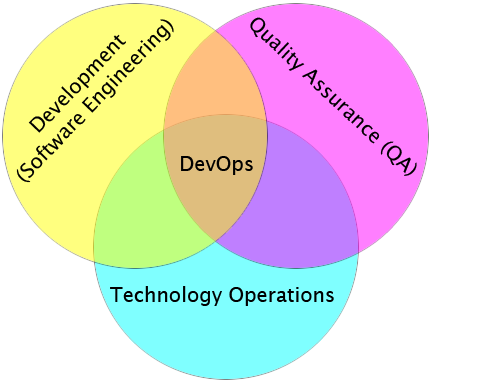
DevSecOps is the next logical step in this evolution. It recognizes that in a world of rapid releases, you can't leave security behind. It integrates the security team (Sec) into the DevOps framework, creating a partnership where everyone is responsible for delivering secure, high-quality software quickly.
Core Principles
Three key principles are at the heart of DevSecOps.
Shift-Left Security This is the core mantra of DevSecOps. 'Shifting left' means moving security practices as early as possible in the development process. Instead of waiting for a final security review, you build security checks directly into the coding, building, and testing phases.
Why is this better? Finding and fixing a security vulnerability during the coding phase is exponentially cheaper and faster than fixing it after the application has been deployed to thousands of users.
Automation You can't 'shift left' and maintain speed without automation. DevSecOps relies on automating repetitive security tasks. This includes automatically scanning code for vulnerabilities, checking for insecure configurations, and running security tests every time code is updated. Automation provides fast feedback to developers, allowing them to fix issues on the spot.
Automation is at the core of DevSecOps.
Collaboration DevSecOps is fundamentally about culture. It breaks down the final silo between security teams and development/operations teams. Security is no longer the sole responsibility of a separate group. Instead, it's a collective effort. Developers learn to write more secure code, operations teams learn to maintain secure infrastructure, and security experts act as mentors and guides rather than gatekeepers.
The Benefits
Adopting a DevSecOps approach brings significant advantages. By integrating security from the start, teams can deliver software that is not only built faster but is also more resilient and secure.
- Improved Software Quality: Catching security flaws early means a more robust and secure final product.
- Faster Delivery: Automating security checks removes manual bottlenecks, allowing teams to release updates more frequently and reliably.
- Enhanced Security Posture: Proactive, continuous security monitoring reduces the risk of breaches and helps teams respond to threats more quickly.
- Reduced Costs: As mentioned, fixing a vulnerability early in the cycle is far less expensive than patching it in a live production environment.
Ultimately, DevSecOps transforms security from a barrier to an enabler of speed and innovation.
What is the primary cultural shift introduced by DevSecOps?
In the context of DevSecOps, security is best described as a _______ that guides development, rather than a final _______ that blocks it.