DevOps Fundamentals
Introduction to DevOps
What Is DevOps?
Think about building a new product. One team designs it, and another team is responsible for running and maintaining it after it's built. Traditionally, these two teams—development (Dev) and operations (Ops)—worked separately. The Dev team would build the software and then hand it off to the Ops team. This handoff often created friction, delays, and misunderstandings.
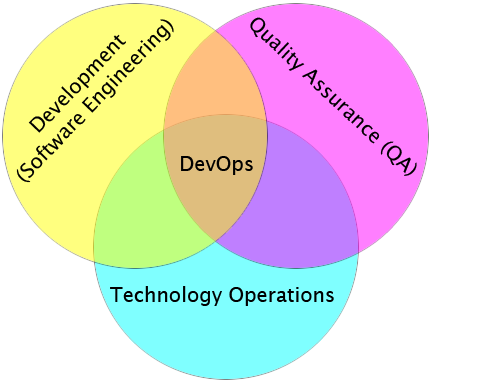
DevOps bridges this gap. It's not a specific tool or a job title, but a combination of cultural philosophies, practices, and tools aimed at shortening the development lifecycle and providing continuous delivery of high-quality software.
DevOps (a portmanteau of “development” and “operations”) is an approach to IT delivery that combines people, practices and tools to break down silos between development and operations teams.
By bringing Dev and Ops together, organizations can build, test, and release software faster and more reliably. The goal is to create a seamless flow from an idea all the way to the end user, and then use feedback from that user to make the product even better.
A Shift in Culture
While new tools and technologies are part of the DevOps world, the most important change is cultural. It's a fundamental shift in how teams think and work together. Instead of operating in isolated silos, teams take shared ownership of the software they create. Developers don't just write code; they think about how it will run in a real-world environment. Operations teams don't just maintain systems; they provide feedback to developers to improve the product.
Takeaway: DevOps is as much about culture as it is about tech.
This cultural change fosters an environment of mutual respect and trust. When something goes wrong, the focus isn't on placing blame but on understanding the problem and figuring out how to prevent it from happening again. This move from finger-pointing to collective problem-solving is at the heart of a successful DevOps culture.
The Core Principles
The DevOps culture is built on a few key principles that guide how teams work. Understanding these ideas is the first step to putting DevOps into practice.
Collaboration Everything starts with collaboration. DevOps breaks down the walls between teams, encouraging constant communication and shared responsibility throughout the entire software lifecycle. This isn't just about developers and operations; it includes quality assurance, security, and even business teams. Everyone works together toward a common goal.
This close alignment ensures that everyone is on the same page, which helps catch issues earlier, speeds up development, and results in a better final product.
Automation Automation is about making processes faster, more consistent, and less prone to human error. In DevOps, teams automate repetitive tasks like building code, running tests, and deploying software. By letting machines handle the routine work, people can focus their energy on creative problem-solving and innovation.
The foundation of DevOps is automation, which improves efficiency across the software development lifecycle (SDLC) by automating repetitive processes.
Continuous Improvement A core tenet of DevOps is the idea that there's always room to get better. Teams constantly look for ways to improve their processes, tools, and products. This involves collecting data, getting feedback, and learning from both successes and failures. It's a cycle of building, measuring, and learning that drives incremental progress over time.
Continuous learning is a critical component of DevOps.
Customer-Centric Action Ultimately, DevOps is about delivering value to the customer. By releasing smaller updates more frequently, teams can get feedback from real users faster. This feedback loop allows them to quickly adapt to changing needs and ensure they are building a product that people actually want and use. The focus is always on the end-user's experience.
These principles work together to create a dynamic, efficient, and responsive development process. It's a modern approach that helps organizations thrive in a fast-paced world.