DevOps Fundamentals
Introduction to DevOps
What Is DevOps?
Think of a traditional software company. Often, you'll find two teams working separately. The development team (Dev) writes new code and builds features. The operations team (Ops) makes sure that code runs smoothly for customers. In the past, these two teams rarely talked. Dev would finish their work and toss it over a wall to Ops, who then had to figure out how to deploy and maintain it. This often led to delays, bugs, and a lot of frustration.
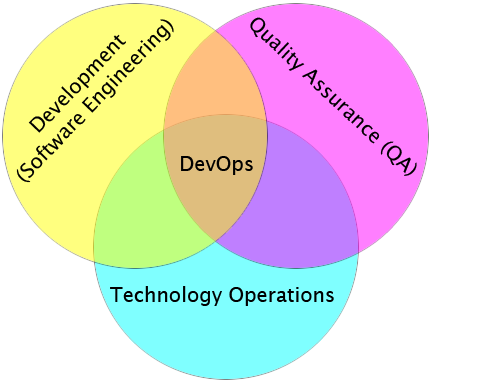
DevOps changes this dynamic. The term itself is a blend of "development" and "operations." It's a philosophy and a set of practices that bring these teams together, encouraging them to collaborate throughout the entire software lifecycle, from development and testing to deployment and maintenance.
This sentiment captures the essence of DevOps – a set of practices and cultural shifts that bridge the gap between development and operations teams, fostering collaboration and shared responsibility throughout the software development lifecycle.
By breaking down the walls, or silos, between teams, DevOps helps organizations build and release software faster and more reliably.
Core Principles
DevOps isn't a strict rulebook, but a mindset built on a few key principles. These principles guide teams to work more effectively together.
Collaboration: At its heart, DevOps is about teamwork. Developers, operations staff, quality assurance testers, and even security experts work together from start to finish. They share goals and responsibility for the product's success.
Automation: Repetitive, manual tasks are prone to human error and slow things down. DevOps emphasizes automating as much of the software delivery process as possible, from building and testing code to deploying it to production. This frees up people to focus on more creative and complex problems.
Continuous Integration and Delivery (CI/CD): This is a direct result of automation. Developers regularly merge their code changes into a central repository, after which automated builds and tests are run. This is Continuous Integration. Continuous Delivery extends this by automatically deploying all code changes to a testing environment or even to production after the build stage. This practice allows for small, frequent releases rather than large, risky ones.
Continuous Improvement: DevOps teams are always looking for ways to get better. They gather feedback, monitor performance, and learn from their mistakes to improve their processes, tools, and collaboration over time.
A Shift in Culture
Adopting DevOps is more than just implementing new tools. It requires a fundamental shift in an organization's culture. You can't just buy a "DevOps tool" and expect everything to change. It's about changing how people think and work.
DevOps is not just a set of tools; it's a cultural shift.
This cultural change involves a few key elements:
- Breaking Down Silos: Teams can no longer operate in isolation. Communication becomes open and frequent. Instead of blaming each other when something goes wrong, teams work together to find a solution.
- Shared Ownership: Everyone on the team is responsible for the product's quality and stability. A developer's job isn't done when the code is written; they are also responsible for how it runs in production.
- Embracing Failure: In a DevOps culture, failures are seen as opportunities to learn. Instead of punishing mistakes, teams analyze them to prevent them from happening again. This encourages experimentation and innovation without fear.
The Benefits of DevOps
When organizations successfully adopt DevOps, the results can be transformative. The primary benefits directly address the challenges of traditional software development.
| Benefit | How DevOps Helps |
|---|---|
| Faster Time to Market | By automating the build, test, and deployment process, new features reach customers much faster. |
| Improved Quality | Frequent, smaller releases are easier to test and debug. Continuous integration catches bugs early in the cycle. |
| Increased Reliability | With infrastructure managed as code and automated testing, deployments are more consistent and predictable. |
| Better Collaboration | When teams share goals and communicate openly, morale improves and innovation flourishes. |
Ultimately, DevOps helps businesses become more agile and responsive to customer needs, giving them a significant competitive advantage.
What is the primary goal of the DevOps philosophy?
The practice of regularly merging code changes into a central repository, after which automated builds and tests are run, is known as:
By focusing on culture, collaboration, and automation, DevOps provides a powerful framework for building and delivering software in the modern age.