DevOps Fundamentals
Introduction to DevOps
Bridging the Gap
In traditional software development, two teams often work in separate worlds. The development team (Dev) writes new code to build features. The operations team (Ops) makes sure that code runs smoothly for users. When Dev finishes a new feature, they essentially toss it over a wall to Ops, who then has to figure out how to deploy and maintain it.
This separation can cause friction. Developers want to release new features quickly, while operations prioritizes stability. If something breaks, fingers get pointed. The result is slower releases, more bugs, and frustrated teams. DevOps is a set of practices and a cultural philosophy designed to tear down that wall.
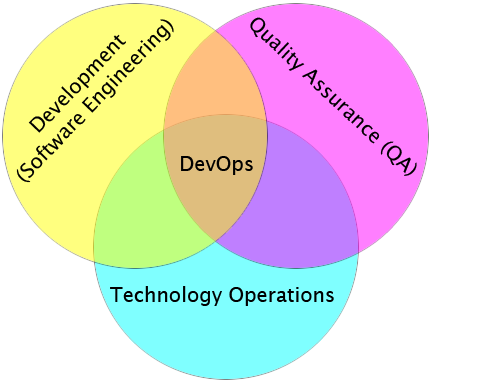
DevOps is a set of practices intended to reduce the friction between the software development (Dev) and the IT operations (Ops), resulting in higher quality software and a shorter development lifecycle.
At its core, DevOps brings Dev and Ops together. Instead of being two separate groups, they work as a single, cohesive team throughout the entire software lifecycle, from initial design to final deployment and maintenance. This shared ownership encourages communication and collaboration.
Core Principles in Action
Several key principles make DevOps work. These aren't just technical tricks; they represent a fundamental shift in how teams think about building software.
Collaboration is the foundation. Teams use shared tools and regular communication to stay aligned. Everyone is responsible for the software's success, from the first line of code to the user's experience.
Automation is another pillar. Repetitive, manual tasks are prone to human error and slow things down. DevOps teams automate as much as possible, including testing code, deploying new versions, and setting up servers. This frees up people to focus on more complex problems and ensures consistency.
This leads directly to Continuous Integration and Continuous Delivery (CI/CD). Instead of bundling many changes into one big, risky release, developers merge their code into a shared repository several times a day (Continuous Integration). Every change automatically triggers a build and a series of tests. If the tests pass, the change can be automatically released to users (Continuous Delivery). This practice makes releases small, frequent, and much less stressful.
Finally, DevOps incorporates monitoring and security from the very beginning. Instead of waiting for users to report problems, teams constantly monitor the application's performance and health. Security isn't an afterthought; it's integrated into every step of the development process, a practice often called DevSecOps.
Why It Matters
Adopting DevOps isn't just about making developers and operations staff happier. It has a direct impact on the business. Teams that practice DevOps can deliver value to customers much faster. They can experiment with new ideas, get feedback, and adapt quickly to market changes.
The quality and reliability of the software also improve. By automating tests and making small, incremental releases, teams catch bugs earlier and can fix them more easily. When issues do occur in production, the collaborative culture means the entire team swarms to solve the problem, reducing downtime and improving the user experience. This leads to more stable operating environments and more time for innovation.
Ready to check your understanding?
What is the primary cultural shift that DevOps promotes?
The practice of frequently merging code changes into a central repository, where each merge triggers an automated build and test, is known as:
Ultimately, DevOps is a journey of continuous improvement, helping organizations build and deliver better software, faster.