DevOps Fundamentals
Introduction to DevOps
What is DevOps?
In traditional software companies, two teams often exist in separate worlds. The development team writes the code, building new features and fixing bugs. The operations team makes sure that code runs smoothly for customers. When developers finish their work, they essentially throw it over a wall to the operations team to handle.
This handoff can be messy. The code might work perfectly on a developer's computer but fail on the live servers. When problems arise, fingers get pointed. Developers blame the server environment, and operations blames the new code. This friction slows everything down and leads to frustration.
DevOps is a philosophy designed to tear down that wall. It's a set of practices that combines software development (Dev) and IT operations (Ops) into a single, unified team.
DevOps brings together developers and IT operations to create better software faster.
Instead of working in separate silos, both groups collaborate throughout the entire software lifecycle, from the first line of code to the final deployment and maintenance. The goal is to shorten the development cycle, deliver higher quality software, and respond to customer needs more quickly.
The Benefits of Collaboration
Adopting a DevOps approach brings significant advantages. By removing the friction between development and operations, companies can release updates much more frequently and reliably.
Key benefits include:
- Speed: When teams work together, the entire process of building, testing, and releasing software becomes faster. Automated processes handle repetitive tasks, freeing up people to focus on creating value.
- Reliability: Developers gain a better understanding of the production environment, and operations provides feedback early in the development process. This shared ownership leads to more stable and reliable systems.
- Improved Collaboration: DevOps fosters a culture of mutual respect and shared responsibility. Communication is constant, which breaks down barriers and aligns everyone toward the same business goals.
- Scalability: DevOps practices help manage and operate infrastructure more efficiently, making it easier to scale systems up or down as needed.
A Shift in Culture
While tools are important, DevOps is fundamentally a cultural shift. You can't just buy a piece of software and call yourself a DevOps organization. It requires a change in mindset, from individual responsibilities to shared ownership.
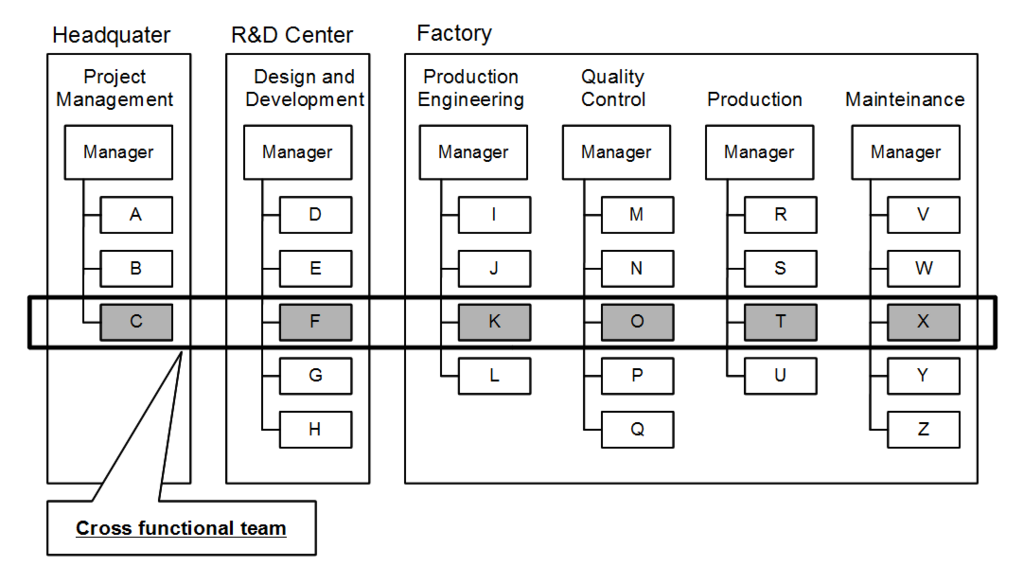
In a DevOps culture, everyone is responsible for the product's success. Developers don't just write code; they think about how it will be deployed and maintained. Operations teams don't just manage servers; they get involved in the development process to ensure the final product is stable and secure.
The core principles are collaboration, shared responsibility, and a commitment to continuous improvement. Teams are always looking for ways to make their processes better, faster, and more efficient.
This cultural change is often the hardest part of adopting DevOps, but it's also the most critical for long-term success. It means breaking old habits and embracing a new way of working together.
Ready to check your understanding? Let's see what you've learned about the fundamentals of DevOps.
What is the core problem that the DevOps philosophy was created to solve?
Which of the following best describes DevOps?
By bridging the gap between development and operations, DevOps helps teams build better products faster, creating a more agile and responsive organization.