DevOps Fundamentals
Introduction to DevOps
What is DevOps?
Imagine a restaurant where the chefs and the waiters never speak to each other. The chefs cook whatever they want, and the waiters have to figure out how to serve it. The result? Cold food, confused customers, and a lot of frustration. For a long time, this is how software was built. One team, the developers (Dev), would build the software. Then they'd “throw it over the wall” to another team, the operations (Ops) team, to run and maintain it.
This created a natural conflict. The Dev team wanted to release new features quickly, while the Ops team wanted to keep everything stable and running smoothly. Change was the enemy of stability.
DevOps is a cultural philosophy that tears down that wall. It's a set of practices that combines software development and IT operations to shorten the development life cycle and provide continuous delivery with high software quality. The goal is for a single team to own the entire process, from writing the code to deploying it and maintaining it in production.
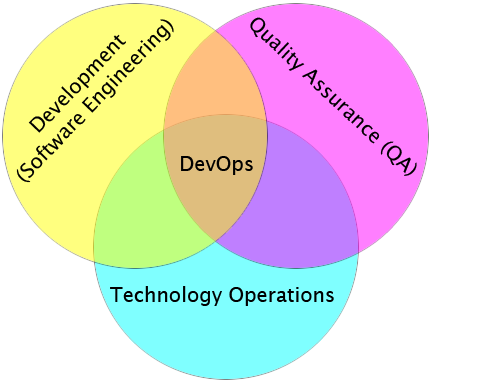
This idea evolved from Agile software development. Agile principles helped teams build software in small, rapid cycles. But there was still a bottleneck when it came time to release the software to the world. DevOps extends those Agile ideas all the way to the end user, creating a smooth, continuous flow.
The Core Principles
DevOps isn't about a specific tool or technology. It's a mindset built on a few key principles that guide how teams work together.
DevOps is not just a career path—it's a mindset of continuous improvement, collaboration, and innovation.
Collaboration This is the heart of DevOps. Instead of working in separate, isolated teams, or "silos," everyone involved in delivering the software works together. This includes developers, operations engineers, quality assurance, security experts, and even business stakeholders. They share a common goal: delivering value to the customer. This shared ownership fosters better communication and breaks down the "us vs. them" mentality.
silo
noun
An isolated system, process, or department that operates without communicating or sharing information with others in the same organization.
Automation DevOps teams automate as much as possible. Repetitive, manual tasks are slow and prone to human error. By automating processes like building, testing, and deploying software, teams can move faster and more reliably. Automation creates a consistent and repeatable process, which builds confidence and frees up engineers to focus on creating new features and solving complex problems.
The rule of thumb is: if you have to do something more than twice, you should probably automate it.
Continuous Improvement Nothing is ever perfect. A core tenet of DevOps is the idea of constantly looking for ways to get better. Teams regularly reflect on their processes, tools, and collaboration. They gather data, measure performance, and identify bottlenecks or areas for improvement. This creates a cycle of learning and iteration, where failures are seen not as mistakes, but as opportunities to learn and strengthen the system.
Customer-Centric Action Ultimately, the goal of building software is to deliver value to a customer. DevOps keeps the customer at the center of the process. By releasing small updates frequently, teams can get fast feedback from real users. This feedback loop allows them to quickly understand what's working and what isn't, and to adjust their priorities accordingly. The focus is on the impact of the work, not just the completion of a task.
End-to-End Responsibility A DevOps team doesn't just write the code; they are responsible for it throughout its entire lifecycle. This concept is often summarized as "You build it, you run it." When developers are also responsible for operating their code in production, they are more motivated to write high-quality, reliable, and maintainable software. This ownership mentality leads to better products and fewer issues for the end user.
Time to review what you've learned.