DevOps Fundamentals
Introduction to DevOps
Breaking Down the Wall
In many traditional software companies, there's an invisible wall. On one side, you have the Development team (Dev), who write new code and create new features. On the other side, you have the Operations team (Ops), who make sure the software runs smoothly for customers.
Historically, these two teams have had different goals. Developers want to release new features quickly. Operations wants to maintain stability and avoid outages. This conflict often leads to a “wall of confusion,” where each team blames the other when things go wrong. Dev throws code over the wall, and Ops has to figure out how to make it work. This process is slow, inefficient, and stressful for everyone involved.
DevOps emerged as a way to tear down this wall and get everyone working together toward the same goal: delivering high-quality software to users, fast.
So, what exactly is it?
DevOps
noun
A set of practices, tools, and a cultural philosophy that automates and integrates the processes between software development and IT operations teams. It emphasizes collaboration and communication.
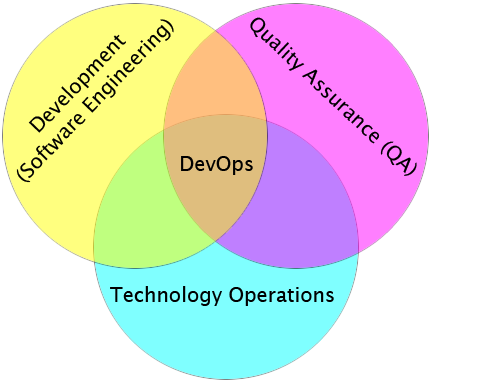
The name itself is a combination of "Development" and "Operations." The goal is to create a single, unified team that shares responsibility for the entire software lifecycle, from writing the first line of code to making sure it runs perfectly for the end-user.
The Core Principles
DevOps isn't a specific tool you can buy or a single process you can implement overnight. It's a cultural shift guided by a few core principles. A popular way to remember them is with the acronym CAMS.
| Principle | Description |
|---|---|
| Culture | Fostering collaboration, shared ownership, and trust between teams. |
| Automation | Using tools to automate repetitive tasks like building, testing, and deploying software. |
| Measurement | Collecting data on performance to find bottlenecks and make improvements. |
| Sharing | Ensuring feedback and knowledge flow freely across the entire team. |
Culture is the most important piece of the puzzle. Without a willingness to break down silos and work together, no amount of fancy automation will help. Everyone on the team, from developers to system administrators, needs to feel responsible for the product's success. This shared ownership is the foundation of a healthy DevOps environment.
Why Bother?
Adopting a DevOps culture brings significant benefits to an organization. When teams collaborate effectively and automate their processes, they can move much faster and more reliably.
Key benefits include:
- Speed: Teams can release new features and fix bugs more quickly, giving them a competitive edge.
- Reliability: With automated testing and continuous monitoring, the quality of the software improves, leading to fewer failures in production.
- Improved Collaboration: A shared sense of purpose boosts team morale and creates a more positive and productive work environment.
- Security: By integrating security practices into the development process from the beginning, teams build more secure software.
DevOps is a set of practices that combines software development (Dev) and IT operations (Ops) to shorten the software development lifecycle, deliver features, fixes, and updates frequently in close alignment with business objectives.
Ultimately, DevOps allows organizations to respond to customer needs more effectively. Instead of long, risky release cycles, teams can deliver value in small, incremental steps, learning and adapting as they go.
What is the 'wall of confusion' in a traditional software development environment?
Which statement best describes the core nature of DevOps?
DevOps is more than just a buzzword; it's a fundamental change in how teams build and deliver software. By focusing on culture, collaboration, and continuous improvement, organizations can create better products faster.