DevOps Fundamentals
Introduction to DevOps
What is DevOps?
At its heart, DevOps is a simple idea. It combines two words: Development (Dev) and Operations (Ops). It’s a cultural philosophy that brings these two traditionally separate teams together to work as one.
DevOps is a set of practices that combines software development (Dev) and IT operations (Ops) to shorten the software development lifecycle, deliver features, fixes, and updates frequently in close alignment with business objectives.
Think of it as a shift in mindset. Instead of development building the software and operations running it, DevOps encourages a shared sense of ownership throughout the entire process. This collaboration aims to make the process of building, testing, and releasing software faster and more reliable.
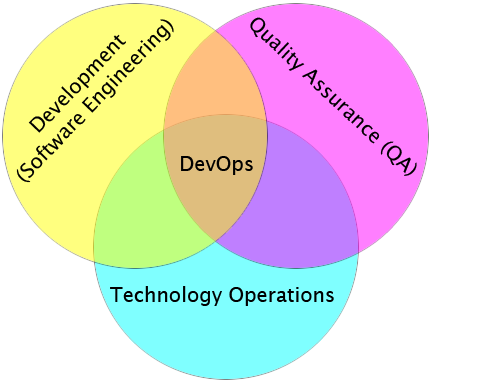
This movement started around 2008. Developers and operations engineers grew frustrated with the old way of doing things, where teams worked in separate silos. They realized that by collaborating more closely, they could deliver better software to users much more quickly.
The Old Way
To understand why DevOps is important, it helps to look at what it replaced. Traditionally, software was built using a "waterfall" model. The process was linear: plan, build, test, and then release. Each step was handled by a different team, and one phase had to be completely finished before the next one could begin.
Development teams would write code for weeks or months. When they were done, they would hand it over to the Operations team. This handover was often called "throwing it over the wall."
This created a natural conflict. The Development team's goal was to create and ship new features. The Operations team's goal was to keep the systems stable and running smoothly. New features often introduce bugs and instability, so the two goals were at odds.
This led to slow release cycles, last-minute problems, and a lot of finger-pointing when things went wrong. The business wanted to move fast, but the process itself was slow and full of friction.
A Better Approach
DevOps changes the game by breaking down these walls. Instead of separate teams with competing goals, DevOps creates a single, unified team responsible for the software from start to finish. This shared responsibility is the core of the DevOps culture.
The main goals are to dramatically shorten the software development lifecycle and deliver high-quality software continuously.
The purpose of DevOps is not just about tools or automation. It's about connecting people in an organization to better serve their users and customers.
By adopting this collaborative approach, organizations see significant benefits. They can respond to market changes faster, improve the customer experience, and become more efficient. Here’s a quick comparison:
| Feature | Traditional Model | DevOps Model |
|---|---|---|
| Teams | Siloed (Dev, Ops, QA) | Cross-functional, collaborative |
| Releases | Infrequent, large batches | Frequent, small updates |
| Responsibility | Passed from team to team | Shared ownership ("You build it, you run it") |
| Goal | Departmental success | Product success |
| Speed | Slow and unpredictable | Fast and continuous |
Ultimately, DevOps isn't a specific tool you can buy or a job title you can assign. It's a fundamental change in how a technology organization works, focusing on collaboration, communication, and automation to deliver value more effectively.
What is the core cultural philosophy of DevOps?
In a traditional "waterfall" model, what was the primary source of conflict between Development and Operations teams?