DevOps for Experienced Developers
Introduction to DevOps
What is DevOps?
In the world of software, there used to be a big wall. On one side, developers were busy writing new code and creating features. On the other, the operations team was responsible for keeping everything stable and running smoothly. Developers wanted to push out new things quickly, while operations prized stability above all else. This often led to friction, delays, and a lot of finger-pointing when things went wrong.
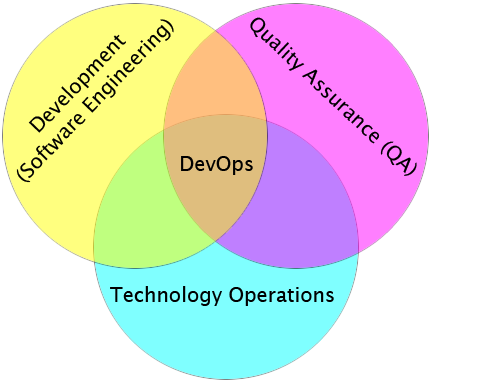
DevOps is the culture, automation, and set of practices that tears down that wall. It’s not a specific tool or a job title, but a philosophy that brings development (Dev) and operations (Ops) teams together. The goal is to shorten the software development lifecycle and deliver high-quality software more frequently and reliably.
DevOps
noun
A set of practices that combines software development (Dev) and IT operations (Ops) to shorten the systems development life cycle while delivering features, fixes, and updates frequently in close alignment with business objectives.
The idea grew out of the Agile software development movement. While Agile helped developers build software in smaller, faster cycles, it didn't always solve the problem of getting that software into the hands of users. DevOps extends those principles to cover the entire delivery pipeline, from writing the first line of code to running it in a live environment.
The Core Principles
DevOps stands on a few key ideas that guide how teams work together. Understanding them is the first step to putting DevOps into practice.
Collaboration: This is the heart of DevOps. Instead of working in separate silos, teams share ownership of the entire process. Developers think about how their code will run, and operations staff get involved early in the design phase. This shared responsibility improves communication and leads to better products.
Automation: People make mistakes, especially when doing the same tedious task over and over. DevOps emphasizes automating everything possible, from testing code to deploying it to servers. Automation reduces human error, speeds up the process, and frees people to focus on more creative, valuable work.
DevOps practices enable software development (dev) and operations (ops) teams to accelerate delivery through automation, collaboration, fast feedback, and iterative improvement.
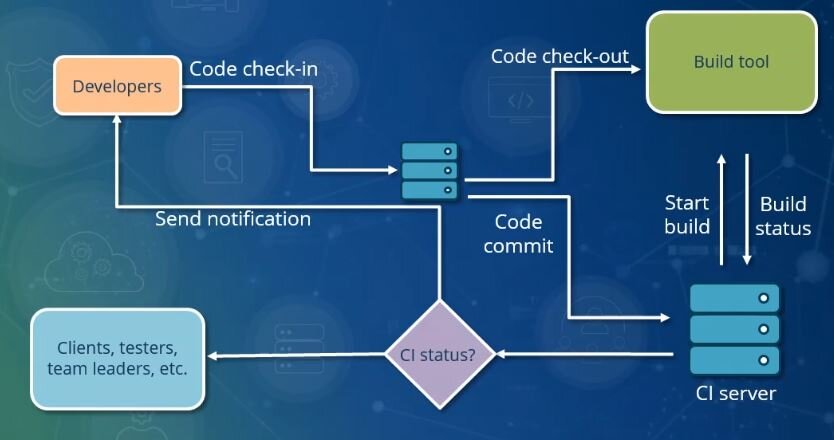
Continuous Integration (CI): This is a practice where developers regularly merge their code changes into a central repository. After each merge, an automated build and test process runs. CI helps find and fix bugs quickly, improves software quality, and reduces the time it takes to validate and release new updates.
Continuous Delivery (CD): Taking CI a step further, Continuous Delivery is the practice of automatically releasing every good build to a production-like environment. The goal is to ensure that you can release new changes to your customers quickly and sustainably. It makes deployments a routine, low-risk event that can be performed at any time, on demand.
Why Bother with DevOps?
Adopting DevOps isn't just about changing how teams are organized; it delivers tangible business results. By focusing on collaboration and automation, organizations can respond to market changes faster and more effectively.
| Benefit | Description |
|---|---|
| Speed | Release software more frequently, allowing you to innovate faster for your customers. |
| Reliability | Improve the quality of application updates and infrastructure changes so you can reliably deliver at a more rapid pace. |
| Scale | Operate and manage your infrastructure and development processes at scale. |
| Improved Collaboration | Build more effective teams under a DevOps cultural model, which emphasizes ownership and accountability. |
| Security | Move quickly while retaining control and preserving compliance. You can adopt a DevOps model without sacrificing security. |
Ultimately, these benefits lead to more stable operating environments, more time for innovation, and happier, more productive teams. Now, let's test your understanding of these foundational concepts.
What is the primary goal of the DevOps philosophy?
In the context of DevOps, what is Continuous Integration (CI)?
By embracing collaboration, automation, and continuous improvement, DevOps provides a powerful framework for building and delivering software in the modern world.