DevOps Engineering Fundamentals
DevOps Principles
What Is DevOps?
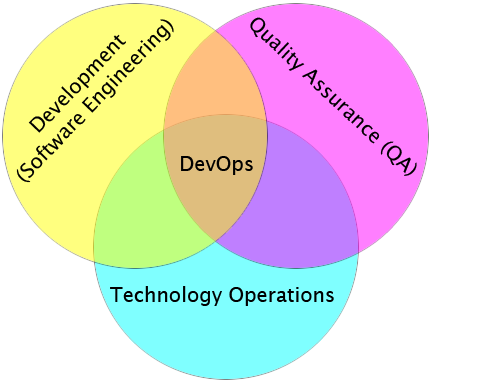
DevOps is not a tool or a piece of software. It's a fundamental change in how teams work together to build and deliver software. At its core, DevOps is a cultural philosophy that combines software development (Dev) and IT operations (Ops) to shorten the development lifecycle and provide continuous delivery of high-quality software.
DevOps is a cultural shift where teams embrace a software engineering culture, workflow, and toolset that elevates operational requirements to the same level of importance as architecture, design, and development.
Traditionally, Dev and Ops teams worked in separate silos. Developers focused on building new features and would then "throw the code over the wall" to the operations team. The Ops team, focused on stability and reliability, was often resistant to frequent changes. This created friction, delays, and a culture of blame when things went wrong.
DevOps breaks down that wall. It unites Dev and Ops into a single team with shared goals and responsibilities. The focus shifts from individual tasks to the overall value delivered to the customer. This integration ensures that everyone, from developers to system administrators, is involved throughout the entire lifecycle of a service, from design to development to production support.
The Cultural Shift
The most important part of DevOps is the cultural change. It's about fostering an environment of collaboration, communication, and mutual respect. Instead of pointing fingers when a bug is found in production, a DevOps culture encourages teams to work together to solve the problem and learn from it.
This shift involves embracing a few key ideas:
- Shared Ownership: The entire team owns the product from start to finish. A developer's job isn't done when the code is written; it's done when that code is running smoothly in production and delivering value.
- End-to-End Responsibility: Teams are accountable for their applications throughout their lifecycle. This includes not just development but also testing, deployment, and operational monitoring.
- Continuous Improvement: The process is never perfect. Teams constantly look for ways to improve their workflow, automate tasks, and deliver value more efficiently.
Core Methodologies
DevOps didn't appear out of thin air. It builds upon the principles of earlier successful methodologies, most notably Agile and Lean.
If Agile is about making software development more flexible and responsive, DevOps extends those same principles all the way to production and beyond.
Agile Methodology
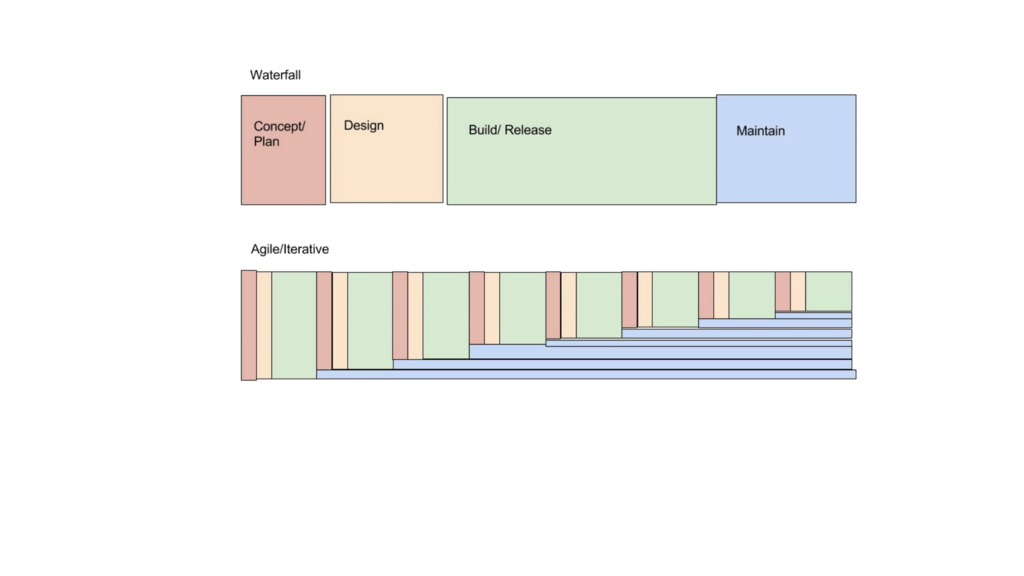
Before Agile, many teams used the "Waterfall" model. This was a rigid, sequential process where you finished one entire phase (like planning) before moving to the next (like building). This approach was slow and couldn't adapt easily to changing requirements.
Agile changed this by promoting iterative development. Work is broken down into small, manageable chunks, often called "sprints." At the end of each sprint, the team delivers a working piece of the product. This allows for constant feedback and course correction. DevOps embraces this iterative nature and extends it to the deployment and operations phases.
Lean Principles
Originating in manufacturing, Lean thinking is all about maximizing customer value while minimizing waste. In software development, "waste" can be anything that doesn't add value to the end user. This includes:
- Unnecessary features
- Manual, repetitive tasks
- Waiting for approvals or handoffs
- Bugs and defects
DevOps applies Lean principles by focusing on a smooth, efficient flow of work from idea to deployment. It emphasizes automation to eliminate manual effort and uses feedback loops to catch and fix issues early, preventing wasted time and resources.
What is the primary focus of DevOps?
In a traditional, pre-DevOps environment, what was the typical relationship between Development and Operations teams?
By combining a collaborative culture with Agile and Lean principles, DevOps creates a powerful framework for building and delivering software better and faster.