DevOps Docker and Kubernetes Essentials
Introduction to DevOps
Bridging the Gap
In traditional software development, two teams often worked in isolation. The development team (Dev) wrote the code, building new features and fixing bugs. When they finished, they'd 'throw it over the wall' to the operations team (Ops), who were responsible for deploying and maintaining the software.
This created a natural tension. Developers wanted to push new features out quickly. Operations wanted stability and reliability, which new changes often threatened. The result? Slow release cycles, miscommunication, and a lot of finger-pointing when things went wrong.
DevOps emerged to tear down this wall. It's not a specific tool or a job title, but a culture and a set of practices that bring development and operations teams together. The goal is to shorten the software development lifecycle, allowing for faster, more reliable delivery of high-quality software.
DevOps is a set of practices that combines software development (Dev) and IT operations (Ops) to shorten the software development lifecycle, deliver features, fixes, and updates frequently in close alignment with business objectives.
The DevOps Lifecycle
Instead of a linear process where one team's work ends and another's begins, DevOps is a continuous, looping cycle. This approach ensures constant feedback and improvement at every stage. While the specific phases can vary, they generally follow a pattern.
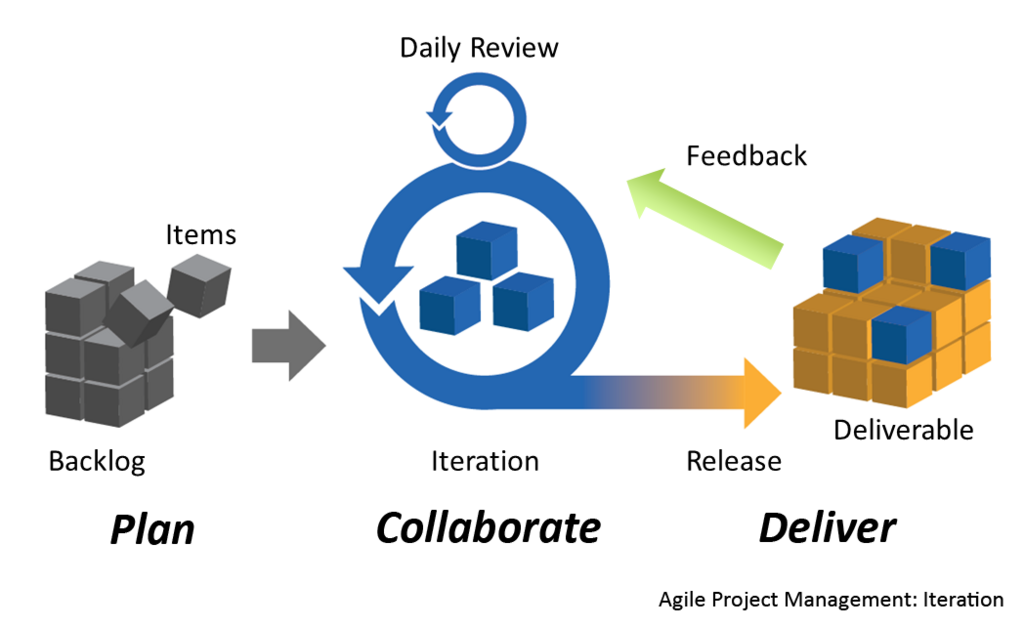
Plan: Teams define features and capabilities for the upcoming release. This stage involves managing the project backlog and planning sprints.
Code: Developers write, review, and merge code using version control systems like Git.
Build: The new code is compiled and packaged into a build. This is often where Continuous Integration (CI) begins, automatically building the software every time code is merged.
Test: Automated tests run against the build to check for bugs and ensure quality. This prevents regressions and catches issues early.
Release: If the build passes all tests, it is prepared for deployment. This is the start of Continuous Delivery (CD), where the software is always in a deployable state.
Deploy: The release is deployed to production environments. In a highly mature DevOps culture, this can be fully automated—a practice known as Continuous Deployment.
Operate: The team manages and maintains the software in production, ensuring it runs smoothly.
Monitor: Performance is constantly monitored. The data gathered here provides feedback that flows directly back into the 'Plan' phase for the next cycle, creating a loop of continuous improvement.
Culture is Key
You can't buy a 'DevOps tool' and expect a transformation. The shift is fundamentally about people and process. It requires breaking down silos and fostering a culture of shared responsibility. When a problem occurs in production, it's not an 'Ops problem'—it's the entire team's problem.
This cultural shift encourages several key changes:
Collaboration: Dev and Ops teams work together throughout the entire lifecycle, communicating constantly.
Automation: Repetitive, manual tasks are automated wherever possible. This reduces human error, frees up engineers for more complex work, and increases speed.
Measurement: Teams track metrics on everything from deployment frequency to failure rates. This data-driven approach helps identify bottlenecks and proves the value of improvements.
Sharing: Knowledge is shared openly. Everyone understands the full picture, from initial idea to how the software performs for the end-user.
Adopting DevOps doesn't happen overnight. It's a gradual process of implementing new practices and, more importantly, shifting the organizational mindset toward continuous improvement and shared ownership.
Time to test your knowledge of these core concepts.
What was the primary conflict between traditional Development (Dev) and Operations (Ops) teams that DevOps aims to resolve?
Which statement best defines DevOps?
With this foundation, we can now explore the specific tools and practices that make the DevOps lifecycle possible.