Development Agencies and Grassroots Communication in India
International Development Agencies
Global Development Partners
Many of the world's most complex problems—like fighting disease, improving education, and protecting children—require a global effort. This is where international development agencies come in. These are large organizations, often part of the United Nations system, that work across borders to improve quality of life and create sustainable solutions.
Think of them as global-scale community projects. Instead of focusing on one city or town, they operate in multiple countries, bringing together resources, expertise, and funding to tackle issues that no single nation can solve alone. Let's look at three of the most significant agencies: the World Health Organization (WHO), UNESCO, and UNICEF.
While each of these organizations is part of the broader United Nations family, they have distinct mandates and areas of expertise. Understanding their individual missions is key to seeing how they contribute to global progress.
World Health Organization (WHO)
The World Health Organization is the UN's authority on international public health. Its primary mission is to ensure the highest possible level of health for all people. This is a massive undertaking, covering everything from fighting pandemics to promoting mental well-being and ensuring safe food and water.
Structurally, the WHO is governed by its member states through the World Health Assembly. This assembly sets policies, appoints the Director-General, and approves the budget. The organization works on the ground through a network of regional and country offices, allowing it to tailor its global strategies to local needs.
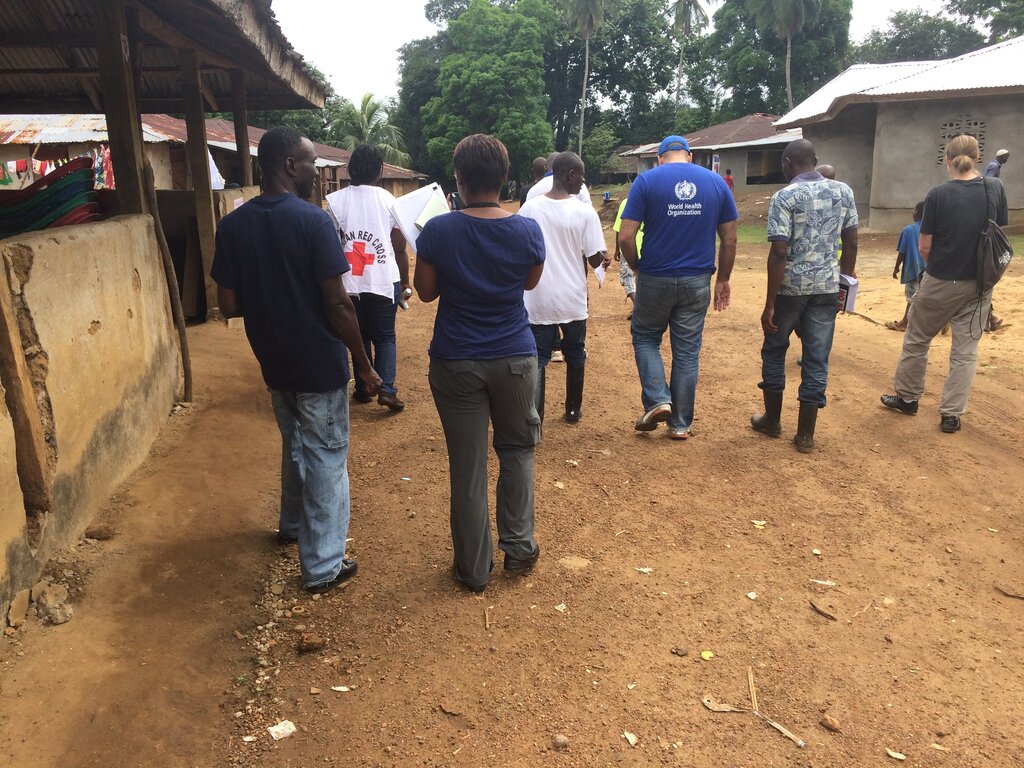
Key WHO functions include setting health standards, monitoring health trends, providing technical support to countries, and leading the response to global health emergencies.
UNESCO
The United Nations Educational, Scientific and Cultural Organization (UNESCO) operates on the principle that peace must be built in the minds of people. Its mission is to foster peace and security through international cooperation in education, science, culture, and communication.
UNESCO is not just about protecting old buildings. It runs programs to promote literacy and quality education for all, supports scientific research to solve problems like water scarcity, and defends freedom of expression. Like the WHO, it has a General Conference of member states that determines its direction and a network of field offices that carry out its work.
Its focus is on building the intellectual and moral solidarity of humanity. By creating connections through shared knowledge and culture, UNESCO aims to prevent conflict and foster mutual understanding.
UNICEF
The United Nations Children's Fund (UNICEF) was created after World War II to provide emergency food and healthcare to children in countries that had been devastated by the war. Today, its mission has expanded, but the core focus remains the same: to advocate for the protection of children's rights, to help meet their basic needs, and to expand their opportunities to reach their full potential.
UNICEF works in over 190 countries and territories. Its functions are incredibly diverse, including providing immunizations, delivering emergency aid during disasters, improving water and sanitation, and working with governments to create protective policies for children.
Unlike the WHO and UNESCO, which are specialized agencies, UNICEF is a fund. This means it relies entirely on voluntary contributions from governments and private donors. Its structure is built around a 36-member Executive Board that establishes policies, approves programs, and oversees budgets. This operational model allows it to be nimble and responsive in crises affecting children.
Ready to check your understanding of these global organizations?
What is the primary purpose of international development agencies like the WHO, UNESCO, and UNICEF?
Which organization's mission is to foster peace by building the 'intellectual and moral solidarity of humanity' through cooperation in education, science, and culture?
These three agencies are pillars of the international development system, each playing a critical role in creating a healthier, more educated, and safer world.