Developing Transportation Management Systems
Introduction to TMS
The Brains of the Operation
Imagine trying to coordinate a dozen pizza deliveries across a busy city on a Friday night. You need to figure out the best routes to avoid traffic, which driver should take which order, and how to make sure every pizza arrives hot and on time. Now, scale that up to a company shipping thousands of products across the country, or even the world, using trucks, trains, and planes. The complexity is enormous.
This is where a Transportation Management System, or TMS, comes in. It's the digital command center for moving goods from one place to another.
A TMS is a software system (or software program) that helps companies manage logistics associated with moving goods physically via air, land, or water.
Think of it as the brain of a company's transportation network. It handles the planning, execution, and optimization of getting goods delivered. As a key part of the larger supply chain, a TMS helps ensure that everything from raw materials to finished products gets to the right place, at the right time, and at the best possible cost.
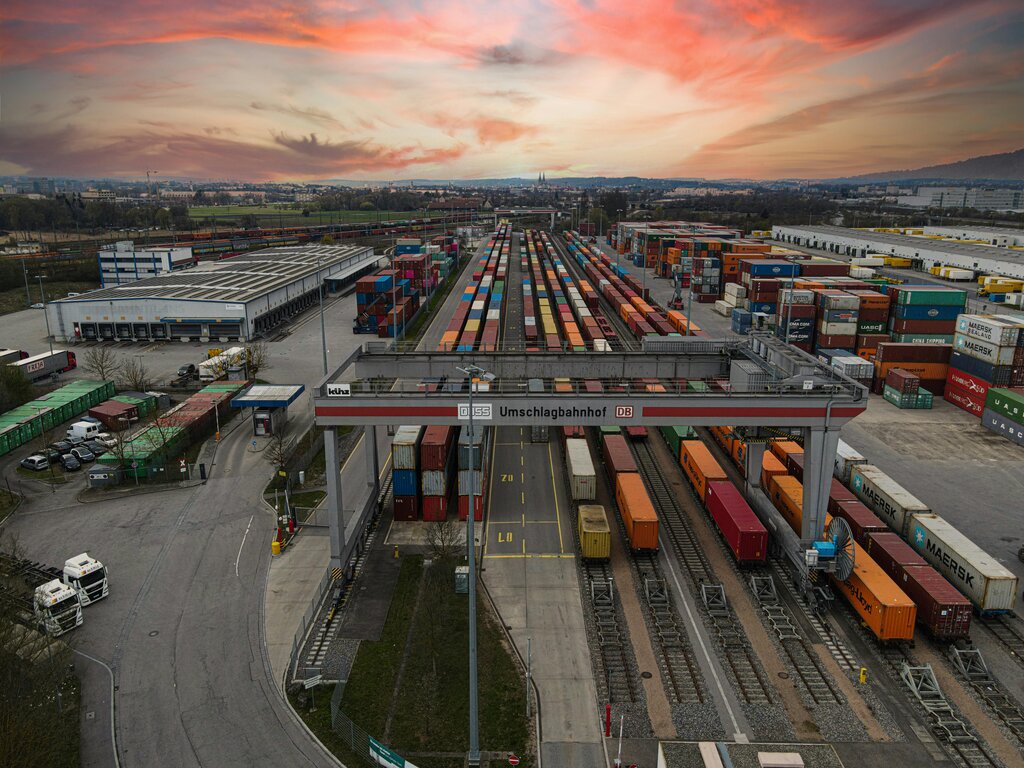
What a TMS Actually Does
A modern TMS is packed with tools designed to solve the daily puzzles of logistics. While features vary, most systems are built around a few core functions that work together to streamline the entire shipping process.
Here’s a breakdown of the key jobs a TMS handles:
| Functionality | What It Does |
|---|---|
| Route Optimization | Finds the most efficient path for deliveries, factoring in distance, traffic, fuel costs, and delivery windows. It's like a sophisticated GPS for an entire fleet. |
| Carrier Selection | Compares different shipping companies (carriers) based on rates, transit times, and performance history to find the best option for each shipment. |
| Freight Audit & Payment | Automatically checks carrier invoices for accuracy, flagging any discrepancies before payment. This prevents overcharges and simplifies accounting. |
| Shipment Tracking | Provides real-time visibility of where a shipment is at any given moment, from the warehouse to the customer's doorstep. |
Real-time tracking gives dispatchers and managers a complete view of fleet activity, allowing them to make quick, informed decisions to avoid delays.
The Payoff
Implementing a TMS isn't just about getting a new piece of software; it's about making the entire transportation process smarter and more efficient. The benefits ripple across the business, impacting everything from the bottom line to customer loyalty.
One of the biggest advantages is cost reduction. By optimizing routes, a company can significantly cut down on fuel expenses. Choosing the most cost-effective carriers for each load and automatically auditing invoices ensures that no money is wasted on inefficient shipping or billing errors.
Efficiency also gets a major boost. A TMS automates many manual tasks, like booking shipments and processing paperwork. This frees up staff to focus on more strategic work and reduces the chance of human error. Faster, more reliable deliveries mean products get where they need to go without unnecessary delays.
Ultimately, these improvements lead to happier customers. When people know exactly when their order will arrive and can trust that it will be on time, it builds confidence and loyalty. A TMS provides the visibility and reliability needed to deliver a great customer experience, which is a powerful competitive advantage.
A cloud-based TMS with advanced analytics and reporting capabilities gives trucking companies the ability to track driver and vehicle performance, optimize fuel consumption, assist with driver schedules, provide dispatcher and driver alerts, forecast delivery times, collect customer feedback, and much more.
By centralizing transportation data, a TMS also helps companies analyze their performance and identify trends, leading to smarter long-term planning.
What is the primary role of a Transportation Management System (TMS) within a supply chain?
How does implementing a TMS primarily lead to cost reduction?
In short, a Transportation Management System transforms logistics from a complex, reactive process into a streamlined, proactive operation. It provides the control and insight needed to navigate the challenges of moving goods in today's fast-paced world.