Developing Advanced Voice AI Agents
Introduction to Voice AI Agents
Meet the Voice Agents
You've probably talked to one today. When you ask your phone for the weather, call your bank's automated line, or tell your car to play a podcast, you're interacting with a voice AI agent. Simply put, it's a piece of software that can understand and respond to human speech.
This is a big deal because it changes how we interact with technology. Instead of typing on a keyboard or tapping a screen, we can just talk. This makes technology more accessible and natural to use. Think of it as the difference between writing a letter and having a conversation. Both get the message across, but one is much faster and more intuitive.
The Magic Behind the Voice
How does a machine actually listen, understand, and talk back? It happens in three main steps, powered by a trio of core technologies.
First, Automatic Speech Recognition (ASR) acts as the agent's ears. It takes the sound waves of your voice and converts them into text that a computer can read. It’s the technology that turns your dictation into a typed message.
Next, Natural Language Processing (NLP) is the brain. Once the words are in text form, NLP figures out what you mean. It analyzes grammar, context, and intent. When you ask, “Will I need an umbrella tomorrow?” NLP understands you’re asking about the rain forecast, not just about umbrellas.
Think of NLP as the difference between hearing words and understanding a story.
Finally, Text-to-Speech (TTS) gives the agent its voice. After the NLP brain has formulated a text-based answer, TTS technology converts that text into audible, human-sounding speech. Early TTS systems sounded robotic, but modern ones can mimic human intonation and emotion with surprising accuracy.
From Sci-Fi to Your Pocket
The idea of talking to machines has been around for decades, but it took a long time for reality to catch up. Early speech recognition systems in the 1950s could only recognize a handful of spoken digits. Over the years, advancements in computing power and data analysis slowly improved their abilities.
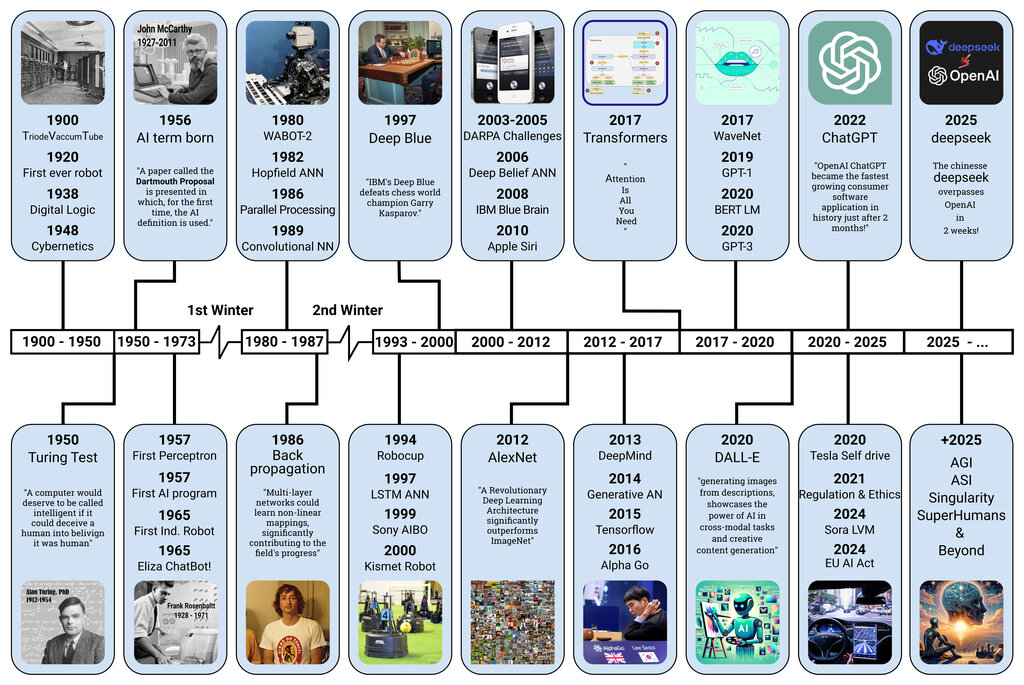
The real turning point came with the rise of machine learning and big data in the 2000s. Suddenly, systems could learn from millions of hours of real human speech. This led to the launch of assistants like Apple's Siri in 2011, followed by Amazon's Alexa and Google Assistant. These weren't just lab experiments; they were useful tools that brought voice AI into millions of homes.
Today, the trend is toward making these interactions even more conversational. AI agents are getting better at understanding context, handling follow-up questions, and even detecting the user's emotional tone. They are becoming less like simple command-takers and more like true assistants.
Voice AI in the Real World
Voice AI agents are more than just a convenience; they are transforming industries.
In customer service, they power intelligent automated phone systems that can answer complex questions, route calls, and even process transactions without needing a human operator. This frees up human agents to handle more challenging issues.
In healthcare, doctors use voice agents to dictate patient notes directly into electronic health records, saving hours of typing. Patients can also use them to get medication reminders or ask for health information.
In finance, voice biometrics can verify your identity over the phone just by the sound of your voice, adding a strong layer of security. You can also perform banking tasks, like checking your balance or transferring money, with a simple voice command.
From simple queries to complex tasks, voice AI is creating a more seamless and efficient way to interact with the digital world. Now, let's see what you've learned.
What is the primary function of a voice AI agent?
Which core technology acts as the 'brain' of a voice AI agent, figuring out the user's intent?
These foundational concepts are the building blocks of the voice-activated technology we use every day.