Develop a Home Value Protection Maintenance Program
Understanding Home Maintenance
Your Home Is an Asset
For most people, a home is the largest purchase they'll ever make. It's more than just a place to live; it's a significant financial investment. Like any investment, its value can grow, but it can also decline if it isn't properly managed. Regular maintenance is the key to protecting this asset.
Think of it as stewardship. Taking care of your property isn't just about fixing things when they break. It’s about a consistent effort to preserve its condition, safety, and worth. Proactive upkeep ensures your home remains a healthy, valuable asset for years to come.
A well-managed maintenance program prevents costly repairs and extends the lifespan of building components.
The Power of Prevention
There are two basic approaches to home care: reactive and preventive. A reactive approach means waiting for something to break before you fix it. The toilet leaks, so you call a plumber. This is often stressful and expensive because emergencies rarely happen at convenient times.
Preventive maintenance is the opposite. It involves regular, planned tasks designed to keep everything in good working order and catch small issues before they become big disasters. It’s like getting a regular check-up at the doctor to stay healthy, rather than waiting until you're sick to seek help. A small bit of caulking around a window today can prevent major water damage and mold growth down the road.
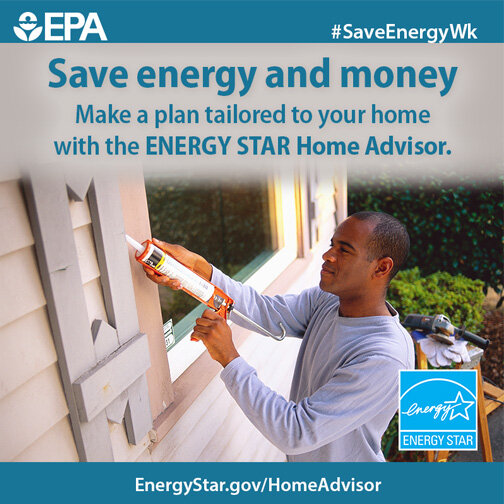
This proactive strategy does more than just save you from surprise repair bills. It extends the life of major home systems. A furnace that is serviced annually will run more efficiently and last years longer than one that is ignored. The same is true for your roof, plumbing, and appliances. Small, consistent efforts protect the essential components that make your house function.
Maintenance and Your Bottom Line
The condition of a home has a direct impact on its value. When it's time to sell, a well-maintained property stands out. Potential buyers see a home that has been cared for, which gives them confidence in their purchase. Peeling paint, a leaky faucet, or a struggling air conditioner can signal neglect and drive down offers.
Even if you aren't planning to sell, maintenance affects your home's appraised value. Appraisers look closely at the physical condition of the property. A home with a newer roof, updated systems, and a solid structure will be valued higher than one with visible signs of deferred maintenance. By investing in upkeep, you are actively building equity and protecting your investment's worth.
Ultimately, a commitment to maintenance is a commitment to the long-term health and value of your property. It provides peace of mind, prevents financial strain from unexpected failures, and ensures your home remains a sound and appreciating asset.