DETR Object Detection Explained
Introduction to Object Detection
What Is Object Detection?
Look at the room around you. You don't just see a collection of colors and shapes. You see distinct things: a chair over there, a laptop on the desk, a cup next to it. Your brain effortlessly identifies what each object is and where it's located. Object detection is the field of computer vision dedicated to teaching computers to do the same thing.
It's a two-part process. First, the computer has to find the location of an object in an image. This is called localization, and it's usually done by drawing a tight rectangular box, called a bounding box, around the item. Second, the computer must identify what the object inside the box is. This is classification.
So, instead of just saying "This image contains a book and a pen" (which is simple classification), an object detection model says, "The book is here and the pen is here," providing specific coordinates for each.
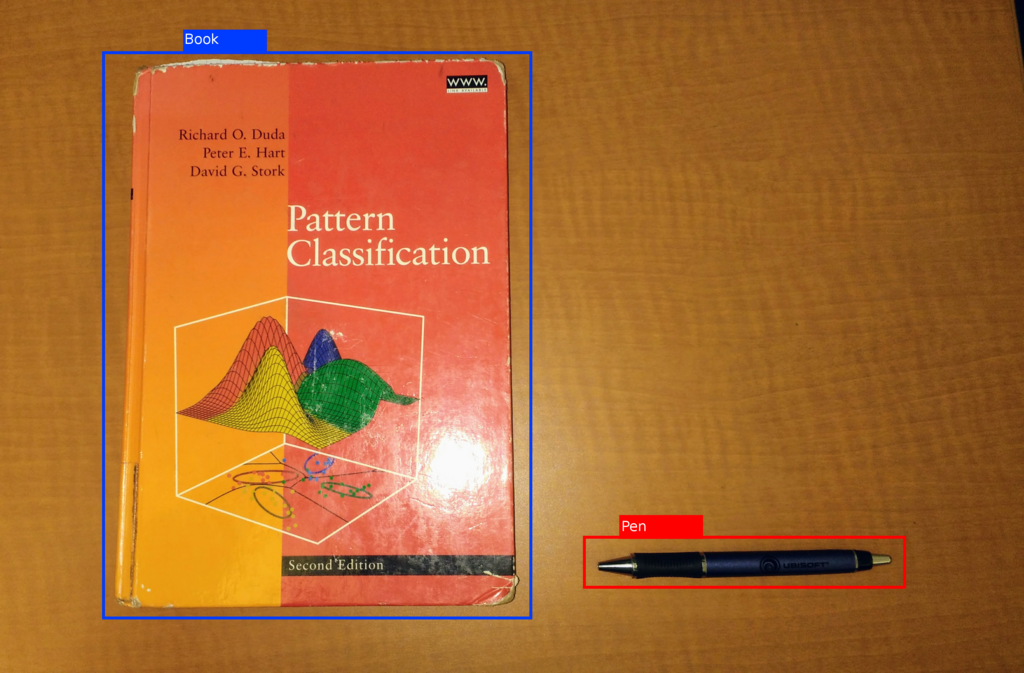
The applications are everywhere. Self-driving cars use object detection to see pedestrians, traffic lights, and other vehicles. In medicine, it helps radiologists spot tumors in X-rays and CT scans. Retail companies use it to automatically track inventory on shelves. It’s a foundational technology for making machines that can intelligently interact with the physical world.
The Classic Approaches
Solving the object detection problem isn't easy. For years, computer scientists developed clever methods to tackle the challenge. These early approaches laid the groundwork for today's advanced systems. Let's look at three influential methods: R-CNN, SSD, and YOLO.
R-CNN, which stands for Region-Based Convolutional Neural Network, was a groundbreaking two-stage approach. It works by first identifying potential areas of interest in an image and then analyzing each one separately.
Think of it like this: First, find all the interesting-looking blobs. Second, for each blob, ask, "What is this?"