Deterministic Workflow Automation Fundamentals
Introduction to Workflow Automation
What Is Workflow Automation?
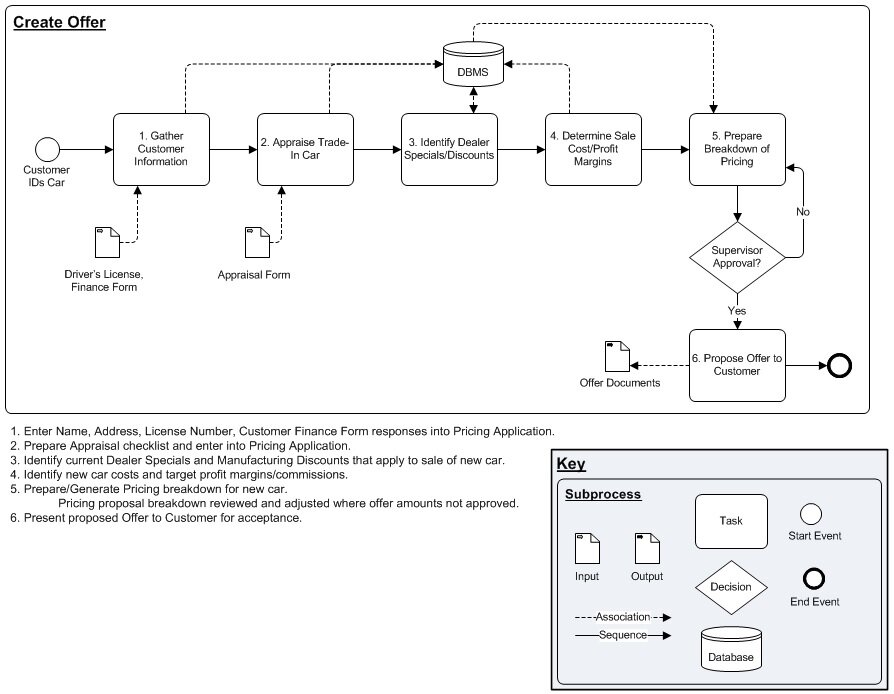
At its core, a workflow is just a series of steps you take to get something done. Think about the process for approving an expense report or onboarding a new employee. Each involves a sequence of tasks, often passing from one person to another.
Workflow automation uses technology to run these sequences automatically, without human intervention at every step.
It’s about teaching a system the rules of a process so it can handle the repetitive work for you.
This doesn't mean removing people from the equation. Instead, it frees them from tedious, manual tasks like data entry, sending reminder emails, or copying information between different applications. This allows teams to focus on more complex, creative, and strategic work that requires a human touch.
Workflows automate either specific parts of or an entire business process to increase productivity and eliminate repetitive tasks.
The Payoff
Automating workflows brings several key benefits to any organization. First, it boosts productivity. Tasks that once took hours of manual effort can be completed in seconds, allowing teams to accomplish more in less time.
Second, it drastically reduces errors. Humans make mistakes, especially when performing the same boring task over and over. A well-designed automation follows the rules perfectly every time, which improves accuracy and data quality.
Finally, it ensures consistency. An automated process runs the same way every single time, guaranteeing a standardized output. This is crucial for things like customer service, financial reporting, and quality control, where consistency is key to building trust and maintaining standards.
Automation in Action
Workflow automation isn't a futuristic concept; it's already used across many industries to handle routine operations. The applications are diverse, but they all share a common goal: making processes more efficient.
| Industry | Example of an Automated Workflow |
|---|---|
| Human Resources | When a new employee's profile is created, the system automatically sends them onboarding documents, creates their user accounts, and schedules their first-week orientation. |
| Marketing | A user signs up for a newsletter. An automated workflow sends a welcome email immediately, a follow-up with useful resources three days later, and a special offer after a week. |
| Finance | An automated system scans incoming invoices, extracts key data like vendor name and amount due, and routes them to the correct manager for approval without manual data entry. |
| Customer Support | A customer submits a support ticket online. The system automatically categorizes the ticket based on keywords and assigns it to the appropriate support agent's queue. |
Why Predictability Matters
The most successful automation starts with deterministic processes. This is a technical-sounding term for a simple idea: a process where the same input always produces the same, predictable output. The steps are clear, the rules are fixed, and there are no surprises.
Think of it like a recipe. If you follow the exact same steps with the same ingredients in the same amounts, you'll get the same cake every time. Basic workflow automation relies on this principle. It needs a clear set of instructions to follow.
This is why tasks like processing invoices or sending welcome emails are perfect candidates for automation. The rules are straightforward. However, a task that requires subjective judgment, like designing a new logo or writing a strategic plan, is not deterministic. The outcome depends on creativity and interpretation, which makes it unsuitable for this type of simple automation.
By focusing on these predictable, rule-based processes, organizations can build a reliable foundation for automation, ensuring consistent and efficient results.
What is the primary goal of workflow automation?
An automated process guarantees a standardized output every time. This benefit is best described as: