Detecting Media Bias in the News
Understanding Media Bias
What is Media Bias?
News reports often feel like a direct window onto the world. But they aren't just a collection of raw facts. Every news story is constructed by people—journalists, editors, and producers—who make choices about what to report and how to report it.
media bias
noun
The tendency of journalists and news organizations to select, frame, and present stories in a way that aligns with a particular perspective or point of view.
This doesn't necessarily mean anyone is trying to be dishonest. Bias can be unconscious, stemming from a journalist's personal experiences, cultural background, or the editorial stance of their organization. Think of it like two people describing the same party. One might focus on the great music and fun conversations, while the other talks about the crowded room and long line for drinks. Neither is lying, but they're painting very different pictures based on what they chose to notice and share.
Media bias can be defined as the bias of journalists and news producers within the mass media in selecting and covering numerous events and stories (Gentzkow et al. 2015).
The Shapes of Bias
Bias isn't always obvious. It often appears in subtle ways that shape the story without stating a direct opinion. The most common forms are what's left out, what's emphasized, and the words used.
Bias by Omission: Sometimes, the biggest influence comes from what a story doesn't say. By leaving out certain facts or perspectives, a report can lead the audience to a specific conclusion. For example, an article about a new factory might celebrate the jobs it creates but omit details about its potential environmental impact.
Another powerful form of bias comes from emphasis. The facts and details that are given the most prominence feel the most important.
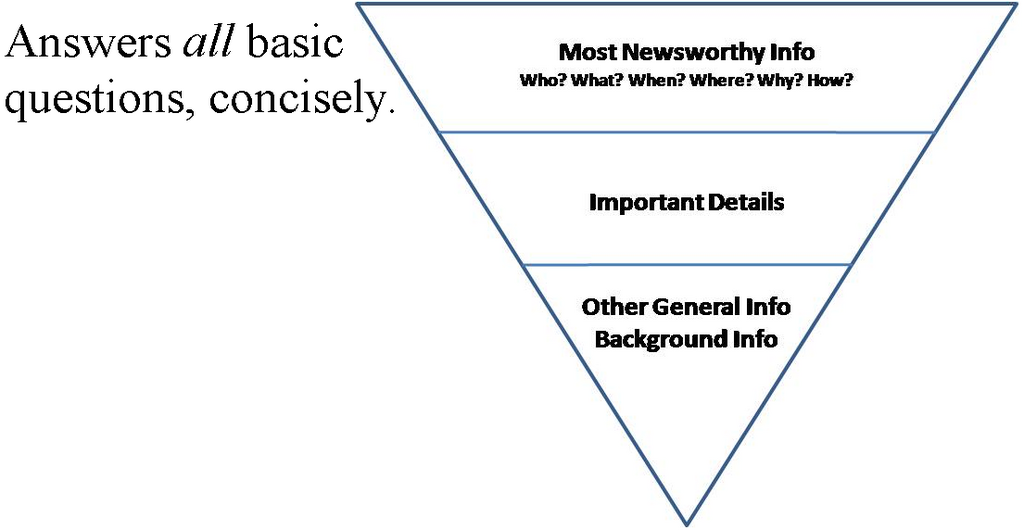
This structure is a useful way to organize information, but it also creates a form of bias. The details a journalist chooses for the top of the story—the headline and the opening paragraph—signal what matters most. A story about a protest could have a headline that says, "Demonstrators Call for Change," or it could say, "Traffic Snarled by Downtown Protest." Both are true, but the emphasis creates a completely different feeling about the event.
Finally, bias can be baked into the language itself. The specific words a writer chooses can subtly guide your feelings about the subject.
| Neutral Term | Positive Spin | Negative Spin |
|---|---|---|
| Advocate | Champion | Zealot |
| Inexpensive | Affordable | Cheap |
| Firm | Principled | Stubborn |
| Acknowledged | Admitted | Confessed |
Describing someone as a "champion" of a cause sounds heroic, while calling them a "zealot" suggests they are extreme and unreasonable. This is bias through language, and it works by coloring the facts with emotion.
Shaping How We See the World
The sum of all these choices—what to omit, what to emphasize, and which words to use—has a real impact on how we understand events, people, and issues. The media doesn't just report on reality; it helps create our perception of it.
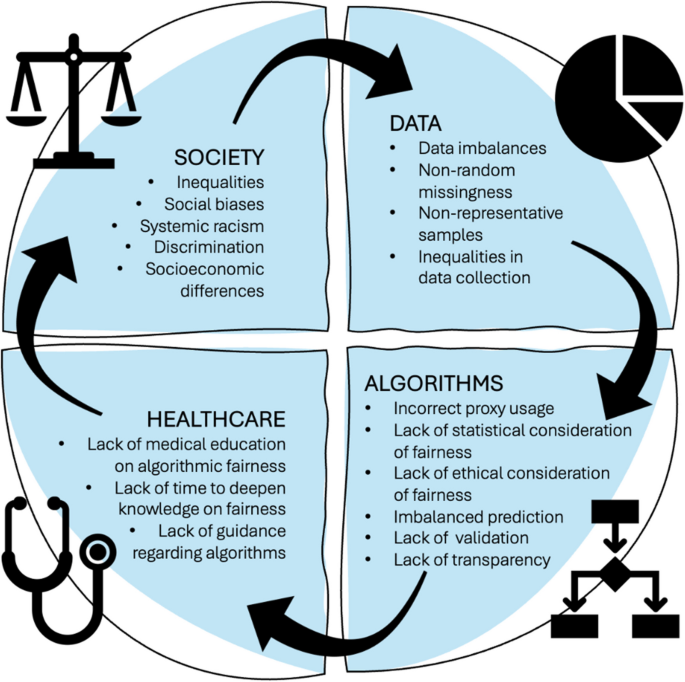
When news coverage consistently frames a certain group in a negative light or ignores their perspective, it can reinforce stereotypes and social divides. If one political solution is always presented as "common sense" while another is described as "radical," it shapes the public's sense of what is possible or acceptable.
Mainstream news organizations shape public perception not only directly through the articles they publish but also through the choices they make about which topics to cover (or ignore) and how to frame the issues they do decide to cover.
Because of this, understanding that bias exists is the first step toward becoming a more critical and informed news consumer. It allows you to see that every story is just one version of the truth, put together by people making subjective choices.