Detecting Fallacies in Political Debates
Introduction to Logical Fallacies
Spotting Flawed Arguments
Have you ever listened to a debate and felt that something was off, even if you couldn't put your finger on it? An argument might sound persuasive on the surface, but a closer look reveals a crack in its foundation. These cracks are known as logical fallacies.
A logical fallacy is an error in reasoning that makes an argument invalid. It's a flaw that weakens the argument or makes it unsound.
Fallacies are everywhere. You can find them in advertisements, political speeches, news articles, and everyday conversations. They can be used intentionally to manipulate or deceive an audience, but they are often used unintentionally out of carelessness or ignorance.
Think of a logical fallacy as a trick or an illusion of thought. Just as a magician uses sleight of hand to fool our eyes, a fallacy uses faulty reasoning to make a weak argument look strong.
Why Does It Matter?
Recognizing logical fallacies is a crucial skill for navigating the world. When we can spot these errors, we protect ourselves from misinformation and manipulation. It allows us to evaluate arguments based on their merits, not their emotional appeal or clever wording.
In a political context, the stakes are even higher. A politician might use a fallacy to stir up fear, attack an opponent unfairly, or oversimplify a complex issue. For example, they might say, "My opponent voted against this bill, so they must not care about our country's safety." This is a flawed argument because it ignores many other valid reasons for voting against a bill.
When voters can't see through these tactics, they might make decisions based on false or misleading information. This can have serious consequences for public policy and society as a whole. Being able to identify fallacies empowers you to ask better questions, demand better evidence, and ultimately, make more informed choices.
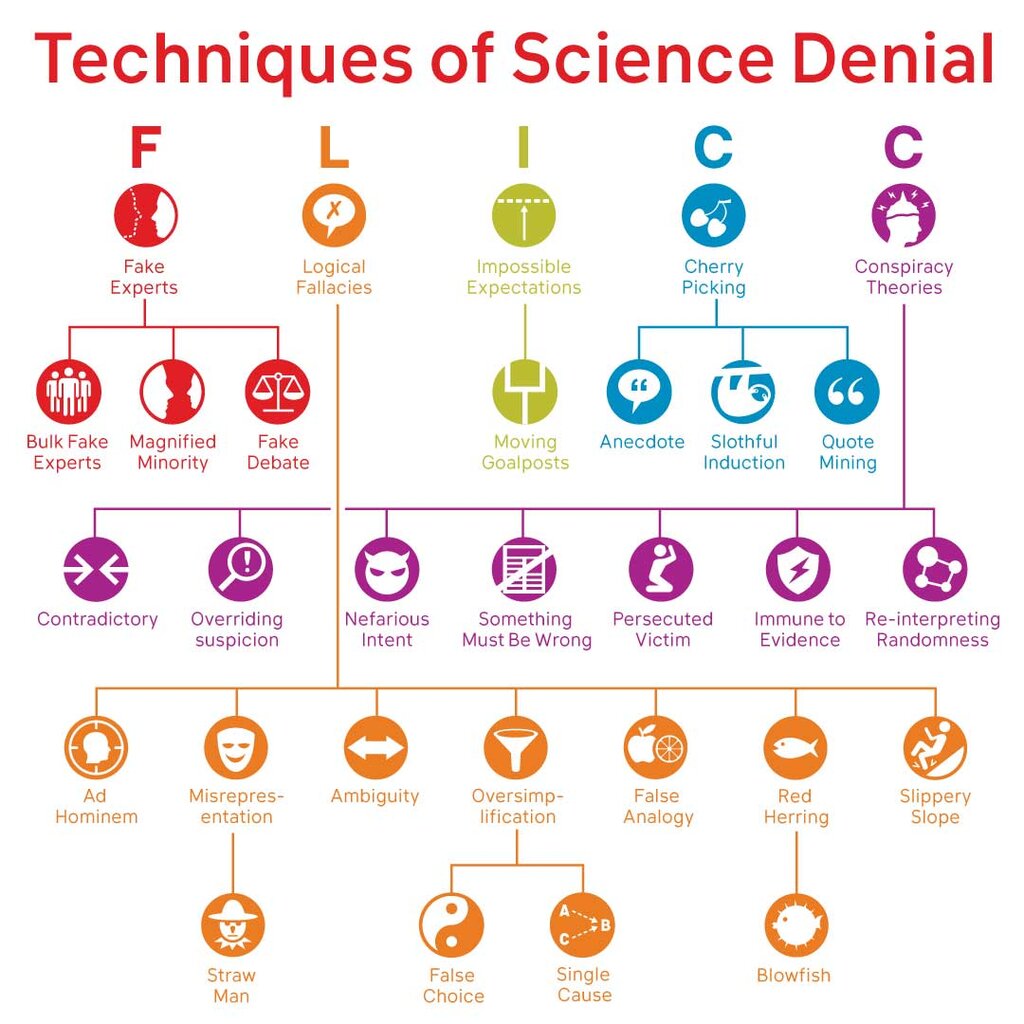
Common Types of Fallacies
There are dozens of types of logical fallacies, each with its own name. While we won't dive deep into them here, let's look at a few simple examples to get a feel for them.
- Ad Hominem: This is Latin for "to the person." It's an argument that attacks the person making a claim instead of addressing the claim itself. For instance, "You can't trust Dr. Smith's medical advice; she's a terrible dresser."
- Straw Man: This fallacy involves misrepresenting someone's argument to make it easier to attack. Someone might argue, "Our city needs to spend more on public parks." A straw man response would be, "So you're saying you want to waste all our money on grass and benches while our roads fall apart?"
- False Dilemma: This presents two options as the only possibilities, when in fact more options exist. A classic example is, "You're either with us, or you're against us."
Understanding these basic patterns is the first step toward becoming a more critical thinker.
Now that you have a basic understanding of what logical fallacies are, let's test your knowledge.
What is the primary function of a logical fallacy in an argument?
A movie critic dismisses a new film by saying, "The director is a known political activist, so you can't trust that his movie has any artistic merit." This is an example of which fallacy?
Learning to spot these flaws in reasoning helps you cut through the noise and focus on what's actually being said, which is a powerful skill in any discussion.