Detecting Crypto Rug Pulls
Introduction to Cryptocurrency
What Is Cryptocurrency?
At its core, a cryptocurrency is digital money. Unlike the dollars or euros in your bank account, it isn't issued or controlled by a central authority like a government or a bank. Instead, it relies on a technology called cryptography to secure transactions and manage the creation of new units.
Think of it as a global, digital cash system that anyone can use, operating outside the traditional financial world.
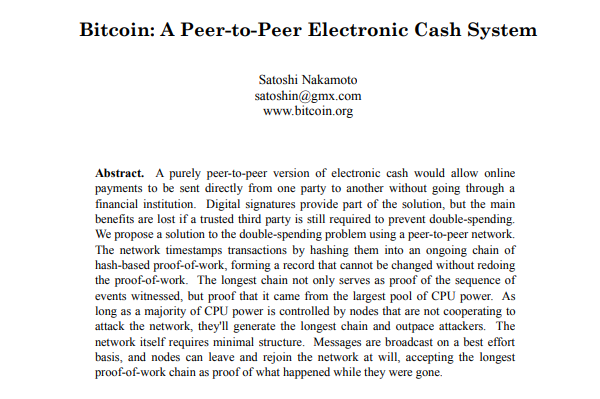
The idea of digital money isn't new, but it took off in 2008. In the midst of a global financial crisis, an anonymous person or group called Satoshi Nakamoto published a paper. It was titled "Bitcoin: A Peer-to-Peer Electronic Cash System."
Nakamoto proposed a system for sending payments directly from one person to another without needing a bank. This system was designed to be transparent, secure, and resistant to censorship. It introduced the world's first successful cryptocurrency: Bitcoin.
The Tech Behind the Coins
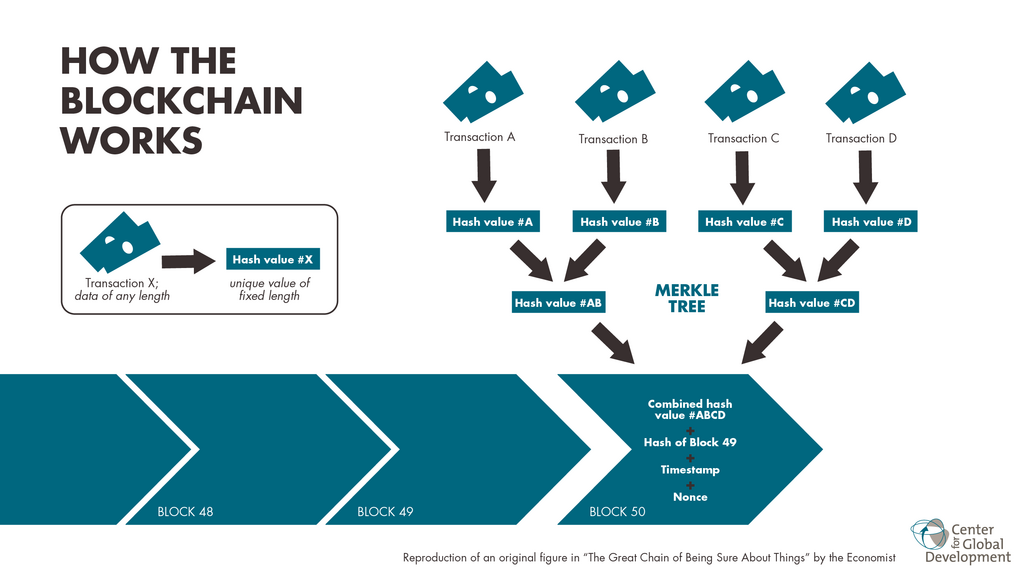
The engine that powers most cryptocurrencies is called blockchain. You can think of it like a public digital notebook that is shared across thousands of computers worldwide. Every transaction is recorded as an entry in this notebook.
Blockchain is the foundational technology on which most cryptocurrencies are built.
When a new batch of transactions is ready, it’s bundled into a “block.” This block is then cryptographically linked, or “chained,” to the previous one, creating a chronological chain of blocks. Once a block is added, it's incredibly difficult to alter. If someone tried to change a transaction in an old block, they would also have to change every single block that came after it, all while the rest of the network continued to build on the original chain. This structure is what makes the ledger secure and tamper-proof.
Creating and Using Crypto
So, where do new coins come from? They are typically created through a process called mining. In systems like Bitcoin's, powerful computers on the network compete to solve a complex mathematical puzzle. The first one to solve it gets to add the next block of transactions to the blockchain and is rewarded with a certain amount of new cryptocurrency. This reward incentivizes people to contribute their computing power to maintain the network.
To use cryptocurrency, you need a digital wallet. This wallet stores the secret keys that prove you own your digital assets and allow you to send and receive them. When you make a transaction, you're essentially broadcasting a message to the network, signed with your private key, that authorizes a transfer of funds to another wallet's address.
This whole process happens peer-to-peer. Your transaction is verified by the network of users, not a central bank, and then added to the shared blockchain ledger for everyone to see.
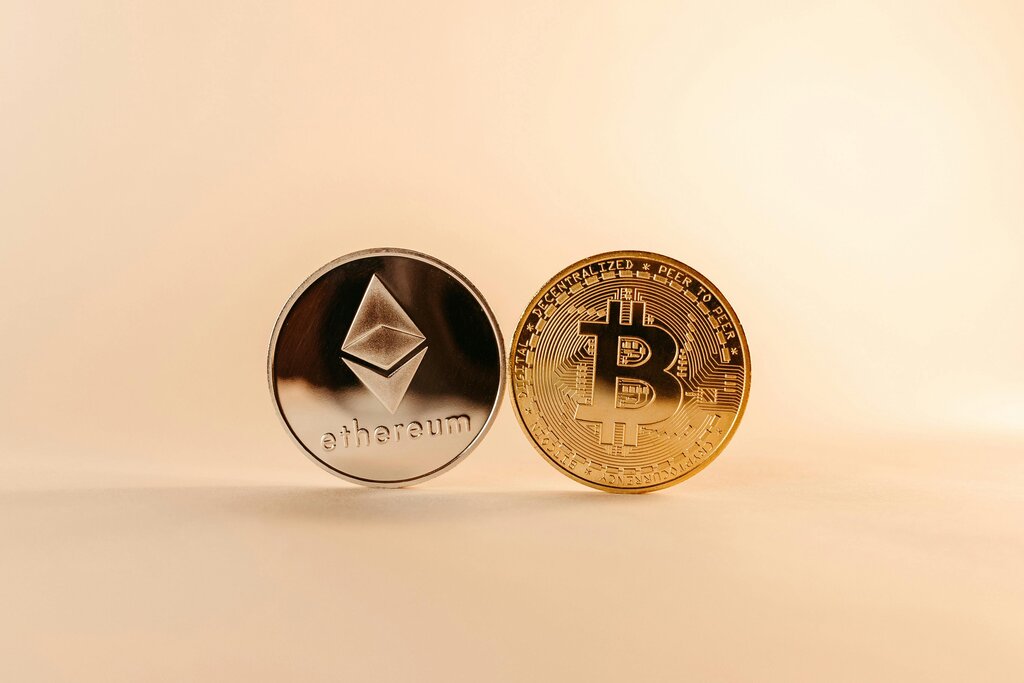
While Bitcoin was the first, thousands of other cryptocurrencies have been created since. Many, like Ethereum, expanded on the original idea. Ethereum introduced smart contracts, which are self-executing contracts with the terms of the agreement written directly into code. This innovation opened the door for applications beyond simple payments, like decentralized finance (DeFi) and non-fungible tokens (NFTs).
Now that you understand the basics of what cryptocurrency is and how it works, let's test your knowledge.