Designing the Future of Indian Elder Care
Policy Frameworks and AB-PMJAY
India's New Healthcare Safety Net for Seniors
In a major policy shift for 2024-2025, India has expanded its flagship health insurance scheme, Ayushman Bharat Pradhan Mantri Jan Arogya Yojana (AB-PMJAY), to cover all citizens aged 70 and above. This move universalises the scheme for the elderly, removing previous income-based restrictions. Every senior citizen is now entitled to a health cover of ₹5 lakh per year for secondary and tertiary care hospitalisation.
This expansion isn't just a financial adjustment; it fundamentally changes the service design landscape for elderly healthcare. The core of this change is the introduction of a 'New Distinct Card' specifically for this 70+ demographic. This card acts as the primary key for accessing services, distinct from the cards issued to families under the original socio-economic criteria.
For service designers, the immediate challenge is integrating this new card into every touchpoint. Think about the journey of a 72-year-old individual. From the initial awareness campaign to enrolment and then to the hospital admission desk, the process must be seamless. The design must account for potential confusion. Many seniors might belong to families already covered by AB-PMJAY, which raises questions about how the new individual cover interacts with existing family floater plans.
The service flow must clearly differentiate between the senior's individual ₹5 lakh cover and any existing family plan, explaining whether the new cover acts as a top-up or a separate policy.
Navigating the System
Many seniors in India are already beneficiaries of other government health schemes, such as the Central Government Health Scheme (CGHS) for public sector employees or the Ex-Servicemen Contributory Health Scheme (ECHS). The universalisation of AB-PMJAY introduces a new layer of choice, and potential confusion.
Designing clear, accessible decision-making tools is paramount. A 75-year-old retired central government employee now has to weigh the benefits of CGHS against AB-PMJAY. While CGHS might offer more comprehensive outpatient care, AB-PMJAY provides a large, cashless hospitalisation cover across a wide network of private hospitals. Service touchpoints, whether digital portals or in-person help desks, must be equipped to guide seniors through these choices without overwhelming them. This could involve simple comparison charts, trained counsellors, or interactive voice response (IVR) systems that outline the key differences based on a user's profile.
The Aadhaar Imperative
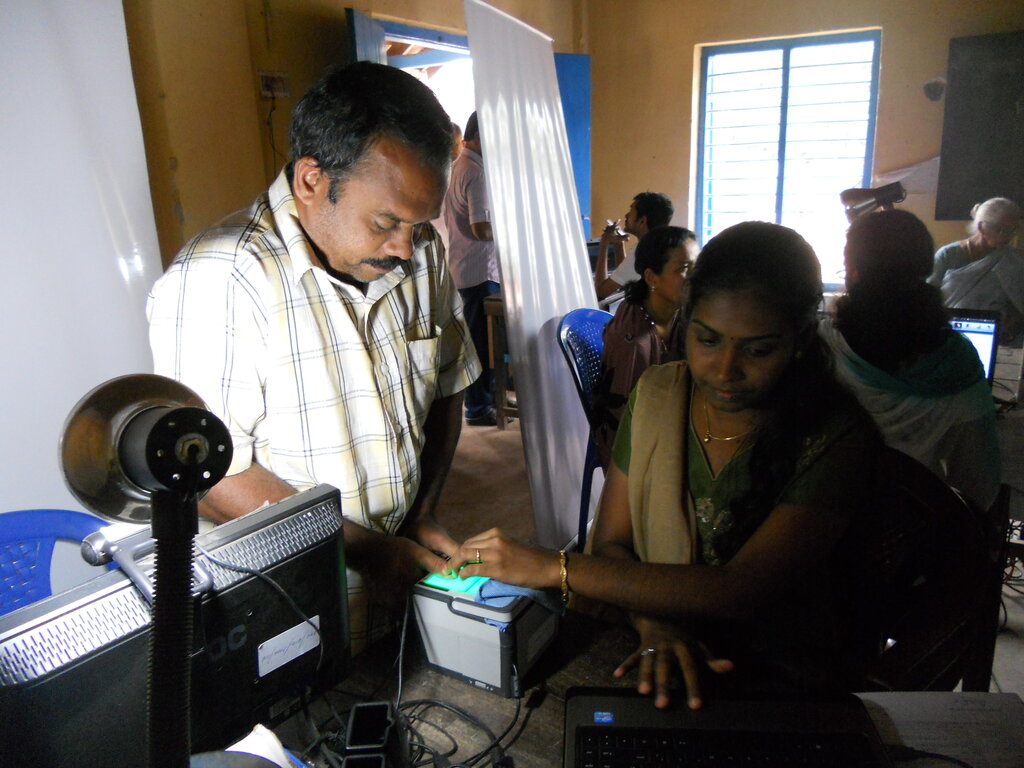
Underpinning the entire enrolment process is the mandatory Aadhaar-based e-KYC (Electronic Know Your Customer). While streamlines verification for the digitally savvy, it can be a significant barrier for the elderly. Issues like faded fingerprints, difficulty with iris scans, or outdated mobile numbers linked to Aadhaar can halt the process.
Service design must therefore include robust, human-centric fallback mechanisms. This means creating assisted enrolment models where trained personnel can help seniors navigate the biometric process. Mobile enrolment camps in accessible community locations, and partnerships with post offices or local banking correspondents, can bring the service closer to those who are less mobile. For cases where biometrics fail repeatedly, there must be a clear, documented alternative path to verification to ensure no one is left behind due to technological hurdles.
Time to check your understanding of the new policy landscape.
What is the most significant change to the Ayushman Bharat Pradhan Mantri Jan Arogya Yojana (AB-PMJAY) for the 2024-2025 period?
Under the new policy, enrolment for citizens over 70 is primarily verified using which mandatory process?
Ultimately, the success of this policy expansion depends not just on the financial provisions, but on a service design that is empathetic, accessible, and anticipates the unique needs of its elderly users.