Designing Sports and Recreation Facilities
Introduction to Sports Facility Design
More Than Just a Field
Designing a great sports facility is about more than just laying down turf or setting up hoops. It's about creating a space where a community can gather, compete, and stay active. At the heart of any successful design are three guiding principles: functionality, inclusivity, and sustainability.
Think of these principles as the three legs of a stool. If one is weak, the entire structure becomes unstable. A facility must work well, welcome everyone, and be built to last.
Functionality is about making sure the space works for its intended purpose. A basketball court needs the right dimensions and flooring, but it also needs good lighting, clear sightlines for spectators, and logical flow for people moving around. A poorly designed facility can be frustrating to use, no matter how nice it looks.
functionality
noun
The quality of being suited to serve a purpose well; practicality.
Inclusivity means designing for everyone. This includes athletes of all abilities, spectators with mobility challenges, families with young children, and people from diverse backgrounds. An inclusive facility feels welcoming and is accessible to every member of the community.
Sustainability involves thinking about the long-term impact of the facility. This means using durable materials, designing for energy efficiency, and considering the environmental footprint. A sustainable facility is not only better for the planet but also more cost-effective to operate over time.
Who Are We Building For?
Before a single line is drawn, the most important question to ask is: "Who will be using this space?" The answer is rarely simple. A community park might need to serve young children on the playground, teenagers playing soccer, and seniors walking for exercise, all at the same time.
Understanding these user needs is the foundation of the entire design process. This requires reaching out and listening to the community. Effective engagement can take many forms, from public meetings and online surveys to workshops with specific user groups like local sports leagues or disability advocates.
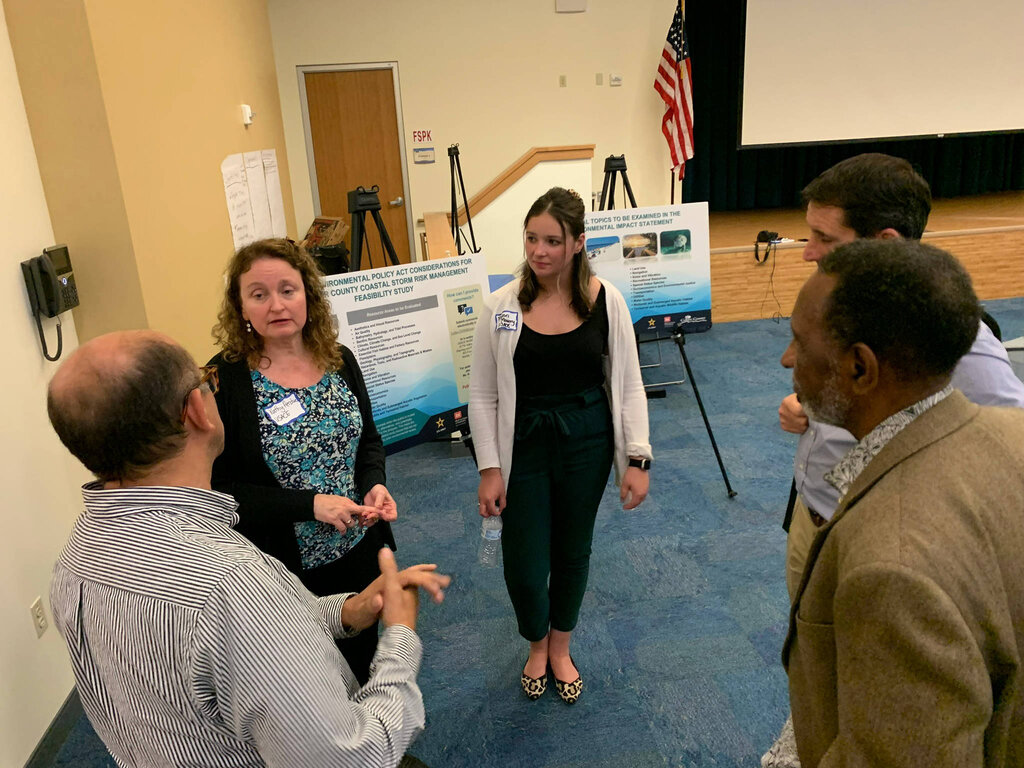
This feedback is invaluable. It helps identify priorities, uncover potential conflicts, and build support for the project. When people feel heard, they become invested in the outcome. A facility designed with the community, not just for the community, has a much greater chance of becoming a beloved and well-used asset.
Playing by the Rules
Every construction project is governed by a web of rules and regulations, and sports facilities are no exception. These standards ensure that buildings are safe, fair, and built correctly. Navigating them is a critical part of the early design phase.
Key regulations include:
- Zoning and Land Use: Local laws that dictate what can be built where. You can't just build a stadium in a residential neighborhood.
- Building Codes: These are rules for construction, covering everything from structural integrity to fire safety and electrical wiring.
- Governing Body Standards: Each sport has its own governing body (like FIFA for soccer or the NBA for basketball) that sets specific rules for field and court dimensions, equipment, and playing surfaces. A facility intended for official competitions must meet these precise standards.
- Environmental Regulations: Rules that protect the natural environment, which can impact site drainage, landscaping, and construction practices.
These requirements aren't just bureaucratic hurdles. They are essential safeguards that protect users, owners, and the public. Understanding them from the beginning prevents costly mistakes and delays down the road.
What are the three core principles that guide the design of a successful sports facility?
According to the text, the most important initial step in the design process is to understand user needs by engaging with the community.
By balancing user needs, regulatory demands, and the core principles of design, a project starts on solid ground, ready for the more detailed planning to come.