Designing a Psychology Module
Introduction to Psychology
What Is Psychology?
Psychology is the scientific study of the mind and behavior. It’s a field dedicated to understanding how people think, feel, act, and interact. This exploration isn’t just about observing what people do; it’s about digging deeper to understand the underlying mental and biological processes that drive those actions.
psychology
noun
The scientific study of the mind and behavior, encompassing mental processes, emotions, and social interactions.
Think of all the questions you might ask about human experience. Why do we dream? How do we learn a new language? What causes stress, and how can we manage it? Why do we connect with some people but not others? These are all questions that psychology seeks to answer. Its scope is vast, ranging from the activity of a single brain cell to the dynamics of large social groups.
A Look Back
Psychology wasn't always a distinct scientific field. For centuries, questions about the mind were explored by philosophers. But in the late 19th century, things started to change. German physician Wilhelm Wundt opened the first experimental psychology laboratory in 1879 at the University of Leipzig. This event is widely considered the birth of psychology as a modern science.
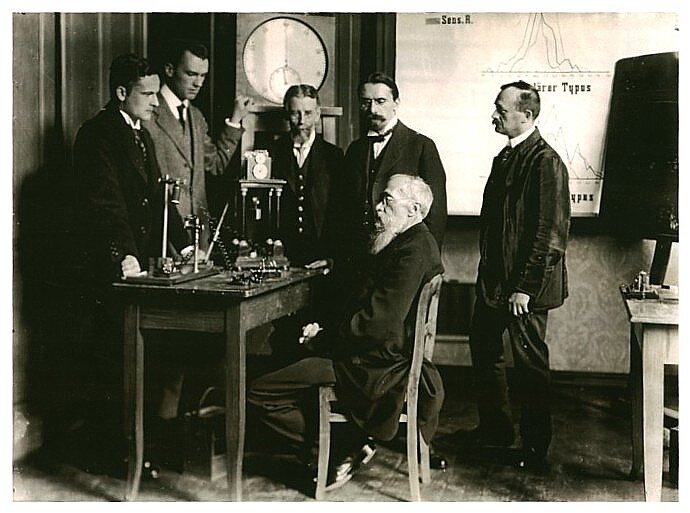
Wundt was interested in breaking down mental processes into their most basic components, a perspective known as structuralism. Around the same time in the United States, William James developed functionalism, which focused more on the purpose of consciousness and behavior. How does the mind allow people to adapt, live, work, and play in their environment?
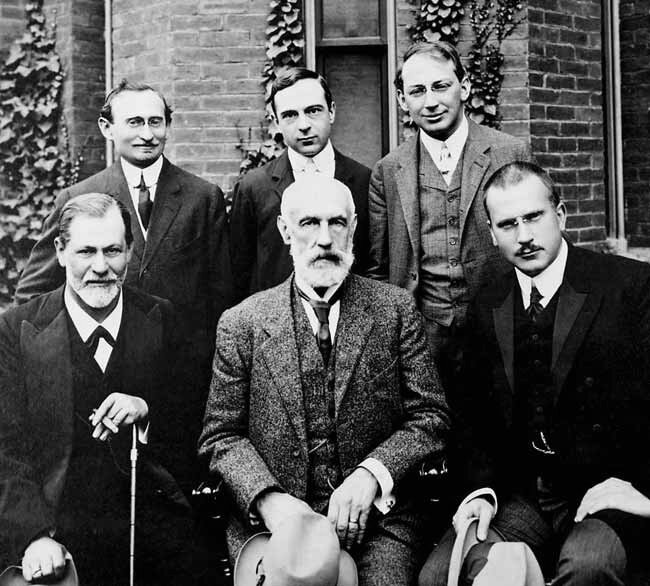
Soon after, other influential figures emerged. Sigmund Freud, an Austrian neurologist, developed psychoanalysis, emphasizing the powerful role of the unconscious mind in shaping our behavior. His work introduced ideas like the id, ego, and superego, and brought a new focus to the importance of early childhood experiences.
Major Ways of Thinking
As psychology grew, different schools of thought, or approaches, emerged. Each offers a unique lens through which to understand human behavior. Think of them as different toolkits for answering psychology's big questions. There are five major approaches that have shaped the field.
| Approach | Primary Focus | Key Idea |
|---|---|---|
| Behavioral | Observable behavior | Behavior is learned through conditioning and reinforcement. |
| Cognitive | Mental processes (thinking, memory) | Thoughts are the primary determinants of emotions and behavior. |
| Psychodynamic | The unconscious mind | Unconscious drives and childhood experiences shape personality. |
| Humanistic | Human potential and free will | People are inherently good and motivated to achieve self-actualization. |
| Biological | Brain, genes, hormones | Behavior has a biological basis in the brain and nervous system. |
For example, imagine a student who is struggling with public speaking.
- A behavioral psychologist might suggest the fear is a learned response and use exposure techniques to unlearn it.
- A cognitive psychologist would focus on the student's negative thoughts ("Everyone will think I'm foolish") and work to reframe them.
- A psychodynamic therapist might explore if an early childhood experience of being criticized created this unconscious fear.
- A humanistic approach would focus on building the student's self-esteem and confidence in their own abilities.
- A biological perspective might investigate if a genetic predisposition to anxiety is at play or look at the physiological stress response (like a racing heart).
None of these approaches is necessarily "right." They simply offer different, and often complementary, ways of understanding the same problem.
Psychology in the Real World
Psychology isn't just an academic subject; its principles are applied everywhere. Clinical psychologists help people with mental health disorders. Industrial-organizational psychologists work in business settings to improve employee productivity and well-being. Forensic psychologists apply psychological principles to legal issues. Educational psychologists study how people learn and help design effective teaching methods. From marketing and product design to sports and public policy, understanding the human mind is critical.
What is the primary focus of psychology?
The establishment of the first experimental psychology laboratory by _______ in 1879 is considered the official start of psychology as a modern science.