Designing a Primary School Curriculum with IB PYP
Introduction to IB PYP
More Than Just Subjects
The International Baccalaureate (IB) Primary Years Programme, or PYP, is an educational framework for children aged 3 to 12. Its mission is to create a better world by developing students who are active, compassionate, and lifelong learners. The focus isn't just on what students know, but on who they become.
The PYP is a dynamic, inquiry-based educational framework designed for students aged 3 to 12.
A central idea in the PYP is international-mindedness. This means encouraging students to understand and appreciate their own cultures and personal histories, while also being open to the perspectives, values, and traditions of other individuals and communities. It's about recognizing our common humanity and shared guardianship of the planet.
The Learner Profile
The goal of the PYP is to develop the whole child, not just their academic skills. The IB Learner Profile is a set of ten attributes that PYP schools nurture in their students. These aren't just buzzwords; they're qualities that help students become responsible members of their local, national, and global communities.
| Attribute | What it means in practice |
|---|---|
| Inquirers | They are curious and enjoy learning. |
| Knowledgeable | They explore concepts and issues that have local and global significance. |
| Thinkers | They use critical and creative thinking skills to solve complex problems. |
| Communicators | They express themselves confidently and creatively in more than one language. |
| Principled | They act with integrity and honesty, with a strong sense of fairness and justice. |
| Open-Minded | They appreciate their own cultures and are open to the perspectives of others. |
| Caring | They show empathy, compassion, and respect. |
| Risk-Takers | They approach uncertainty with forethought and determination. |
| Balanced | They understand the importance of balancing different aspects of their lives. |
| Reflective | They thoughtfully consider the world and their own ideas and experience. |
These traits are woven into every part of the school day, helping students grow into well-rounded individuals.
Learning How to Learn
Instead of asking students to memorize facts and figures, the PYP uses an inquiry-based approach. Learning starts with students' own questions. A teacher might pose a broad question, and students then explore, research, and collaborate to find answers. They learn by doing and discovering, becoming detectives of their own knowledge.
This approach encourages students to take ownership of their learning, develop critical thinking skills, and engage with real-world issues.
The curriculum is also transdisciplinary. This means learning isn't separated into rigid subjects like math, science, and history. Instead, students explore a central theme or idea through the lens of multiple subjects at once. A unit on "How the World Works" might involve scientific experiments, historical research on inventions, and writing stories about cause and effect. This helps students see the connections between different areas of knowledge, just as they exist in the real world.
Taking Charge
A key goal of the PYP is to foster student agency. Agency is the power to take meaningful action and see the results of your decisions. In the classroom, this means students are active partners in their learning. They have a voice and a choice in what and how they learn.
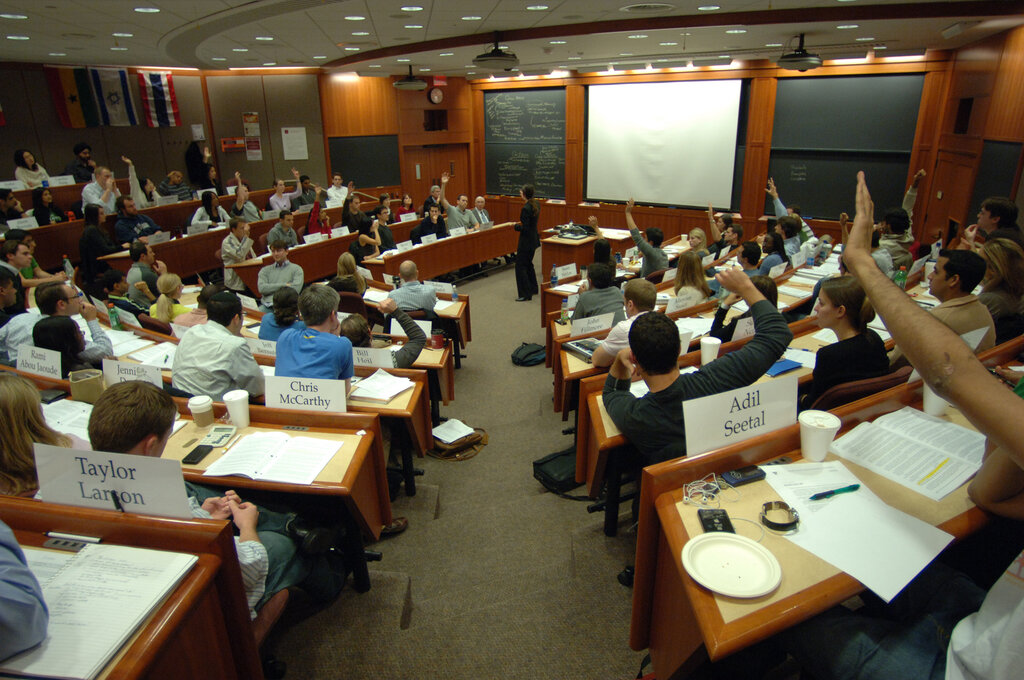
This could be as simple as choosing which book to read for a project or as complex as helping to design a new playground for the school. When students have a say in their education, they are more engaged and motivated.
This ownership builds self-efficacy, which is the belief in one's own ability to succeed. By tackling challenges, making choices, and reflecting on their progress, students learn that they are capable of achieving their goals. They don't just learn about the world; they learn that they can make a difference in it.
What is the primary age range for the IB Primary Years Programme (PYP)?
Which concept best describes the PYP's approach of exploring a central theme through the lens of multiple subjects at once?
The PYP provides a foundation for students to become curious, confident, and caring individuals ready to engage with the world's complexities.