Designing a Custom Housewarming Invitation
Content Structuring
Structuring Your Message
Before any design work begins, the first step is to organise the information. A great invitation isn't just beautiful; it's clear. The goal is to guide your guests' eyes through the details in a logical order. This is called information hierarchy. For a ceremony, this hierarchy follows a traditional and respectful structure.
Let's work with the details we have:
- Hosts: Nilesh, Megha, and Tanvi Kothari
- Date: 25th March
- Time: 11:30 AM
- Venue: The Kothari's new residence in Wagholi, Pune
In an Indian cultural context, the flow of information typically begins with a divine blessing.
Primary and Secondary Details
With the basic structure in place, the next step is to separate your information into two categories: 'Must-Have' and 'Secondary'. This prevents the invitation from feeling cluttered and overwhelming. The must-have details are the absolute essentials. Without them, your guests can't attend.
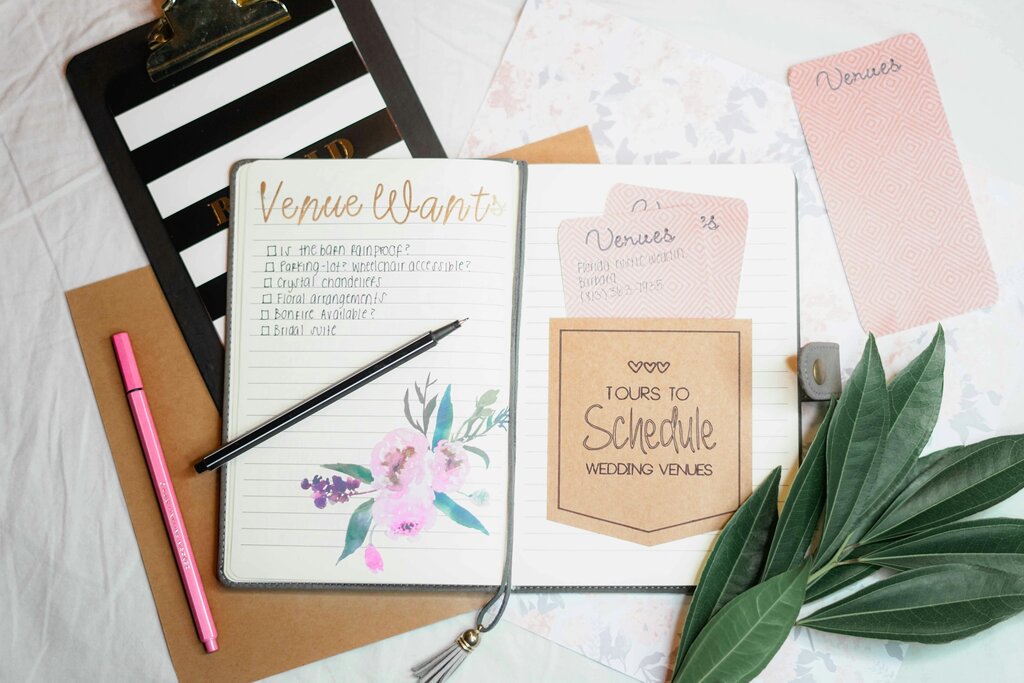
Think of the primary details as the core of your message. These are the non-negotiables: the hosts' names, the event type, the date, the time, and the full address.
Secondary details are helpful additions. They add context and convenience but aren't strictly necessary for attendance. This includes things like RSVP requests, a contact number, directions, or a link to a map. If the family has named their new home, like 'Kothari Villa' or 'Tanvi's Nest', that would also be a wonderful, personal touch to include. It’s often best to place these secondary details in a less prominent position on the invitation.
| Category | Information Type | Examples |
|---|---|---|
| Primary | Must-Have | Host Names, Event (Griha Pravesh), Date, Time, Venue |
| Secondary | Good-to-Have | RSVP by, Contact Person, Map Link, Name of Residence |
Wording and Etiquette
How you present the information matters. For the hosts, it’s customary and warm to include the names of the entire family unit, including children. Listing "Nilesh, Megha, and Tanvi Kothari" feels more personal and celebratory than just one name.
The opening invocation is also a key part of the etiquette. Starting with a phrase like '' sets a spiritual and respectful tone right from the beginning. It signals that this is more than just a party; it's a sacred occasion.
Clarity is kindness. A well-structured invitation respects your guests' time and attention.
For the date and time, be unambiguous. Write out the month to avoid confusion, for example, "25th March" instead of "25/03". Clearly stating "11:30 AM" leaves no room for doubt. By carefully arranging these pieces, you build a foundation for a clear, effective, and heartfelt invitation.
What is the main goal of using information hierarchy when designing an invitation?
In the context of a traditional Indian invitation like a Griha Pravesh, what element should typically appear first?