Design Your Personal Fitness Journey
Understanding Exercise Science
Your Body's Response to Exercise
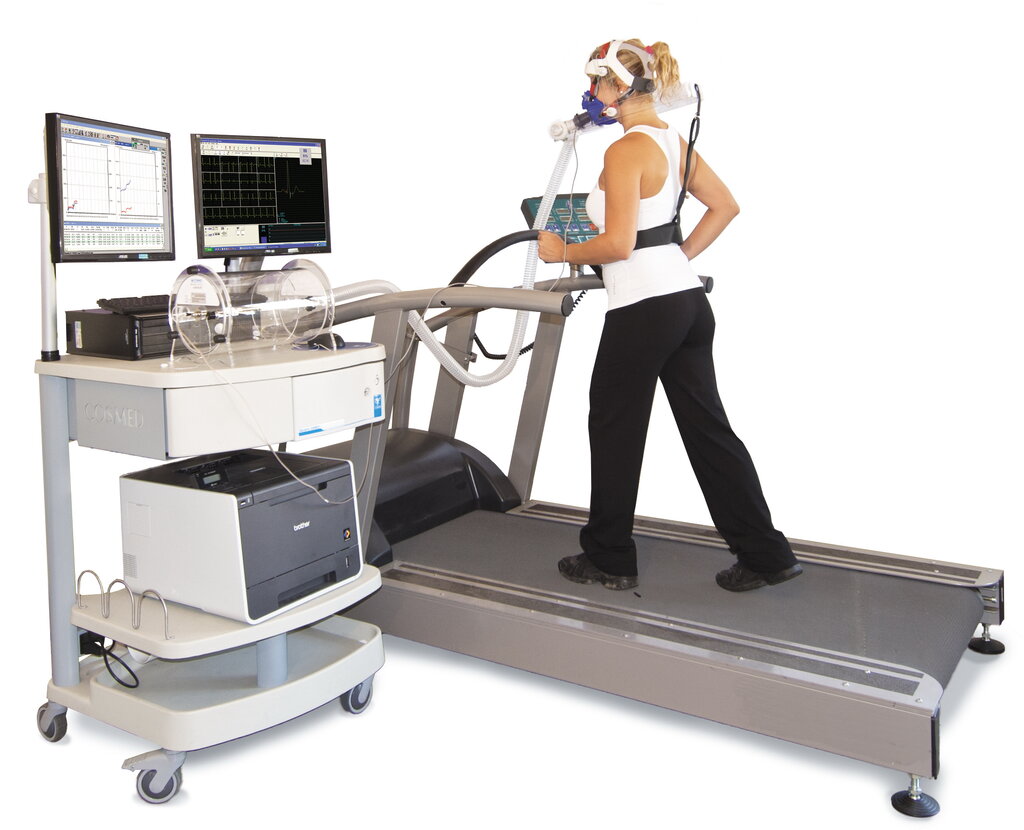
When you start exercising, your body kicks into high gear almost immediately. Your heart beats faster to pump more oxygen-rich blood to your muscles. Your breathing rate increases to bring in more oxygen and get rid of carbon dioxide. This is your body’s way of meeting the new demand for energy.
Think of it as a controlled “fight or flight” response. Your nervous system tells your body to release hormones like adrenaline, which helps unlock stored energy. Your muscles use a molecule called adenosine triphosphate (ATP) for fuel. At first, they use the small amount of ATP they have on hand, but for sustained effort, your body has to quickly make more. It does this by breaking down sugars and fats, a process that requires the extra oxygen you're breathing in.
Getting Stronger Over Time
The real magic of exercise happens after you stop. The physical stress of a workout signals to your body that it needs to adapt. With proper rest and nutrition, your body doesn't just repair itself back to its previous state; it builds itself up a little stronger than before. This is called the principle of adaptation.
Each workout creates tiny tears in your muscle fibers. During recovery, your body repairs these fibers, making them thicker and stronger. Over time, your heart becomes more efficient at pumping blood, and your lungs get better at absorbing oxygen. This process of consistent training followed by recovery is what leads to long-term fitness gains.
Your brain also adapts. When you learn a new movement, like a squat or a tennis swing, your brain forms new neural pathways. With practice, these pathways become more efficient, making the movement feel smoother and more automatic. This is neuroplasticity in action.
Neuroplasticity
noun
The brain's ability to reorganize itself by forming new neural connections throughout life. It allows neurons to compensate for injury and disease and to adjust their activities in response to new situations or to changes in their environment.
The Building Blocks of Fitness
To build a well-rounded fitness plan, it helps to understand the main types of exercise. Each one challenges your body in a different way and contributes to your overall health.
| Type | What it is | Example |
|---|---|---|
| Aerobic | Also known as cardio, this is any activity that raises your heart rate and breathing for a sustained period. It improves heart and lung health. | Brisk walking, swimming, cycling |
| Anaerobic | Involves short, intense bursts of activity. Muscles work so hard they produce energy without using oxygen. It builds muscle and power. | Sprinting, heavy weightlifting |
| Flexibility | Exercises that stretch and lengthen muscles. This helps improve joint range of motion and reduce the risk of injury. | Yoga, static stretching |
| Balance | Activities that help you maintain stability and control of your body. This is crucial for preventing falls, especially as you age. | Tai Chi, standing on one leg |
A balanced routine includes elements from all these categories. You don't need to do all of them every day, but incorporating them into your week ensures you're building a truly resilient and capable body.
More Than Just Muscles
The benefits of regular physical activity go far beyond building muscle or improving endurance. Exercise has a profound impact on nearly every system in your body.
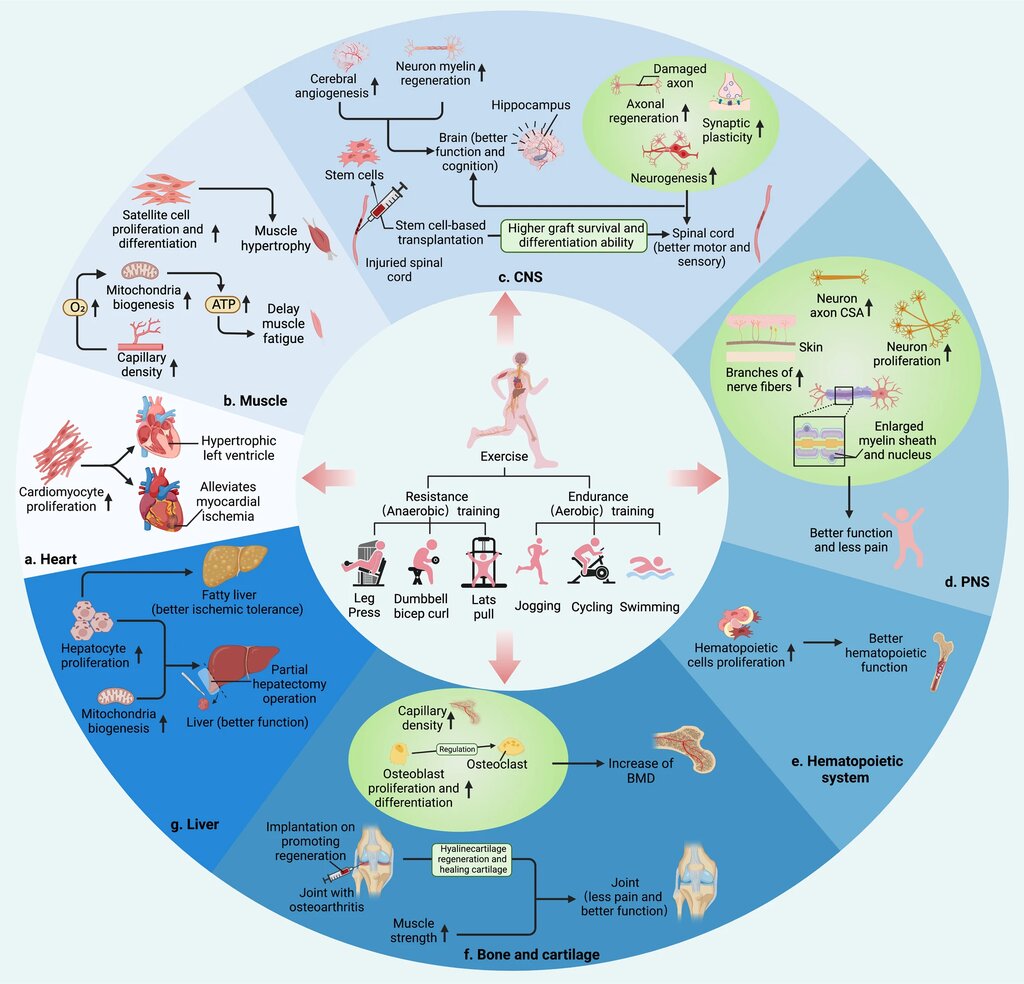
Consistent exercise strengthens your heart, making it more efficient at pumping blood and lowering your risk of heart disease. It helps regulate blood sugar, reducing the risk of type 2 diabetes. It strengthens your bones, boosts your immune system, and improves your sleep quality.
Furthermore, the mental health benefits are significant. Physical activity is a powerful tool for managing stress, reducing symptoms of depression and anxiety, and improving overall mood. Understanding these core principles is the first step toward building a fitness plan that works for you.