Design Your Life
Introduction to Life Design
What is Life Design?
Life design is the practice of applying the creative, problem-solving principles of design thinking to your own life. It's not about finding one single, perfect path forward. Instead, it’s a hands-on approach to building a well-lived, joyful life that works for you.
The concept was popularized by Bill Burnett and Dave Evans at Stanford University. They noticed that brilliant students were often paralyzed by the question, “What do you want to be when you grow up?” The traditional model of career planning felt too rigid and didn't account for life's inevitable twists and turns. So, they adapted the tools product designers use to invent new technology and applied them to a much more personal challenge: designing a life.
Instead of asking what you want to be, Life Design asks what you want to do and who you want to become.
Core Principles
Life design is built on a few key mindsets that shift how you approach big life questions. These aren’t rules, but rather tools to help you get unstuck and explore possibilities.
Curiosity
noun
Approaching your future with an open, exploratory mindset. It's about asking good questions and being interested in where the answers might lead, without judgment.
Bias to Action: Don't just analyze—do something. Build a prototype of a potential future by trying a small experiment, like talking to someone in a job you find interesting or taking a weekend workshop. Action creates data and helps you learn what you actually enjoy.
Reframing: Many people get stuck because they’re trying to solve the wrong problem. Reframing is the skill of changing your perspective. A problem that feels like a dead end might look completely different when you reframe it as an opportunity for growth or a new adventure.
Radical Collaboration: You don’t have to figure it all out on your own. Life design is a collaborative process. By sharing your ideas and challenges with others, you can gain new insights, find support, and get unstuck faster.
By adopting a design mindset, we can navigate through the complexities of life with curiosity, resilience, and a willingness to iterate and adapt.
Beyond a Career Plan
The biggest difference between life design and traditional career planning is its scope. Career planning often focuses narrowly on your professional life, sometimes treating it as a linear climb up a single ladder. It assumes you can plan your next 40 years from the start.
Life design rejects this idea. It's a holistic approach that recognizes you aren't just a worker—you're a whole person. It integrates work with other vital areas of well-being, such as health, relationships (love), and fun (play). The goal is to build a life where these different parts are in harmony, not in conflict.
| Feature | Traditional Planning | Life Design |
|---|---|---|
| Focus | Linear career path | A whole, coherent life |
| Approach | Goal-focused analysis | Process-oriented experimentation |
| Mindset | Finding the one "right" answer | Exploring multiple possibilities |
| Scope | Primarily work and finances | Work, health, play, and love |
A high-paying job is of little value if your health is failing, your relationships are strained, and you have no time for joy. Life design encourages you to look at the big picture and create a balanced portfolio of experiences that bring you energy and fulfillment across all dimensions of your life.
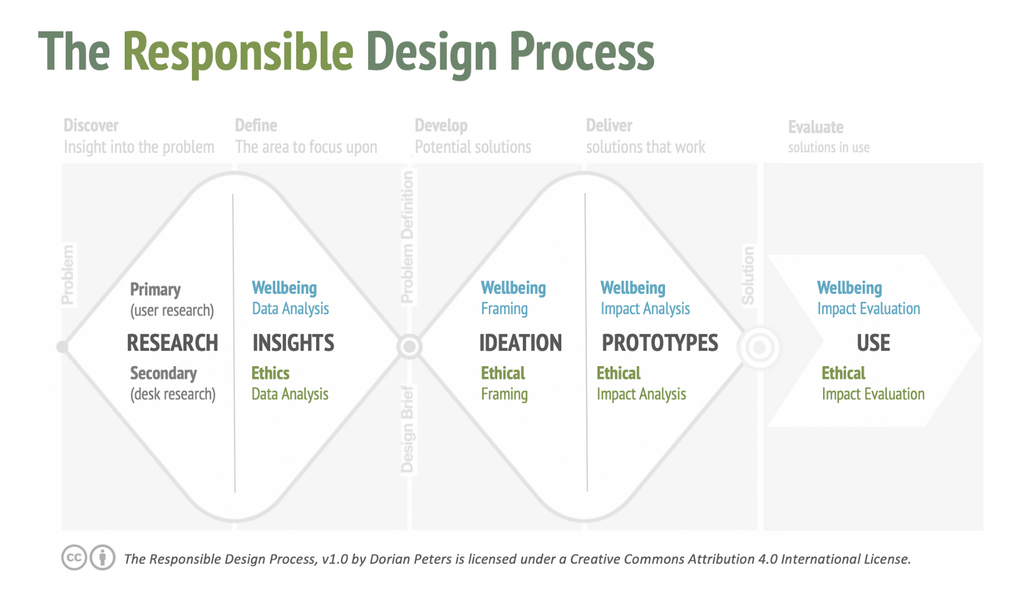
This foundational understanding sets the stage for everything that follows. By embracing curiosity and a bias to action, you can start building a life that is not only successful but also deeply meaningful.