Design Training-to-Income Programs
Understanding Training-to-Income Programs
The Path from Skills to a Paycheck
A traditional four-year degree isn't the only route to a successful career. Many fields need skilled workers right now, and a different kind of education has emerged to meet that demand. These are called Training-to-Income (T2I) programs.
At their core, T2I programs are hyper-focused educational paths. Instead of providing a broad education, they teach the specific, practical skills you need to get a job in a particular industry. The goal is simple and direct: equip you for employment.
The main purpose of a T2I program is to bridge the gap between what employers need and what the workforce can do.
This approach is vital for modern workforce development. For individuals, it offers a faster, often more affordable, path to a stable income and career growth. For employers, it creates a pipeline of qualified candidates ready to contribute from day one. This symbiotic relationship helps build a stronger, more adaptable economy.
These programs are designed to close the skills gap in a sector where demand outpaces supply.
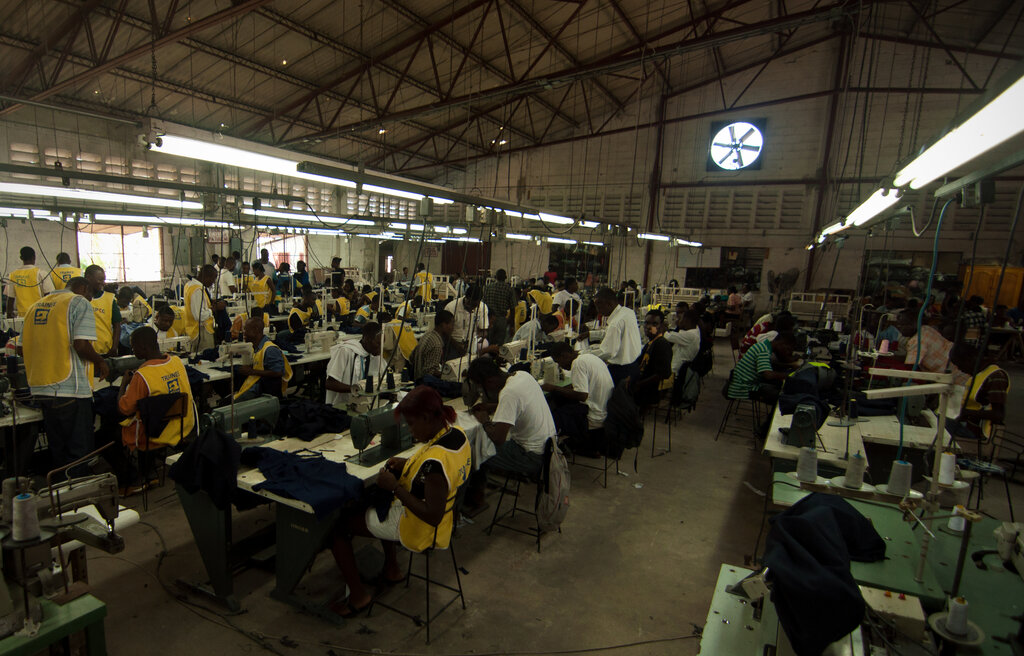
Different Models, One Goal
Training-to-Income programs are not one-size-fits-all. They come in several forms, each tailored to different industries and learning styles. While the methods vary, the objective remains the same: secure a job.
Here are a few common models:
| Program Model | Primary Focus | Typical Duration | Key Feature |
|---|---|---|---|
| Vocational/Trade School | Hands-on skills for specific trades like plumbing, culinary arts, or medical assisting. | 6 months - 2 years | Practical, job-specific instruction in a workshop or lab setting. |
| Apprenticeship | On-the-job training under a skilled mentor, combined with classroom instruction. | 1 - 6 years | Earn while you learn; combines paid work with structured education. |
| Coding Bootcamp | Intensive, short-term training for software development and other tech roles. | 3 - 6 months | A fast-paced, immersive curriculum focused on in-demand programming languages. |
| Corporate Training | Company-sponsored programs to upskill new or existing employees for specific roles. | Varies | Training is directly tied to the needs and processes of a single employer. |
Apprenticeship
noun
A system of training a new generation of practitioners of a trade or profession with on-the-job training and often some accompanying study.
Common Threads
Despite their differences, all T2I programs share a few core features. Their curriculum is relentlessly practical, cutting out extraneous theory to focus on the skills employers are hiring for. They almost always include a hands-on component, whether it's a real-world project, an internship, or direct on-the-job experience. Many programs also have strong industry partnerships, which help align the curriculum with employer needs and provide graduates with networking and job placement opportunities.
Ultimately, their objectives are clear and aligned:
- Skill Mastery: Ensure graduates are proficient in a specific, marketable skill set.
- Employment: Place graduates into jobs in their field of training.
- Career Launchpad: Provide a foundation for long-term career growth and increased earning potential.
Ready to review the key ideas we've covered?
Now, let's test your understanding of these programs.
What is the primary objective of a Training-to-Income (T2I) program?
Which of the following is NOT a core feature of most T2I programs?
By focusing on a direct line from education to employment, T2I programs offer a powerful alternative for building a skilled workforce and launching successful careers.