Design Training-to-Income Programs
Understanding Training-to-Income Programs
From Training to Income
Imagine finishing school but not having the specific skills needed for a job. Or perhaps the industry you worked in for years has changed, leaving your experience outdated. This gap between education and employment is a common challenge. Training-to-Income (T2I) programs are designed to bridge this exact gap.
Training-to-Income
noun
Vocational education programs that provide individuals with specific, in-demand job skills to help them secure sustainable employment and increase their earning potential.
The core idea is simple: provide targeted training for real jobs that exist right now. Instead of broad academic knowledge, T2I focuses on the practical abilities employers are looking for. The goal isn't just to teach a skill, but to place a person in a job where they can earn a stable living. Think of it as building a direct pathway from a classroom to a career.
The purpose of these programs is to directly connect learning with earning, transforming skills into a steady paycheck.
These programs aren't new. Their roots trace back to post-industrial shifts in the 20th century when rapid technological change began to displace workers. Early vocational schools and apprenticeship programs laid the groundwork. Over time, they evolved from simple job training into more holistic models that often include soft skills, financial literacy, and job placement support.
Different Paths, Same Goal
Not all T2I programs look the same. They adapt to the needs of the community and the job market. Some are run by non-profits, others are public-private partnerships, and some are government-led initiatives.
Here are a few common models:
- Sector-Based Training: This approach focuses on a specific industry, like healthcare, manufacturing, or technology. Programs partner with local employers to understand their needs and then design a curriculum to match. Graduates leave with skills that are in high demand in their local area.
- Apprenticeships: A classic model that combines on-the-job training with classroom instruction. An apprentice works for an employer, earning a wage while learning from experienced professionals. It's a powerful way to learn a trade and build a career from the ground up.
- Social Enterprise Models: Some organizations run businesses with the dual mission of generating revenue and providing job training. For example, a catering company might train and employ individuals who have faced barriers to employment, with all profits reinvested into the program.
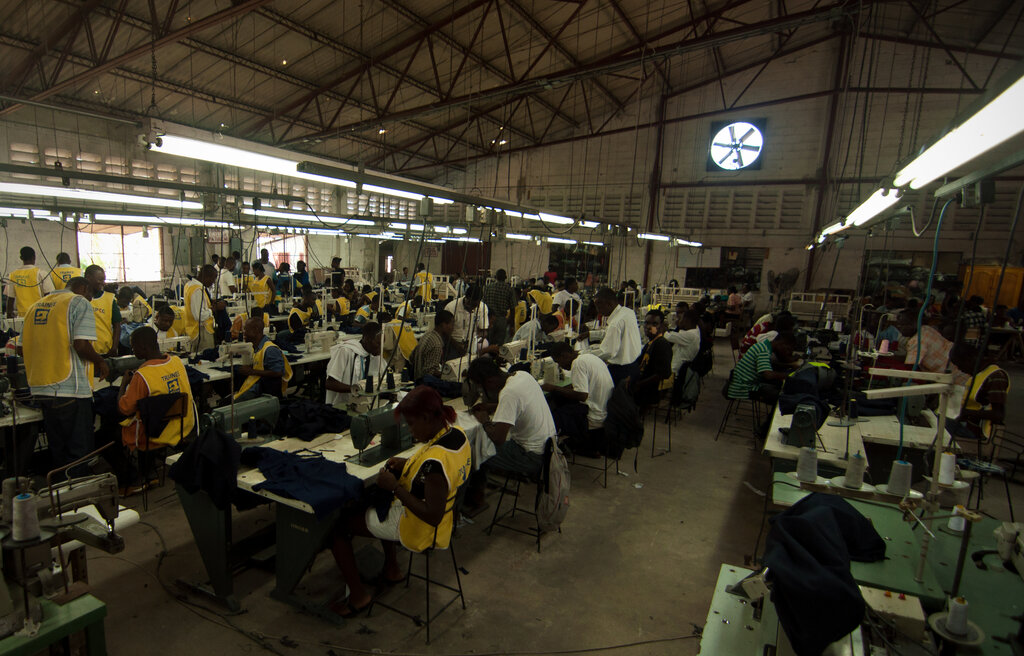
These programs play a vital role in addressing unemployment, especially for marginalized communities. By providing access to skills and a direct link to employers, T2I initiatives can create opportunities for people who might otherwise be left behind, such as at-risk youth, the long-term unemployed, or individuals re-entering society after incarceration.
Investing in training programs helps organizations improve their employees' current job performance, fill skill gaps, and prepare them for future roles, contributing to long-term growth and talent retention.
Pioneers in the Field
To see how T2I works in practice, let's look at two successful, long-running examples.
First is the Opportunities Industrialization Center (OIC). Founded in 1964 by Reverend Leon H. Sullivan in Philadelphia, OIC was created to address the lack of job opportunities for African Americans. Sullivan’s philosophy was “self-help.” The program provided job training for skills that were actually in demand, from clerical work to electronics. It also focused on building self-esteem and a positive attitude. The model was so successful that OIC centers opened across the United States and eventually around the world.
Another key example is YMCA Training, Inc. in Chicago. Started in the early 1980s, this program recognized that many people struggling with unemployment lacked basic office skills. It created a simulated office environment where participants could learn typing, data entry, and professional etiquette. By treating trainees as employees from day one, it builds both hard skills and the confidence needed to succeed in a corporate setting. The program boasts high job placement rates because it trains people for jobs that businesses are actively trying to fill.
These case studies show a common thread: successful T2I programs are deeply connected to the needs of both the job seeker and the employer. They are practical, targeted, and empowering.
Let's test your understanding of Training-to-Income programs.
What is the primary goal of a Training-to-Income (T2I) program?
A non-profit starts a landscaping business that exclusively hires and trains at-risk youth, with all profits being reinvested into the training program. Which T2I model does this best represent?
By creating direct routes to employment, these programs do more than just teach skills—they build careers and strengthen communities.