Deploying LLMs for Your Organization
Introduction to Large Language Models
What Are Large Language Models?
Large Language Models, or LLMs, are a type of artificial intelligence designed to understand and generate human language. Think of them as incredibly advanced predictive text systems. While your phone might guess the next word in your sentence, an LLM can predict the next paragraph, write an entire email, or even create a piece of code based on a simple request.
Large language models (LLMs) are AI systems that understand and create human language, doing tasks like summarizing articles, answering questions, writing code, and more.
These models are trained on vast amounts of text data from the internet, books, articles, and other sources. By analyzing patterns in this data, they learn grammar, facts, reasoning skills, and even different styles of writing. This training process is what allows them to respond to questions and instructions in a way that feels natural and coherent. Their ability to handle a wide range of language-based tasks makes them a cornerstone of modern AI applications.
A Brief History
The journey to today's powerful LLMs has been a long one. Early language models were statistical. They looked at the frequency of words and word pairs (called n-grams) to predict what would come next. While useful, they lacked a deep understanding of context and meaning.
The next big step was the use of neural networks, which are computing systems inspired by the human brain. These models could capture more complex relationships in language. However, a major breakthrough came in 2017 with the invention of the 'transformer' architecture. This new design allowed models to weigh the importance of different words in a sentence, a concept called self-attention. It was a game-changer, enabling models to handle long-term dependencies and grasp context far more effectively.
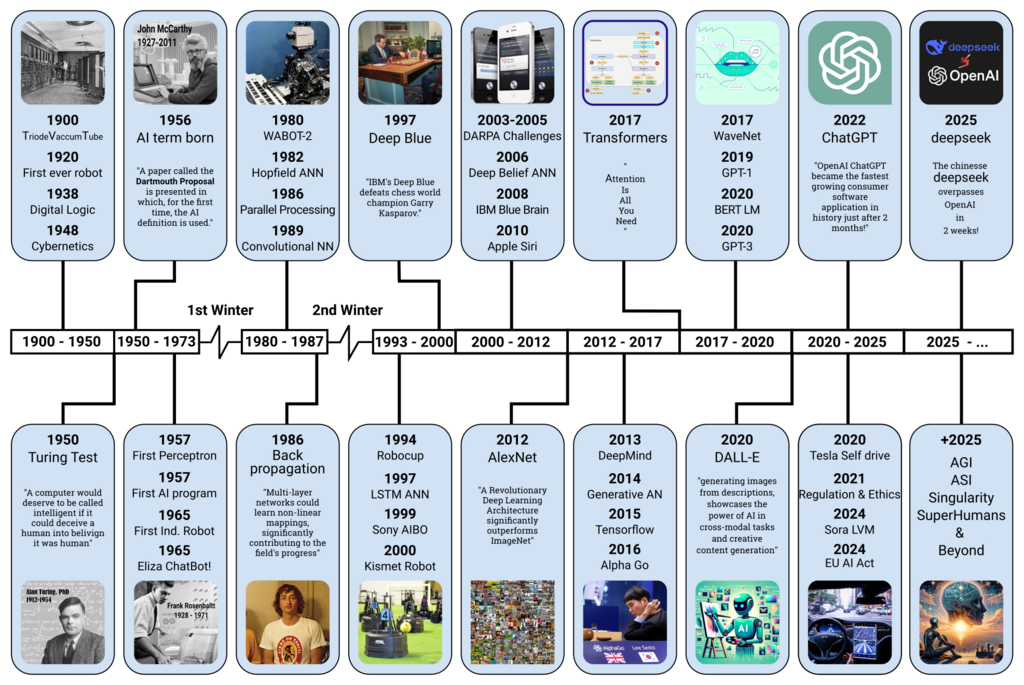
Models like OpenAI's GPT (Generative Pre-trained Transformer) series built on this architecture. Each new version grew in size and capability, culminating in systems that can perform a stunning variety of tasks, from writing poetry to explaining complex scientific concepts.
Key Characteristics
What makes an LLM 'large'? It comes down to a few key factors that work together to create their impressive abilities.
Parameter
noun
A value within a neural network that is adjusted during the training process. Think of parameters as knobs the model turns to fine-tune its understanding and improve its predictions.
The first characteristic is the sheer scale of the model, specifically the number of parameters it contains. Early models had thousands or millions of parameters; modern LLMs have billions or even trillions. This massive scale allows them to capture incredible nuance in language.
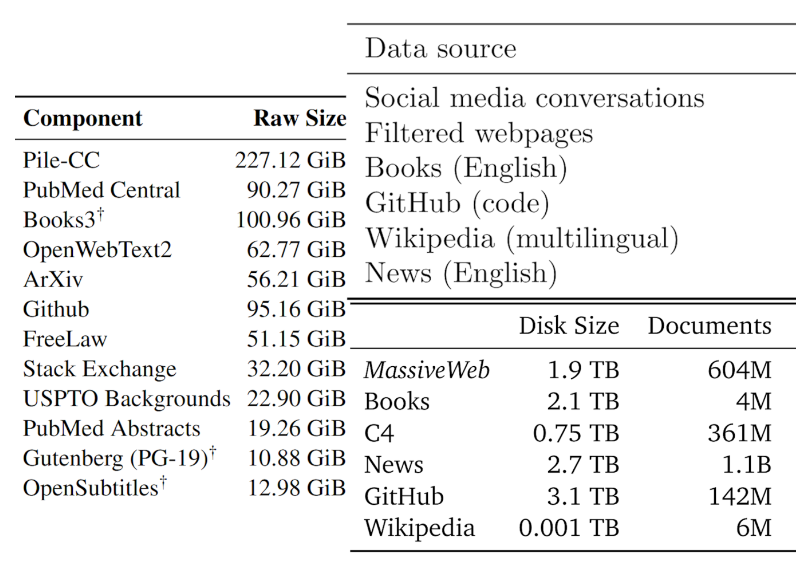
Second is the enormous amount of data they are trained on. An LLM's knowledge comes from ingesting a significant portion of the public internet, digital books, and other text sources. This broad exposure gives them a wide base of knowledge about the world.
Finally, these factors lead to emergent abilities. These are capabilities that weren't explicitly programmed but appear as the model scales up. One key example is in-context learning, where an LLM can learn a new task from just a few examples provided in the prompt, without needing to be retrained.
For example, you could show an LLM two or three examples of a movie summary and its genre, then give it a new summary. It will often correctly identify the genre, having learned the pattern on the fly.
Common Business Uses
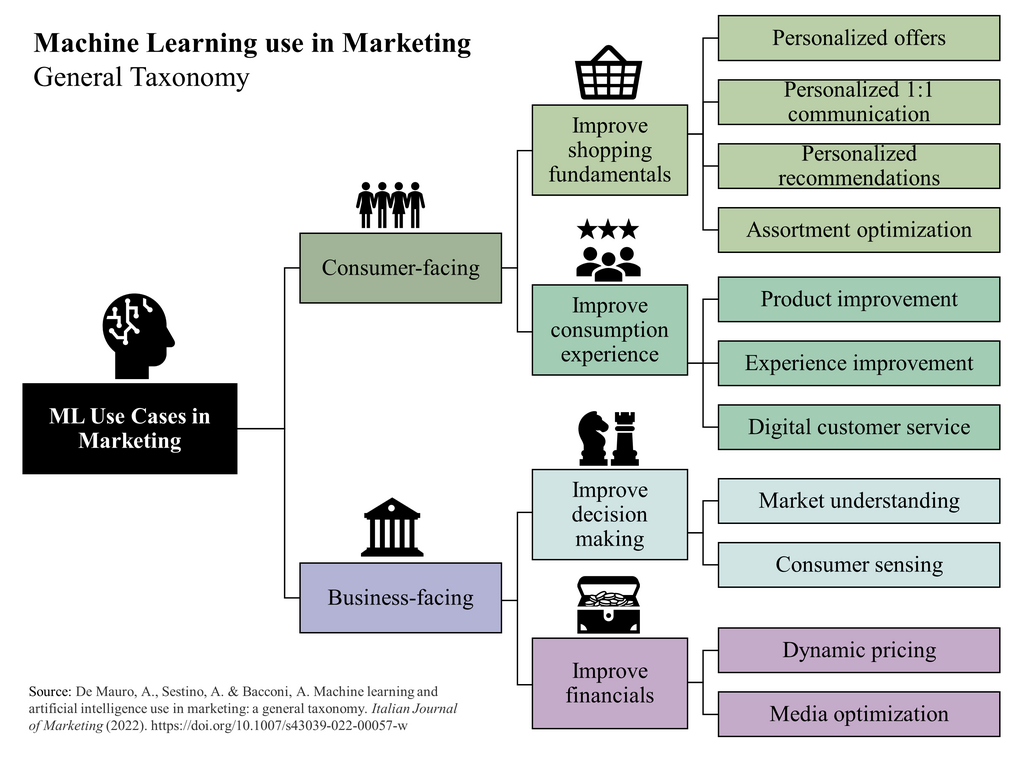
Organizations are rapidly adopting LLMs to improve efficiency and create new products. One of the most common applications is in customer support. LLM-powered chatbots can answer customer questions 24/7, resolve common issues, and free up human agents to handle more complex problems.
Content creation is another major area. LLMs can draft emails, write marketing copy, generate blog posts, and create product descriptions. This can dramatically speed up workflows for marketing and communications teams. They can also summarize long reports, meeting transcripts, and research papers, saving employees valuable time.
In software development, LLMs act as powerful assistants. They can write boilerplate code, suggest bug fixes, explain complex code snippets, and even help with debugging. For data analysts, LLMs can translate natural language questions into SQL queries, making it easier for non-technical staff to retrieve information from databases.
By automating repetitive language tasks and providing powerful tools for information retrieval and content generation, LLMs are becoming an integral part of how modern businesses operate.
What is the primary function of a Large Language Model (LLM)?
The 2017 invention of the 'transformer' architecture was a major breakthrough for language models because it introduced the concept of ______.
This introduction covers the basic identity, history, and application of LLMs, setting the stage for deeper dives into the technology behind them.