Departmental Strategy Development
Understanding Organizational Goals
The Blueprint for Success
Organizational goals are the specific, measurable outcomes a company aims to achieve. Think of them as a blueprint for a building. Without a detailed plan, construction would be chaotic and the final structure unstable. Similarly, without clear goals, a company lacks direction, making it difficult to allocate resources, make decisions, and measure success.
These goals provide a clear target for everyone in the organization to work towards, ensuring that all efforts are aligned and contribute to the company's long-term success.
Vision and Mission: The North Star
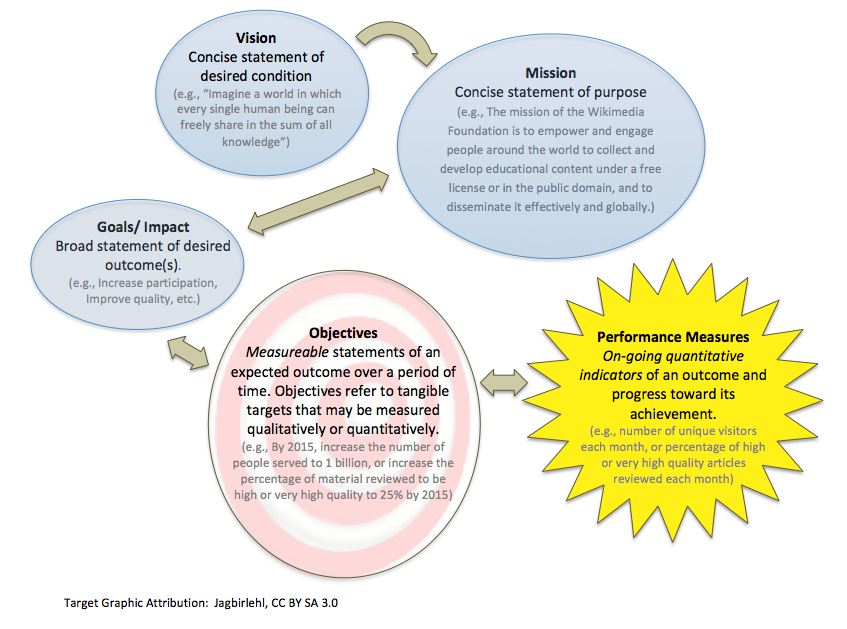
Goals don't appear out of thin air. They are born from a company's core identity, which is defined by its vision and mission statements.
A vision statement is aspirational. It paints a picture of the future the company wants to create. It's the big-picture "why" that inspires and motivates. For example, a tech company's vision might be "to connect everyone in the world seamlessly."
A mission statement is more grounded. It describes what the company does, who it serves, and how it achieves its vision. It's the practical "what" and "how." Following the example, the mission could be "to build reliable and affordable communication devices for a global market."
Organizational goals act as the bridge between this broad mission and the day-to-day work of employees. They break the mission down into achievable steps.
Different Goals for Different Aims
Organizations typically set several types of goals that work together to drive the business forward. While they can vary, most fall into a few key categories.
Financial Goals These are focused on the economic health of the company. They are often the most straightforward to measure and are critical for sustainability and growth.
- Increase annual revenue by 15%.
- Achieve a profit margin of 20%.
- Reduce operational costs by 10%.
Financial targets are essential, but a company that only focuses on money may neglect other crucial areas of its business.
Customer-Focused Goals These goals revolve around serving and satisfying the people who buy the company's products or services. Happy customers lead to loyalty and positive word-of-mouth.
- Achieve a 95% customer satisfaction score.
- Reduce customer response time to under 24 hours.
- Increase customer retention by 20%.
By setting these goals, a company commits to putting its customers at the center of its operations.
Operational Goals These relate to the internal processes and efficiency of the company. Well-defined operational goals ensure that the business runs smoothly, minimizing waste and maximizing quality.
- Improve production efficiency by 5%.
- Reduce product defects to less than 1%.
- Launch three new products in the next fiscal year.
From Company-Wide to Departmental
High-level organizational goals provide the framework for individual departments. Each team then creates its own specific objectives that contribute to the larger company goals.
For example, if the organizational goal is to "Increase annual revenue by 15%," the marketing department's objective might be to "Generate 25% more qualified leads through a new digital campaign." The sales team's objective could be to "Increase the conversion rate of leads to customers by 10%."
This cascade effect ensures that every department, from marketing to finance to human resources, is pulling in the same direction. It transforms a broad corporate ambition into concrete actions that every employee can contribute to.
Let's check your understanding of these core concepts.
What is the primary function of organizational goals?
A vision statement describes what a company does, who it serves, and how it achieves its aims.
Having a clear set of goals is the first step in creating a focused and effective organization. They provide the map that guides every decision and action.